.jpg&width=800)





Swallow-tailed Kite
Elanoides forficatus
The Swallow-tailed Kite is a beautiful bird with long, forked tails and striking black and white feathers. They glide gracefully in the sky and are often seen soaring high above forests and wetlands.
Habitat: Wetlands
The Swallow-tailed Kite has a striking white head and body, with contrasting glossy black flight feathers and a deeply forked tail. Its underwings are also white, making it stand out from other raptors.
Category
BirdsRarity
Common
Danger
1/5 · Very low
Snaps
9
During migration, hundreds of Swallow-tailed Kites can roost together.
Swallow-tailed Kites perform amazing aerial dances during courtship.
These birds decorate their nests with fresh green leaves every day.
They often build their nests over 100 feet high in the tallest trees!
Swallow-tailed Kites can snatch insects, small animals, and even drink water from surfaces while flying, thanks to their agile flight.
Swallow-tailed Kites have a long, deeply forked tail that helps them steer with incredible precision, even in strong winds.
Swallow-tailed Kites can eat their prey completely in flight, using their talons to hold food and their beak to tear pieces.
These agile hunters primarily snatch insects, tree frogs, and small reptiles directly from the air or branches.
Hyla cinerea
A common prey item snatched from vegetation.
Anolis carolinensis
These lizards are often caught from treetops.
Pantala flavescens
A frequently hunted dragonfly for mid-air meals.

Pinus taeda
Tall pine trees are favored for building their nests.
Feathered describes animals, primarily birds, possessing a covering of feathers.
Aerial creatures spend a significant portion of their lives airborne, utilizing flight for various activities such as hunting, migration, or nesting.
Gliding animals move through the air by launching themselves and maintaining flight with specialized body structures, without flapping wings.
This trait identifies organisms whose diet primarily consists of insects and other small invertebrates.

Forest habitats are terrestrial environments dominated by dense tree cover, supporting a high diversity of plant and animal life.

This habitat trait identifies species found in wetlands, which are areas of land saturated with water, either permanently or seasonally, including marshes, swamps, and bogs.

This trait identifies organisms whose diet consists entirely or primarily of animal tissue.

Diurnal animals are primarily active during daylight hours, typically resting or sleeping at night.

Migratory animals undertake seasonal movements from one region to another, typically in response to changes in climate or food availability.

Endangered status indicates a species is at a very high risk of extinction in the wild in the near future.
No aliases listed yet.
Danger
1/5 · Very low
Always watch birds from a distance and do not disturb their nests.
The easiest way to identify Swallow-tailed Kite is to use the Snappit nature identifier app.
50-68 cm
112-136 cm
0.31-0.6 kg
10-15 years
60 km/h
These agile hunters primarily snatch insects, tree frogs, and small reptiles directly from the air or branches.
Wetlands
Zoom in to split clusters and explore where this object has been snapped.

Florida, US
You might spot American Alligator, Brown Anole, and Red-Shouldered Hawk.
View guide →

Florida, US
You might spot Peters's Rock Agama, Brown Anole, and American Alligator.
View guide →

Florida, US
You might spot Anhinga, American Alligator, and Wood Duck.
View guide →
Louisiana, US
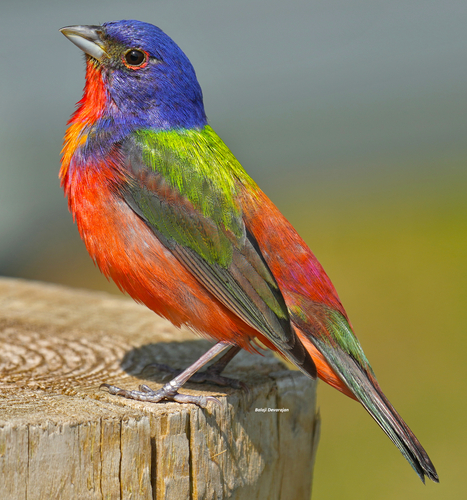
You might spot Painted Bunting, Dwarf Palmetto, and Aquatic Milkweed.
View guide →

Alabama, US
You might spot Eastern Lubber Grasshopper, Christmas Lichen, and Anole.
View guide →

Florida, US
You might spot Peters's Rock Agama, Common Myna, and Brown Anole.
View guide →
Take the discovery with you
Snap it with Snappit to identify it, learn what makes it special, and add the discovery to your collection.




.jpg&width=800)






