





sweetbay magnolia
Magnolia virginiana
The sweetbay magnolia is a lovely tree with big, shiny leaves and beautiful white flowers. It grows near water and smells sweet, making it a favorite for many people and animals.
Habitat: Wetlands
The sweetbay magnolia is a graceful tree with glossy, dark green leaves that are striking silvery-white underneath. Its creamy white, cup-shaped flowers release a sweet, lemony fragrance. Unlike many magnolias, its leaves often persist through winter, providing year-round visual interest.
Category
PlantsRarity
Common
Danger
1/5 · Very low
Snaps
7
Its bright red seeds dangle from cone-like fruits, looking like tiny ornaments!
Magnolias are ancient flowers, evolving even before bees appeared on Earth!
Many birds love to snack on the sweetbay's shiny red seeds in late summer!
The sweetbay magnolia can be either a big shrub or a small tree!
Sweetbay magnolia has fragrant, lemony flowers that act as a powerful beacon, guiding beetles to pollinate them.
Its leaves are silvery underneath, which helps reflect sunlight, keeping the leaves cooler on hot days.
Sweetbay magnolia can grow in wet, swampy soils where many other trees struggle, thanks to its specialized roots.
Cyclocephala borealis
This beetle helps the magnolia make its seeds.
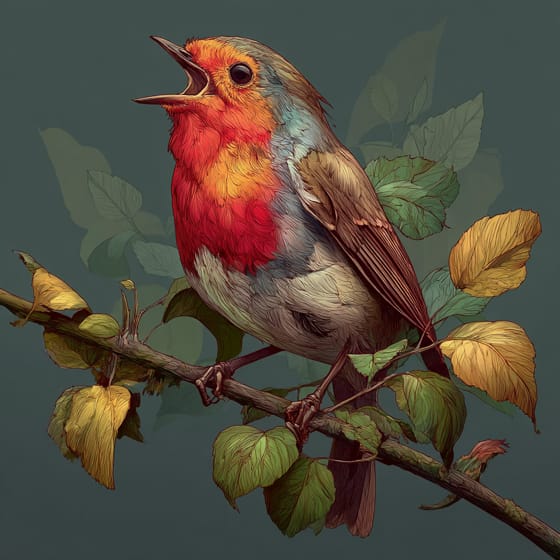
Turdus migratorius
Feasts on its bright red seeds, helping to spread them.
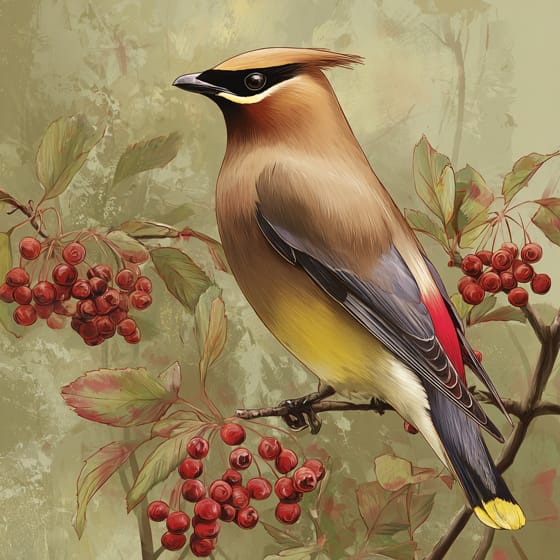
Bombycilla cedrorum
Eats the juicy red seeds in late summer.
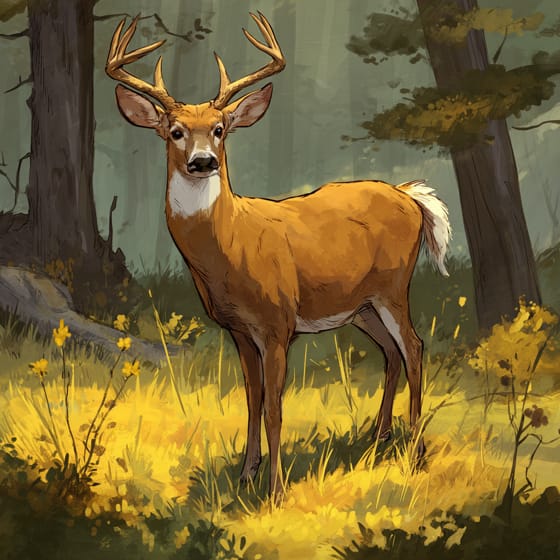
Odocoileus virginianus
Deer sometimes browse on young sweetbay magnolia leaves.
Aromatic plants produce and emit fragrant volatile organic compounds, often for defense or to attract pollinators.
Flowering plants are any plants that produce flowers as part of their reproductive cycle.
Broadleaf trees are angiosperms characterized by flat, wide leaves that are typically shed annually in temperate climates.
Evergreen plants retain their foliage throughout the year, never shedding all their leaves at once.

Fragrant flowers emit a pleasant aroma, often to attract pollinators or for defense.

Describes plants that are particularly attractive and beneficial to a wide range of pollinating organisms.

This trait characterizes organisms with an exceptionally long lifespan compared to others of their kind.

This habitat trait identifies species found in wetlands, which are areas of land saturated with water, either permanently or seasonally, including marshes, swamps, and bogs.
Danger
1/5 · Very low
Stay on paths when exploring near trees and don't climb without an adult.
The easiest way to identify sweetbay magnolia is to use the Snappit nature identifier app.
300-900 cm
200-600 cm
5-8 cm
Late spring to summer
No
None
Perennial
Zoom in to split clusters and explore where this object has been snapped.

Alabama, US
You might spot Eastern Box Turtle, Carolina Wren, and Field Sparrow.
View guide →

Maryland, US
You might spot Common Pawpaw, Zebra Swallowtail, and Bald Eagle.
View guide →

Georgia, US
You might spot Eastern Gray Squirrel, Domestic Cat, and American Robin.
View guide →
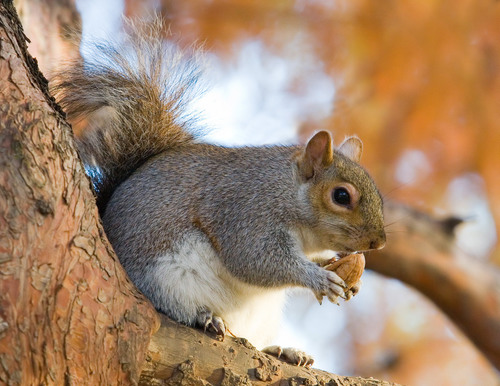
Georgia, US
You might spot Eastern Gray Squirrel, Domestic Cat, and American Robin.
View guide →

Georgia, US
You might spot Eastern Gray Squirrel, Domestic Cat, and Anole.
View guide →

South Carolina, US
You might spot American Alligator, Great Blue Heron, and Anhinga.
View guide →
Take the discovery with you
Snap it with Snappit to identify it, learn what makes it special, and add the discovery to your collection.








.jpg&width=800)

_001.jpg&width=800)


