Texas Brown Tarantula
aphonopelma hentzi
The Texas Brown Tarantula is a large spider that loves to burrow in the ground. These hairy creatures are fascinating to watch as they move around their habitats at night!
Habitat: Grasslands, forests, and burrows in Texas
The Texas Brown Tarantula is a large, hairy arachnid, typically dark brown to black. Its stout body and legs are covered in fine, velvety hairs, giving it a fuzzy appearance distinct from smoother spiders.
Category
InvertebrateRarity
Common
Danger
1/5 · Very low
Snaps
7
A Texas Brown Tarantula cleans itself like a cat, carefully grooming its legs and fangs.
Despite its name, its color can range from dark brown to black, and even reddish.
They taste their food with tiny sensory organs located on their pedipalps, not just their mouths.
This tarantula often lives in an underground burrow, sometimes for many decades!
Texas Brown Tarantula has barbed hairs on its abdomen that helps them defend against predators by irritating skin or eyes.
Texas Brown Tarantula can produce silk to line its burrow, wrap prey, and create egg sacs that helps protect its young.
Texas Brown Tarantula can regrow lost legs through molting because this ability helps them recover from injuries.
This fuzzy hunter loves to munch on crunchy insects and sometimes even tiny vertebrates!
Pepsis formosa
Wasps paralyze tarantulas to lay eggs on them.
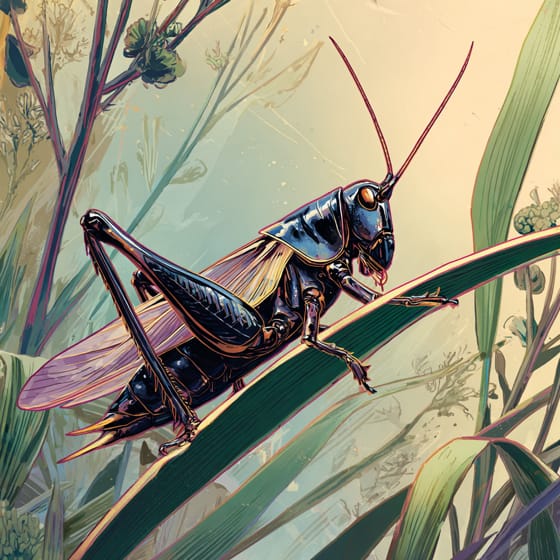
Gryllus assimilis
A common insect often caught and eaten by the tarantula.
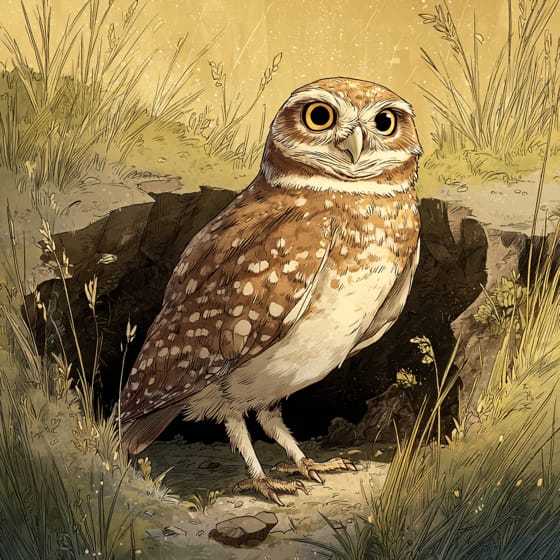
Athene cunicularia
Sometimes preys on wandering tarantulas, especially males.
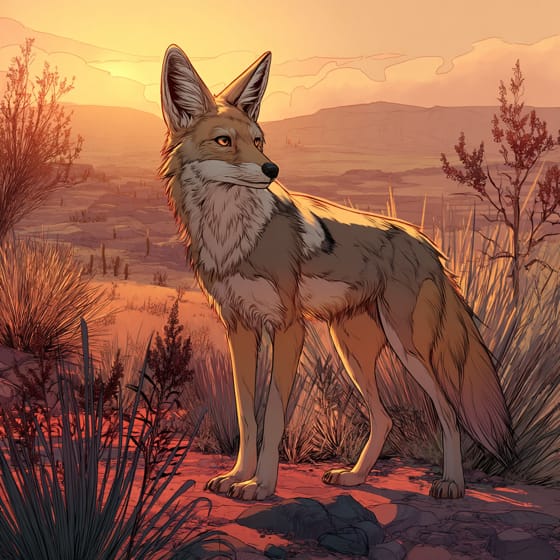
Canis latrans
Mammals can sometimes dig up and eat tarantulas from their burrows.
Solitary animals live alone for most of their lives, only interacting with others for mating or parental care.
Burrowing animals dig tunnels and chambers in the ground, using these subterranean structures for shelter, hunting, or breeding.
This trait identifies organisms whose diet consists entirely or primarily of animal tissue.
Nocturnal animals are primarily active during the nighttime hours, typically resting or sleeping during the day.

Venomous organisms produce toxins that are injected into another animal, typically through a bite or sting.
Danger
1/5 · Very low
Always observe from a distance and do not try to touch wild tarantulas.
The easiest way to identify Texas Brown Tarantula is to use the Snappit nature identifier app.
15 cm
40 g
25 years
This fuzzy hunter loves to munch on crunchy insects and sometimes even tiny vertebrates!
Grasslands, forests, and burrows in Texas
Ambush
750
Zoom in to split clusters and explore where this object has been snapped.

Kansas, US
You might spot Cliff Swallow and Desert Prince's Plume.
View guide →

Oklahoma, US
You might spot Lace Hedgehog Cactus and Star Cloak Fern.
View guide →

New Mexico, US
You might spot Sunflower, Sideoats Grama, and Tree Cholla.
View guide →

Missouri, US
You might spot Giraffes, African Lion, and Tiger.
View guide →
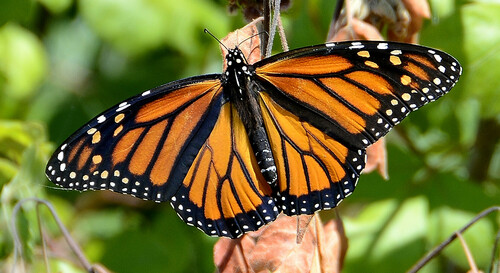
Oklahoma, US
You might spot Monarch, Duck, and American Bumble Bee.
View guide →

Arkansas, US
You might spot Prairie Lizard, Anole, and Canada Goose.
View guide →
Take the discovery with you
Snap it with Snappit to identify it, learn what makes it special, and add the discovery to your collection.