.jpg&width=800)





Texas mountain laurel
Dermatophyllum secundiflorum
The Texas mountain laurel is a beautiful shrub with lovely purple flowers that smell like grape candy! It grows in warm places and is a favorite for butterflies and bees.
Habitat: Mountain regions
The Texas mountain laurel is a small, evergreen tree or large shrub with dark green, leathery leaves. It produces showy, pendulous clusters of fragrant, deep purple-blue flowers that resemble wisteria in early spring.
Category
PlantsRarity
Common
Danger
2/5 · Low
Snaps
4
Ancient Native Americans used its hard, red seeds as beads, despite their toxicity.
Its fragrant purple flowers smell exactly like grape soda or grape bubblegum!
The wood of the Texas mountain laurel is incredibly dense and hard, sinking in water.
Though called a 'laurel,' it's a pea family plant, unrelated to true laurels.
Texas mountain laurel has a deep taproot that helps it reach water deep underground to survive long dry spells.
Its tough, evergreen leaves allow it to photosynthesize year-round, even in winter, maintaining energy production.
Texas mountain laurel can produce toxic compounds in its seeds and leaves that help protect it from hungry animals.
Apis mellifera
Collects nectar and pollen from its flowers.
Bombus pensylvanicus
An important native pollinator for its spring blooms.

Odocoileus virginianus
Deer browse the leaves only when other food is scarce.
.jpg&width=800)
Polioptila caerulea
Uses its dense branches for nesting and protection.
A shrub is a woody plant smaller than a tree, typically with multiple stems branching from or near the ground.
Spring blooming plants produce their flowers during the spring season, often signifying the end of winter and the start of new growth.
This human use trait indicates species from which natural dyes can be extracted and used to color textiles, food, or other materials.
Evergreen plants retain their foliage throughout the year, never shedding all their leaves at once.

Fragrant flowers emit a pleasant aroma, often to attract pollinators or for defense.

Describes plants that are particularly attractive and beneficial to a wide range of pollinating organisms.

This habitat trait identifies species found in mountainous regions, characterized by high elevation, steep slopes, and varying climate zones.

Describes a species whose presence and role have a disproportionately large effect on its environment.

Describes organisms that transfer pollen, enabling the fertilization and reproduction of plants.
Danger
2/5 · Low
Do not eat any part of the plant, as some parts can be harmful.
The easiest way to identify Texas mountain laurel is to use the Snappit nature identifier app.
300-600 cm
200-400 cm
1.5-3 cm
Late winter to early spring
No
High
Perennial
Zoom in to split clusters and explore where this object has been snapped.

Texas, US
You might spot Texas Hedgehog Cactus, Ornate Tree Lizard, and Cactus Wren.
View guide →
Texas, US
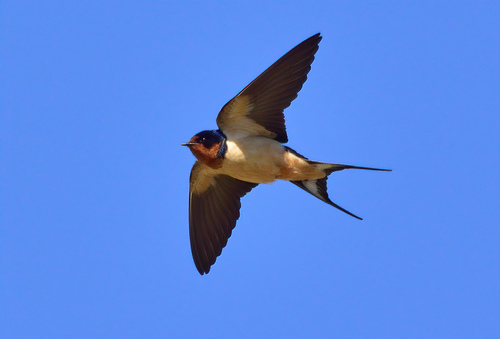
You might spot Barn Swallow, House Sparrow, and Indian Peafowl.
View guide →

Texas, US
You might spot Leonora's Dancer and Ornate Tree Lizard.
View guide →

Texas, US
You might spot Pipevine Swallowtail, Texas Spiny Lizard, and Queen.
View guide →

New Mexico, US
You might spot Texas Rainbow Cactus, Giant Desert Centipede, and Ocotillo.
View guide →
Texas, US
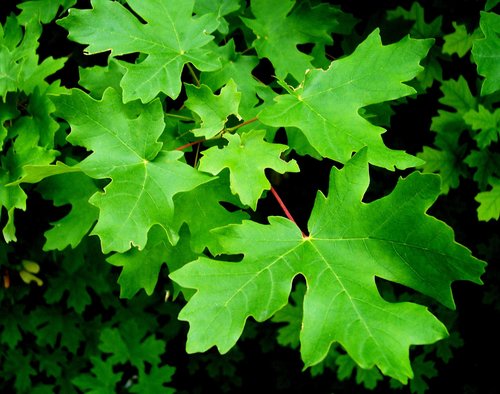
You might spot Bigtooth Maple, Texas Madrone, and Scarlet Leather Flower.
View guide →
Take the discovery with you
Snap it with Snappit to identify it, learn what makes it special, and add the discovery to your collection.









.jpg&width=800)


_001.jpg&width=800)



