





Texas Persimmon
Diospyros texana
The Texas Persimmon is a small tree that grows in warm places. It has shiny leaves and produces sweet, dark fruits that are loved by animals and people alike!
Habitat: Desert
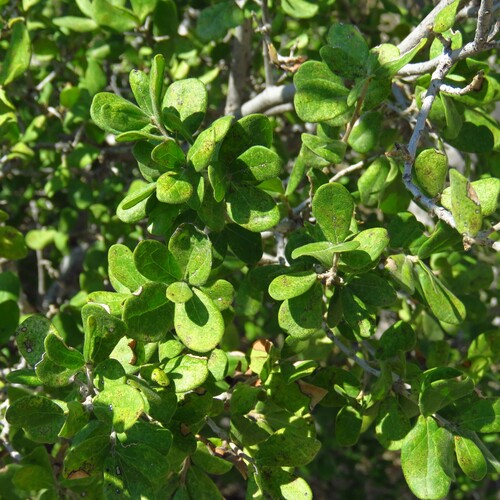
The Texas Persimmon is a small, often multi-trunked tree with distinctive smooth, mottled grey and white bark that peels in patches. Its small, dark green leaves are leathery, and it produces tiny, bell-shaped white or cream flowers, leading to round, black, edible fruits.
Category
PlantsRarity
Common
Danger
1/5 · Very low
Snaps
3
If you taste an unripe green fruit, your mouth will feel like sandpaper!
Its scientific name, Diospyros, translates to 'fruit of the gods' in Greek!
Only female Texas Persimmon trees produce the tasty, dark, round fruits!
The hard, dark heartwood was once prized for making strong tool handles and archery bows.
Texas Persimmon can thrive in dry, rocky soils using deep roots that seek out scarce water, helping it survive harsh conditions.
It has distinctive, smooth, grey bark that peels to reveal lighter layers, helping it shed parasites and sun damage.
The delicious, dark fruits attract animals, which eat them and help disperse its seeds far and wide to grow new trees.
Apis mellifera
collects nectar and pollen from flowers
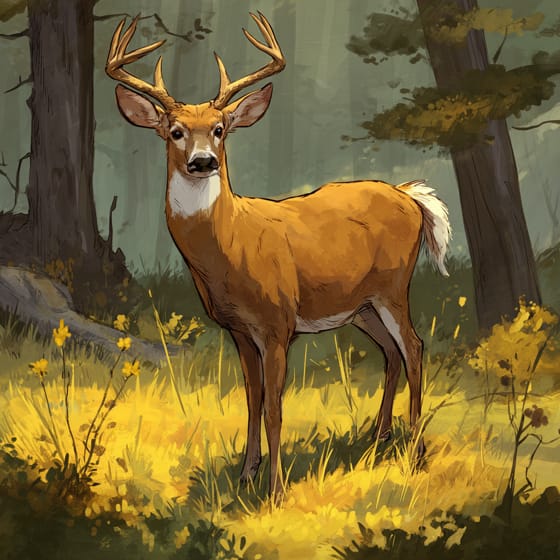
Odocoileus virginianus
browses leaves and tender twigs

Procyon lotor
enjoys the sweet, ripe fruits
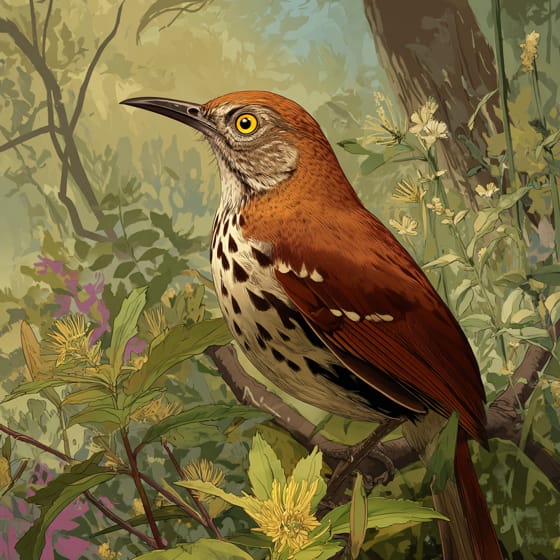
Toxostoma rufum
feasts on the dark, mature fruits
Deciduous plants periodically shed all their leaves, typically during autumn or dry seasons.
Broadleaf trees are angiosperms characterized by flat, wide leaves that are typically shed annually in temperate climates.
Fruit-bearing plants produce fruits, which are the mature ovaries of flowering plants containing seeds.
Drought-tolerant plants can survive and flourish in conditions with limited water availability.

A fruit tree is a perennial tree that produces fruit, which is edible to humans or animals.

Edible plants are those parts of a plant that are considered safe for human consumption.

Desert habitats are arid regions characterized by extremely low precipitation and often extreme temperatures, supporting specialized flora and fauna.
No aliases listed yet.
Danger
1/5 · Very low
Always ask an adult before trying any fruit from trees.
The easiest way to identify Texas Persimmon is to use the Snappit nature identifier app.
300-600 cm
300-500 cm
0.5-1 cm
Spring
Yes
None
Perennial
Zoom in to split clusters and explore where this object has been snapped.
Oct 17, 2025
Fort LancasterPhoto attribution
(c) Annika Lindqvist, some rights reserved (CC BY)
License: CC BY 4.0 ↗
Image may be shown cropped inside the card frame.

Texas, US
You might spot Reticulated Giraffe, Zebra, and White Rhinoceros.
View guide →

Texas, US
You might spot Antelopehorn Milkweed and Lindheimer's Senna.
View guide →

Texas, US
You might spot Leonora's Dancer and Ornate Tree Lizard.
View guide →

Texas, US
You might spot Greater Earless Lizard and Tree Cholla.
View guide →

Texas, US
You might spot Pipevine Swallowtail and Antelopehorn Milkweed.
View guide →
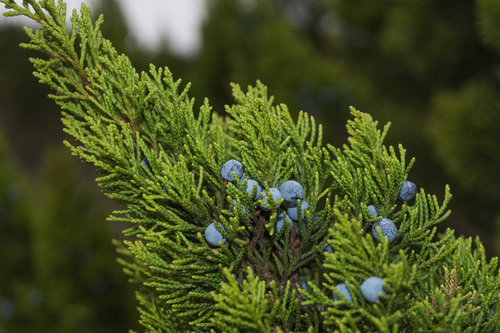
Texas, US
You might spot Ashe Juniper, Texas Bluebonnet, and Texas Live Oak.
View guide →
Take the discovery with you
Snap it with Snappit to identify it, learn what makes it special, and add the discovery to your collection.








.jpg&width=800)


_001.jpg&width=800)



