





Texas stork's bill
Erodium texanum
Texas stork's bill is a small plant with pretty pink flowers. It grows close to the ground and has unique, long seed pods that look like little storks' bills!
Habitat: Grasslands
The Texas stork's bill is a low-growing plant with deeply lobed, fern-like leaves. It has small, five-petaled flowers, typically pink to purplish-pink, often with darker veins. Its most distinctive feature is its long, pointed, stork-bill-shaped fruit that stands upright.
Category
PlantsRarity
Common
Danger
1/5 · Very low
Snaps
3
Its fruit looks just like a stork's long, pointed beak, giving the plant its unique name!
Native American tribes sometimes used the leaves of this plant for traditional remedies.
This plant is a wild cousin to the colorful geraniums you might see in gardens.
You can find its tiny pink flowers blooming even during mild winter days!
Texas stork's bill has seeds with a coiled, corkscrew tail that can drill into the soil, planting themselves deep and safe.
Its seeds are designed to attach to animal fur or feathers, allowing them to travel far and colonize new areas.
Texas stork's bill can thrive in dry, disturbed soils where other plants struggle, thanks to its quick lifecycle and robust roots.
Apis mellifera
collects nectar and pollen
Bombus impatiens
helps transfer pollen
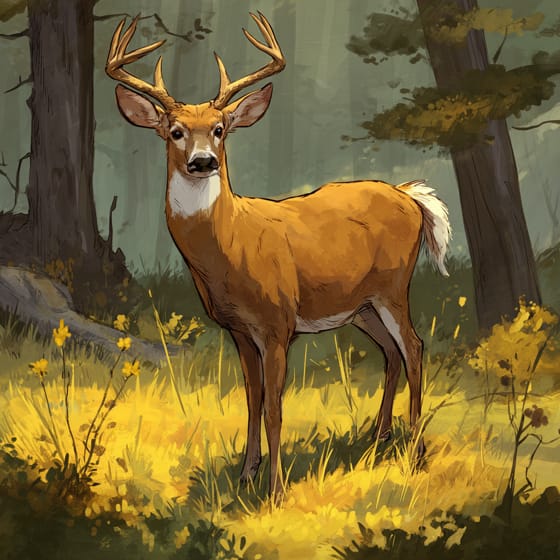
Odocoileus virginianus
forages on its leaves
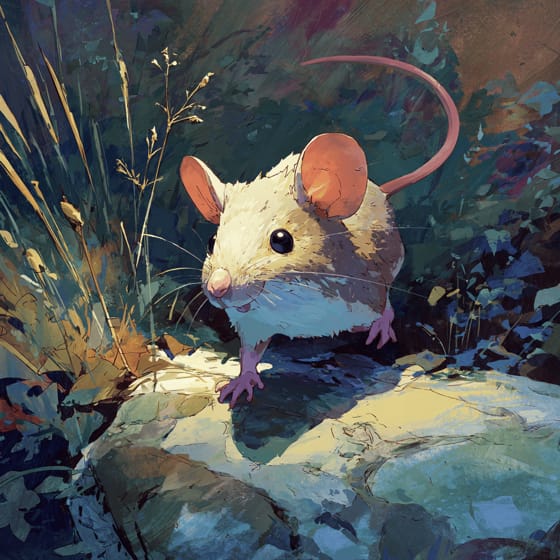
Mus musculus
eats its protein-rich seeds
Flowering plants are any plants that produce flowers as part of their reproductive cycle.
Biennial plants complete their life cycle over two growing seasons, typically forming foliage in the first year and flowering/seeding in the second.
Spring blooming plants produce their flowers during the spring season, often signifying the end of winter and the start of new growth.
Drought-tolerant plants can survive and flourish in conditions with limited water availability.

Edible plants are those parts of a plant that are considered safe for human consumption.

Grassland habitats are terrestrial biomes dominated by grasses and herbaceous plants, supporting a variety of grazing animals.

Describes plants that are particularly attractive and beneficial to a wide range of pollinating organisms.
No aliases listed yet.
Danger
1/5 · Very low
Always look but don't pick plants unless an adult says it's okay.
The easiest way to identify Texas stork's bill is to use the Snappit nature identifier app.
5-30 cm
5-20 cm
0.5-1.5 cm
Late winter to spring
Yes
None
Annual
Zoom in to split clusters and explore where this object has been snapped.

California, US
You might spot Creosote Bush, Desert Holly, and Cottontop Cactus.
View guide →

Texas, US
You might spot Queen, Texas Spiny Lizard, and Antelopehorn Milkweed.
View guide →
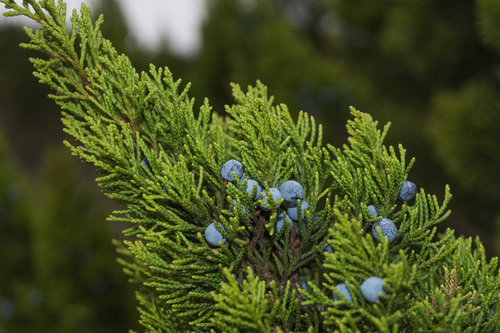
Texas, US
You might spot Ashe Juniper, Texas Bluebonnet, and Texas Live Oak.
View guide →
Take the discovery with you
Snap it with Snappit to identify it, learn what makes it special, and add the discovery to your collection.








.jpg&width=800)



_001.jpg&width=800)



