





Thick-leaved Yerba Santa
Eriodictyon crassifolium
Thick-leaved Yerba Santa is a special plant with big, thick leaves. It grows in sunny places and has a lovely smell that attracts butterflies and bees!
Habitat: Coastal areas
The Thick-leaved Yerba Santa has thick, leathery dark green leaves, often sticky with resin. Its bell-shaped flowers are small, clustered, and range from white to lavender-purple, appearing at stem tips.
Category
PlantsRarity
Common
Danger
1/5 · Very low
Snaps
5
Even its tough seeds can stay dormant in the soil for years, waiting for perfect conditions to sprout!
Its bell-shaped flowers can change color from white to purple as they mature!
Its scientific name, 'Eriodictyon,' means 'woolly net,' describing the fuzzy texture of its leaves!
The plant's strong, resinous scent can fill the air, especially after rain, making it easy to find!
Thick-leaved Yerba Santa has a waxy, sticky coating on its leaves that helps it hold onto precious water in dry climates.
This plant can quickly resprout from its roots after a wildfire, helping it recover and thrive in burned areas.
Its hairy, often curled leaves reduce sun exposure, protecting the plant from intense heat and preventing water loss.

Bombus vosnesenskii
Collects nectar and pollen from flowers.
Apis mellifera
Visits flowers for nectar and pollen.
Cacopsylla yerbasantae
Feeds on the sap from its leaves and stems.
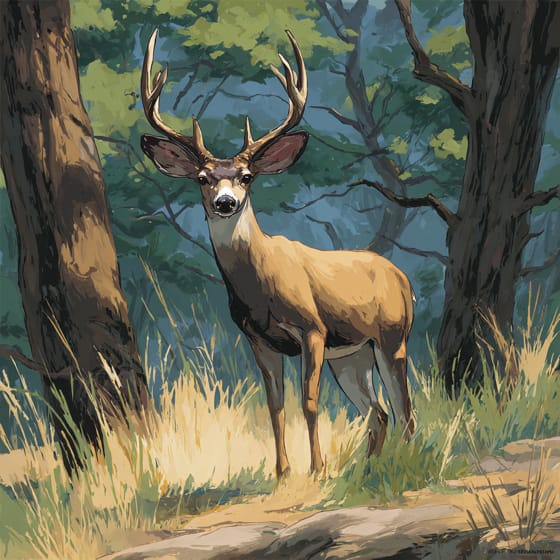
Odocoileus hemionus
May browse leaves and twigs, especially young growth.
Aromatic plants produce and emit fragrant volatile organic compounds, often for defense or to attract pollinators.
A shrub is a woody plant smaller than a tree, typically with multiple stems branching from or near the ground.
Evergreen plants retain their foliage throughout the year, never shedding all their leaves at once.
Fragrant flowers emit a pleasant aroma, often to attract pollinators or for defense.

Medicinal plants possess chemical compounds that can be used for therapeutic purposes to treat illnesses or maintain health.

Drought-tolerant plants can survive and flourish in conditions with limited water availability.

Describes plants that are particularly attractive and beneficial to a wide range of pollinating organisms.

Coastal habitats are dynamic environments located along the interface between land and sea, influenced by tides, waves, and saltwater.
No aliases listed yet.
Danger
1/5 · Very low
Always look but don't touch plants unless you know they're safe.
The easiest way to identify Thick-leaved Yerba Santa is to use the Snappit nature identifier app.
50-250 cm
50-200 cm
0.8-1.2 cm
Spring to early Summer
Yes
None
Perennial
Zoom in to split clusters and explore where this object has been snapped.

California, US
You might spot Hollyleaf Cherry, Toyon, and Lemonade Berry.
View guide →

California, US
You might spot Utah Juniper and Chaparral Yucca.
View guide →

California, US
You might spot Penguin, Leafy Seadragon, and Weedy Seadragon.
View guide →

California, US
You might spot African Lion, Tiger, and Leopard.
View guide →
Take the discovery with you
Snap it with Snappit to identify it, learn what makes it special, and add the discovery to your collection.









.jpg&width=800)


_001.jpg&width=800)



