.jpg&width=800)





Townsend's Vole
Microtus townsendii
Townsend's Vole is a small, furry animal that loves to live in grassy areas. They are great at digging tunnels and can be found in fields and wetlands, where they make cozy homes.
Habitat: Grasslands
The Townsend's Vole has a stocky body with dense, dark brown fur on its back, transitioning to a lighter grey on its belly. It features a relatively short, dark tail and small ears that are almost hidden within its fur, making it appear robust compared to mice.
Category
MammalsRarity
Common
Danger
1/5 · Very low
Snaps
Be the first to snap!
These voles often create 'highways' of clipped grass through their habitats!
They are sometimes called 'meadow mice,' but they're not true mice!
They can have up to 10 litters in a single year – wow, busy!
Townsend's Voles build intricate tunnel systems in dense grass!
Townsend's Voles create complex networks of clipped grass runways and tunnels that help them travel safely and quickly.
Townsend's Voles can have multiple litters a year, helping their population quickly bounce back from challenges.
This vole can thrive in damp, marshy environments that other small mammals might find too soggy, thanks to its adaptations.
They munch on fresh grasses, clover, and other plants, helping to keep meadows tidy and healthy.

Tyto alba
A common prey for silent hunters of the night.
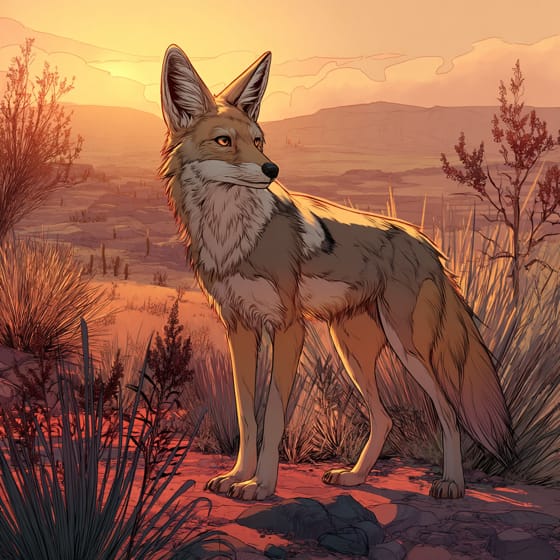
Canis latrans
Often caught by opportunistic predators in open fields.

Mustela frenata
A favorite, nimble meal for slender predators.
_Clock_-_Tennessee%2C_USA_-_May_31%2C_2014.jpg&width=800)
Taraxacum officinale
Feeds on its leaves and stems as a nutritious snack.
Furry describes animals possessing a dense covering of soft hair or fur.
Social animals live in organized groups, cooperating for survival benefits such as foraging, defense, and raising offspring.
Burrowing animals dig tunnels and chambers in the ground, using these subterranean structures for shelter, hunting, or breeding.
Grassland habitats are terrestrial biomes dominated by grasses and herbaceous plants, supporting a variety of grazing animals.

This trait characterizes organisms whose diet consists entirely or primarily of plant material.

This habitat trait identifies species found in wetlands, which are areas of land saturated with water, either permanently or seasonally, including marshes, swamps, and bogs.

Describes a species whose presence and role have a disproportionately large effect on its environment.

Endangered status indicates a species is at a very high risk of extinction in the wild in the near future.
No aliases listed yet.
Danger
1/5 · Very low
If you see a vole, watch quietly from a distance. Don't try to touch or catch them.
The easiest way to identify Townsend's Vole is to use the Snappit nature identifier app.
12-18 cm
0.05-0.17 kg
1-2 years
8 km/h
They munch on fresh grasses, clover, and other plants, helping to keep meadows tidy and healthy.
Grasslands
Foraging
Zoom in to split clusters and explore where this object has been snapped.
Recent snaps will appear here as new observations are added.
Take the discovery with you
Snap it with Snappit to identify it, learn what makes it special, and add the discovery to your collection.




.jpg&width=800)



.JPG&width=800)
.jpg&width=800)
