





Trailing Ivy
Hedera helix
Trailing Ivy is a vine plant with long, winding stems and green leaves that creep along the ground or climb walls. It adds a touch of nature to gardens and indoor spaces.
Habitat: Forests
The Trailing Ivy is an evergreen vine recognized by its distinct dark green, lobed leaves. These leathery leaves often have lighter veins, contrasting with its tough, woody stems that grip surfaces firmly.
Category
PlantsRarity
Common
Danger
1/5 · Very low
Snaps
15
As it gets older, its leaf shape can actually change from lobed to oval!
In ancient Greece, ivy wreaths were worn by poets and athletes as symbols of glory!
This amazing plant can live for hundreds of years, becoming thick, ancient vines!
Trailing Ivy produces berries in winter, a crucial food for hungry birds!
Trailing Ivy can thrive in very dark places, using its efficient leaves to capture even scarce sunlight.
It has special aerial roots that act like tiny suction cups, letting it climb high on walls and trees.
Its tough, waxy leaves stay green all year, helping it make food even when other plants are bare.
Apis mellifera
Collects nectar and pollen from its late-blooming flowers.
Turdus merula
Feeds on its nutrient-rich berries during the lean winter months.
%2C_Parc_de_Woluw%C3%A9%2C_Brussels_(13042792905).jpg&width=800)
Parus major
Often nests and roosts within dense ivy growth, finding safety from predators.
Describing a plant or anatomical structure that droops or hangs downwards.
Shade tolerant plants are adapted to grow and thrive in areas with low light levels, requiring less direct sunlight.
A shrub is a woody plant smaller than a tree, typically with multiple stems branching from or near the ground.
Evergreen plants retain their foliage throughout the year, never shedding all their leaves at once.

Rapid growing plants exhibit accelerated growth rates, quickly increasing in size and biomass within a short period.

Forest habitats are terrestrial environments dominated by dense tree cover, supporting a high diversity of plant and animal life.
No aliases listed yet.
Danger
1/5 · Very low
Avoid touching or eating plants unless an adult says it's safe.
The easiest way to identify Trailing Ivy is to use the Snappit nature identifier app.
10-3000 cm
50-1000 cm
0.3-0.5 cm
Fall
No
Mild
Perennial
Zoom in to split clusters and explore where this object has been snapped.

New Jersey, US
You might spot White-Tailed Deer and Eastern Gray Squirrel.
View guide →
New York, US
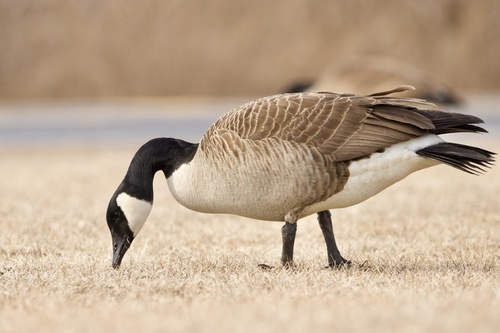
You might spot Canada Goose and Atlantic Horseshoe Crab.
View guide →

Pennsylvania, US
You might spot Spotted Lanternfly, Duck, and Asian Lady Beetle.
View guide →

New Jersey, US
You might spot Eastern Gray Squirrel and Canada Goose.
View guide →

Maryland, US
You might spot Common Pawpaw and Feather-Edged Petrophila.
View guide →

Virginia, US
You might spot Garlic Mustard, Spotted Lanternfly, and Bloodroot.
View guide →
Take the discovery with you
Snap it with Snappit to identify it, learn what makes it special, and add the discovery to your collection.








.jpg&width=800)



_001.jpg&width=800)


