





Trillium
Trillium
Trilliums are beautiful flowers with three large petals that come in different colors like white, pink, and red. They grow on forest floors and bloom in the spring, adding color to the shady areas.
Habitat: Forests
The Trillium is a striking woodland plant distinguished by its unique three-part symmetry, featuring three broad leaves, three petals, and three sepals. Its solitary flower typically appears above the leaves, often in shades of white, pink, red, or deep maroon, making it easily identifiable.
Category
PlantsRarity
Common
Danger
1/5 · Very low
Snaps
Be the first to snap!
A Trillium plant can take 5-7 years to produce its very first beautiful flower!
Native Americans used parts of Trillium plants for food and traditional medicines!
Picking a Trillium flower can fatally wound the plant, as its leaves are crucial for survival!
Some Trillium species produce a scent like rotting meat to attract flies for pollination!
Trillium seeds have nutritious elaiosomes, attracting ants to carry them to new spots, helping the plant spread.
Some Trillium flowers change color as they age, possibly signaling to pollinators or indicating their seed development stage.
Trillium plants can live for many decades, but grow very slowly, making them sensitive to environmental changes.
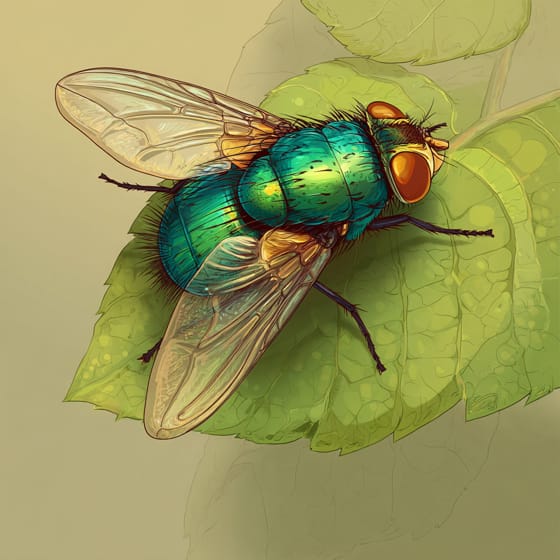
Lucilia sericata
Attracted by specific scents for pollination.
Apis mellifera
Collects nectar and pollen from the flowers.
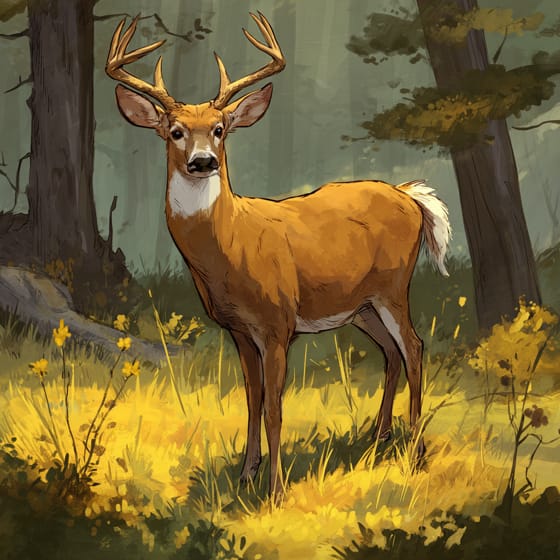
Odocoileus virginianus
Browses the leaves and flowers of Trillium plants.
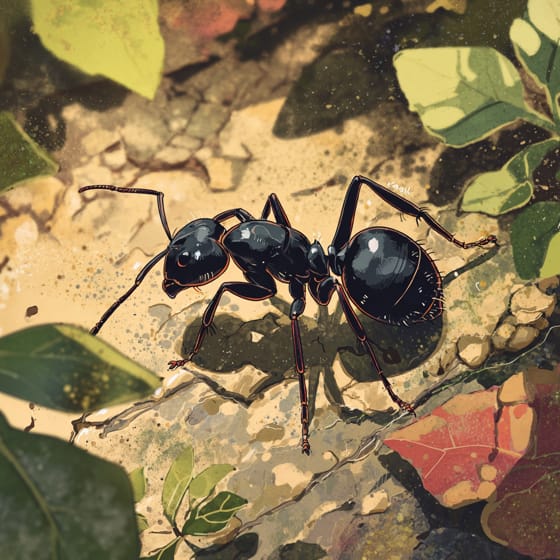
Lasius niger
Disperses Trillium seeds containing nutritious elaiosomes.
Deciduous plants periodically shed all their leaves, typically during autumn or dry seasons.
Shade tolerant plants are adapted to grow and thrive in areas with low light levels, requiring less direct sunlight.
Spring blooming plants produce their flowers during the spring season, often signifying the end of winter and the start of new growth.
Fragrant flowers emit a pleasant aroma, often to attract pollinators or for defense.

Forest habitats are terrestrial environments dominated by dense tree cover, supporting a high diversity of plant and animal life.

This trait characterizes organisms with an exceptionally long lifespan compared to others of their kind.
Danger
1/5 · Very low
Enjoy looking at trilliums in the forest but never pick them. Let them grow and spread naturally.
The easiest way to identify Trillium is to use the Snappit nature identifier app.
15-45 cm
10-30 cm
3-8 cm
Spring
Yes
Mild
Perennial
Zoom in to split clusters and explore where this object has been snapped.
Recent snaps will appear here as new observations are added.
Take the discovery with you
Snap it with Snappit to identify it, learn what makes it special, and add the discovery to your collection.








.jpg&width=800)


_001.jpg&width=800)


