




Tuber
Tuber
A tuber is a special part of a plant that grows underground. It stores food for the plant and helps it survive during winter. Some tubers like potatoes are yummy to eat!
Habitat: Various habitats
The Tuber plant typically grows upright, often with green leaves that can be broad or finely divided, producing flowers above ground. Its underground storage stems, known as tubers, are visually distinct, often knobby and earthy-colored, ranging from brown to purple on the outside.
Category
PlantsRarity
Common
Danger
1/5 · Very low
Snaps
Be the first to snap!
Ancient people first started growing tubers over 10,000 years ago!
Some tubers like potatoes can be blue or even purple inside!
The world's heaviest yam tuber ever found weighed over 180 pounds!
Tubers are not roots; they are actually swollen underground stems!
Tuber plants can store vast amounts of starch and nutrients in their tubers, which helps them survive harsh conditions.
A Tuber can sprout a whole new plant from an 'eye' or bud, allowing easy reproduction without seeds.
Tubers grow deep underground, protecting them from frost, fires, and surface predators, ensuring plant survival.
Tubers specialize in creating and storing complex starches, providing the plant with vital energy stores for growth.

Homo sapiens
Tubers are a vital food source.
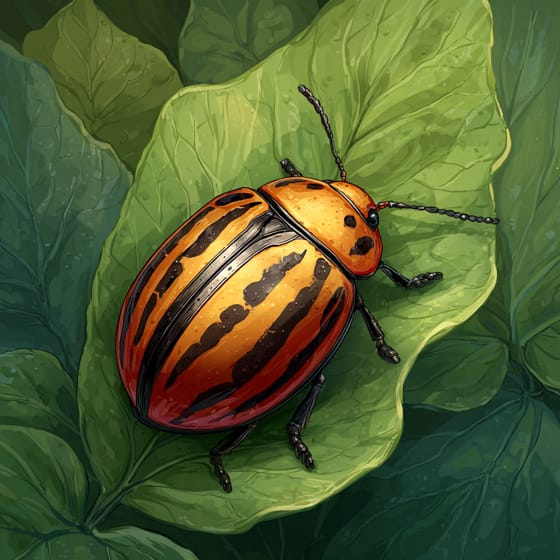
Leptinotarsa decemlineata
Larvae and adults devour leaves.
Phytophthora infestans
Causes destructive potato disease.
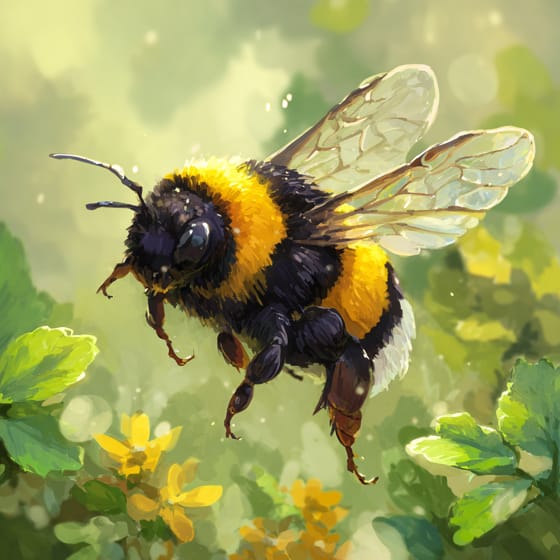
Bombus terrestris
Visits flowers for nectar.
This trait describes a symbiotic relationship between a fungus and the roots of a plant, benefiting both organisms.
Fruit-bearing plants produce fruits, which are the mature ovaries of flowering plants containing seeds.
This human use trait describes species cultivated or domesticated by humans for agricultural purposes, including crops and livestock.
Edible plants are those parts of a plant that are considered safe for human consumption.

Rapid growing plants exhibit accelerated growth rates, quickly increasing in size and biomass within a short period.

Forest habitats are terrestrial environments dominated by dense tree cover, supporting a high diversity of plant and animal life.
No aliases listed yet.
Danger
1/5 · Very low
Tubers are safe to touch but should not be eaten unless an adult says it's okay.
The easiest way to identify Tuber is to use the Snappit nature identifier app.
30-150 cm
30-100 cm
1-15 cm
Summer
Yes
Moderate
Perennial
Zoom in to split clusters and explore where this object has been snapped.
Recent snaps will appear here as new observations are added.
Take the discovery with you
Snap it with Snappit to identify it, learn what makes it special, and add the discovery to your collection.








.jpg&width=800)



_001.jpg&width=800)



