




tufted vetch
Vicia cracca
Tufted vetch is a lovely plant with pretty purple flowers that grow in clusters. It loves to climb and can often be found in fields and along roadsides, making the world a little more colorful!
Habitat: Grasslands
The tufted vetch has slender stems and feathery, grey-green leaves. It produces dense clusters of vibrant purplish-blue, pea-like flowers, which are distinctive for their intense colour and upright arrangement on one side of the stem.
Category
PlantsRarity
Common
Danger
1/5 · Very low
Snaps
16
Bumblebees love its nectar, helping carry its pollen far and wide.
It's a super climber, reaching high with curly tendrils!
Its tiny seeds pop out of pods like miniature rockets!
Vetch was once grown for animal food and to make soil healthy.
Tufted vetch has special roots that team up with tiny bacteria to add super-food nitrogen to the soil, making it healthier.
Tufted vetch can sprout strong tendrils that wrap around other plants, helping it climb up high for precious sunlight.
Tufted vetch has seed pods that explosively burst open, flinging seeds away to find new places to grow.
Bombus terrestris
Collects nectar and pollen
Aphis craccae
Feeds on plant sap
Rhizobium leguminosarum
Lives in its root nodules
Urtica dioica
Climbs on its sturdy stems
Climbing or vine plants are characterized by a growth habit that allows them to ascend upwards by twining, tendrils, or adhesive roots.
Flowering plants are any plants that produce flowers as part of their reproductive cycle.
Describes organisms capable of converting atmospheric nitrogen into compounds usable by plants.
Cluster flowers are inflorescences where individual flowers are arranged closely together on a common stem.

Summer blooming plants produce their flowers during the summer season, often providing vibrant color when many other plants have finished.

Colorful describes organisms or objects displaying a wide range of bright and distinct colors.

Grassland habitats are terrestrial biomes dominated by grasses and herbaceous plants, supporting a variety of grazing animals.

Describes plants that are particularly attractive and beneficial to a wide range of pollinating organisms.
No aliases listed yet.
Danger
1/5 · Very low
Always look but don't touch plants unless you know they are safe.
The easiest way to identify tufted vetch is to use the Snappit nature identifier app.
50-200 cm
30-100 cm
0.8-1.2 cm
Late spring to late summer
Yes
None
Perennial
Zoom in to split clusters and explore where this object has been snapped.

Rhode Island, US
You might spot Rugosa Rose and American Herring Gull.
View guide →

Wisconsin, US
You might spot Turkey, White-Tailed Deer, and Dame's Rocket.
View guide →

New York, US
You might spot Common Eastern Bumble Bee and American Robin.
View guide →

Massachusetts, US
You might spot Turkey, Garter Snake, and Multiflora Rose.
View guide →

New Hampshire, US
You might spot Eastern White Pine and White-Tailed Deer.
View guide →
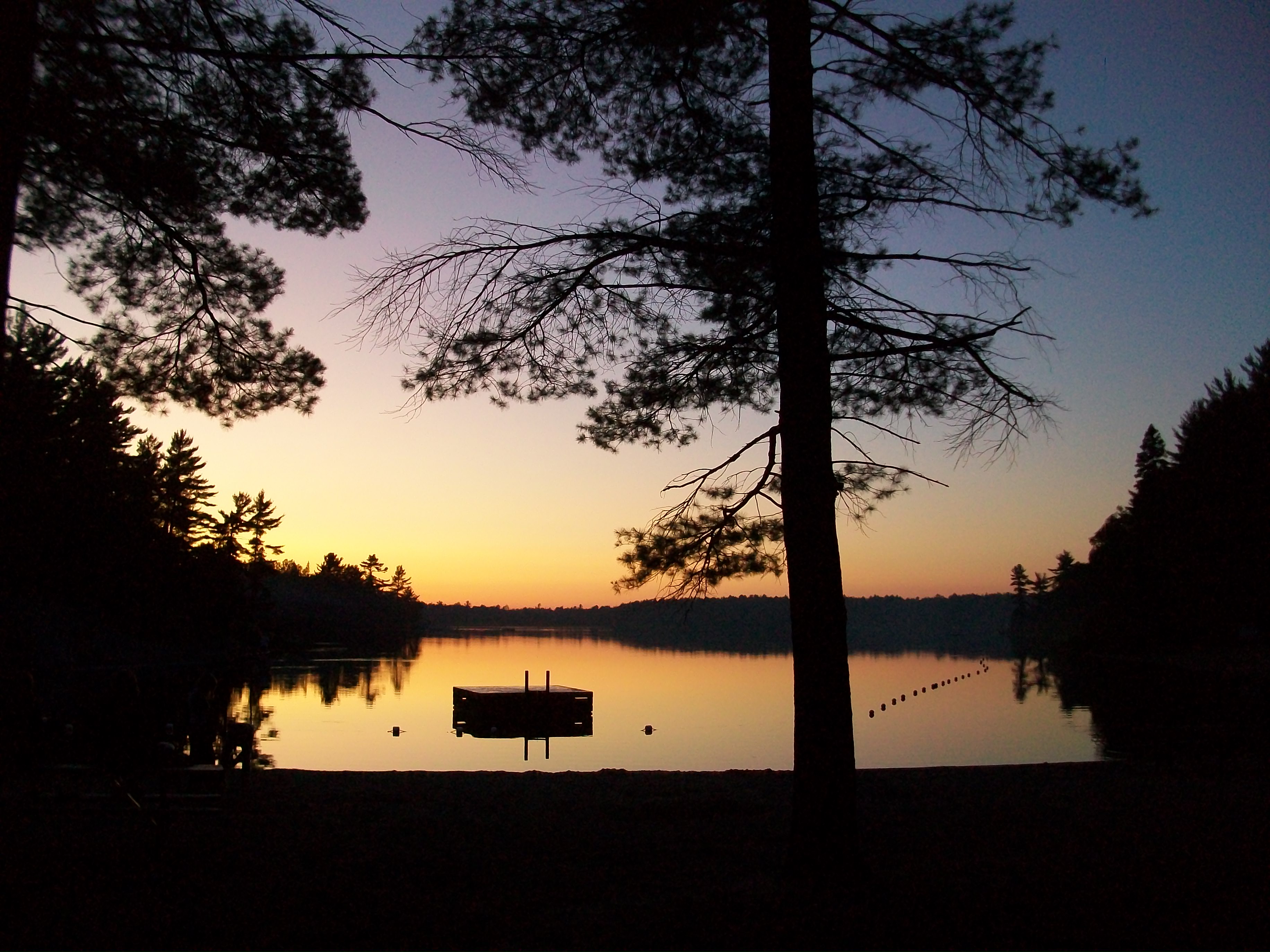
Ontario, CA
You might spot Painted Turtle, Common Watersnake, and Pickerelweed.
View guide →
Take the discovery with you
Snap it with Snappit to identify it, learn what makes it special, and add the discovery to your collection.







.jpg&width=800)



_001.jpg&width=800)




