





twinberry honeysuckle
Lonicera involucrata
Twinberry honeysuckle is a special plant with sweet, tasty berries! It has pretty yellow flowers that attract butterflies and hummingbirds. You can find it in the woods and along streams.
Habitat: Forests
The twinberry honeysuckle has tubular, yellowish flowers that mature into shiny, dark purplish-black berries. These distinctive berries always grow in pairs and are strikingly framed by large, bright reddish-purple bracts.
Category
PlantsRarity
Common
Danger
2/5 · Low
Snaps
10
Even though they look yummy, its dark twin berries are not safe for humans to eat!
Hummingbirds are huge fans, sipping nectar from its flowers with their long beaks!
Its tubular flowers produce a sweet nectar, just like real honey for thirsty visitors!
This plant helps keep nature healthy by providing food for many different birds!
Twinberry honeysuckle has two berries growing side-by-side, maximizing seed production for future plants.
It possesses bright reddish-purple bracts that act as flashy signals, guiding birds and insects to its flowers.
.jpg&width=800)
Selasphorus rufus
Sips nectar from flowers
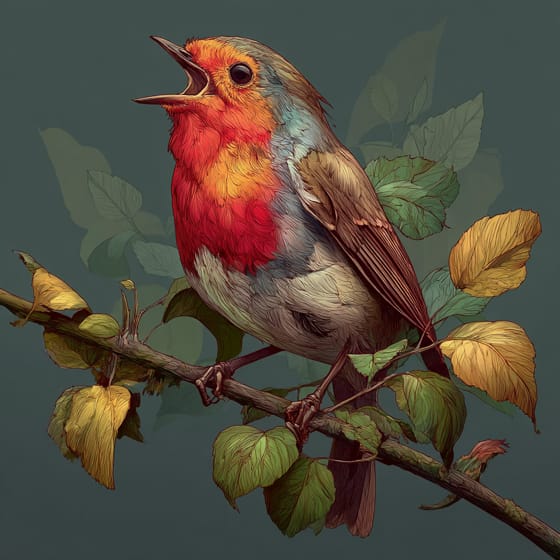
Turdus migratorius
Consumes its dark berries
Bombus melanopygus
Visits flowers for nectar
Deciduous plants periodically shed all their leaves, typically during autumn or dry seasons.
Flowering plants are any plants that produce flowers as part of their reproductive cycle.
A shrub is a woody plant smaller than a tree, typically with multiple stems branching from or near the ground.
Summer blooming plants produce their flowers during the summer season, often providing vibrant color when many other plants have finished.

Fruit-bearing plants produce fruits, which are the mature ovaries of flowering plants containing seeds.

Edible plants are those parts of a plant that are considered safe for human consumption.

Describes plants that are particularly attractive and beneficial to a wide range of pollinating organisms.

Forest habitats are terrestrial environments dominated by dense tree cover, supporting a high diversity of plant and animal life.
No aliases listed yet.
Danger
2/5 · Low
While the berries are sweet, it's best to ask an adult before tasting any wild berries.
The easiest way to identify twinberry honeysuckle is to use the Snappit nature identifier app.
100-300 cm
100-200 cm
1-2 cm
Late Spring to Mid-Summer
No
Mild
Perennial
Zoom in to split clusters and explore where this object has been snapped.

Washington, US
You might spot Great Blue Heron, Aggregating Anemone, and Ochre Sea Star.
View guide →

Colorado, US
You might spot Black-Billed Magpie and Twinberry Honeysuckle.
View guide →

California, US
You might spot Western Gull, Sea Lion, and Great Blue Heron.
View guide →

Washington, US
You might spot Western Skunk Cabbage, Thimbleberry, and Barred Owl.
View guide →

Washington, US
You might spot African Lion, Giraffes, and Gorilla.
View guide →

California, US
You might spot Western Azalea, Pacific Trillium, and Western Columbine.
View guide →
Take the discovery with you
Snap it with Snappit to identify it, learn what makes it special, and add the discovery to your collection.






.jpg&width=800)



_001.jpg&width=800)



