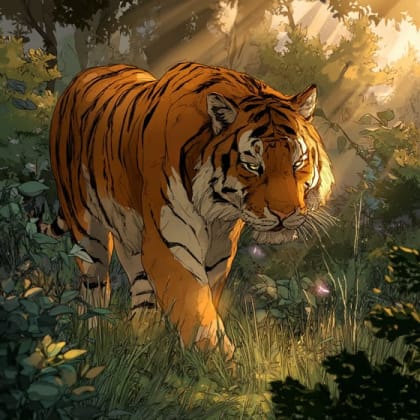

African Lion

Woodland Park Zoo: Seattle's award-winning gateway to global wildlife and conservation.
Woodland Park Zoo: Seattle's award-winning gateway to global wildlife and conservation.
Woodland Park Zoo in Seattle, Washington, offers an immersive journey into diverse ecosystems, housing over 900 animals from 250 species across 92 lush acres. More than just an animal park, it's a globally recognized leader in wildlife conservation and education, acclaimed for its pioneering naturalistic exhibits that set international standards for animal care. Visiting this iconic institution means connecting with the wild world and contributing to vital efforts to protect endangered species and their habitats, both locally in the Pacific Northwest and in far-flung corners of the globe.
The zoo's innovative design showcases animals in environments meticulously crafted to mimic their natural homes, fostering an enriching experience for both residents and visitors. Explore the vast African Savanna, home to majestic giraffes, zebras, and powerful African lions, or venture into the Tropical Rain Forest to encounter western lowland gorillas and elusive jaguars. Tropical Asia invites you to discover Malayan tigers, sloth bears, and engaging orangutans, while the Northern Trail features grizzlies, sea otters, and mountain goats. Don't miss the charming Humboldt penguins in their dedicated exhibit or the fascinating red pandas in the Temperate Forest.
Beyond the captivating animal encounters, Woodland Park Zoo is a place of discovery and inspiration, perfect for families and wildlife enthusiasts alike. Its commitment to conservation is evident in every corner, with interactive exhibits and educational programs designed to spark a lifelong love for nature and empower visitors to take action for wildlife. With numerous awards for its exhibits and conservation work, a visit promises not only memorable moments with incredible creatures but also a deeper understanding of our shared planet and the critical need to protect its biodiversity. Wondering what that bird or insect is? Find out on your visit using the Snappit nature app.
Woodland Park Zoo's origins trace back to 1879 when Canadian-born lumber mill owner Guy C. Phinney established a private menagerie on his 188-acre Woodland Park estate in Seattle. This early collection included North American animals like deer and black bears, as well as more exotic species such as African ostriches. After Phinney's death, his wife sold Woodland Park to the city of Seattle in 1899, and the zoo officially opened. In 1902, the prestigious Olmsted Brothers firm was hired to design the city's parks, including Woodland Park. A significant expansion was approved in 1968 through the Forward Thrust ballot measures, leading to a master plan by architect George Bartholick. This plan ushered in a new era of naturalistic exhibits, with the gorilla habitat in the late 1970s often cited as the world's first immersion exhibit, a groundbreaking concept that revolutionized zoo design. The zoo continued to develop, adding iconic areas like the African Savanna, which opened in 1980 and was the first of its kind.
Wander through diverse habitats, attend keeper talks and feeding demonstrations (check the daily schedule upon arrival), ride the Historic Carousel, let kids explore the Zoomazium. During summer, the seasonal Molbak's Butterfly Garden is a vibrant attraction, and in winter, the WildLanterns event transforms the zoo with light displays.
Summer: Enjoy longer hours, outdoor concerts like ZooTunes, and the Molbak's Butterfly Garden. Giraffe feedings are often available for a small fee.
Fall/Spring: Pleasant weather for walking, fewer crowds than summer.
Winter: Experience the magical WildLanterns event. Animals may be more active on cooler days, and indoor exhibits provide warmth.
Woodland Park Zoo is largely free of physical barriers, offering wheelchair-accessible paths, accessible parking spaces, and accessible restrooms. Mobility equipment like wheelchairs and ECV scooters are available for rent. The zoo provides a sensory map to identify quiet areas, and sensory tools like noise-cancelling headphones can be borrowed. Sighted guides can be requested for blind and low-vision guests, and complimentary admission is offered for one-to-one aides or attendants.
Don't miss the **African Savanna** for giraffes, zebras, hippos, and lions. The **Tropical Rain Forest** is a must-see for jaguars and western lowland gorillas. Explore **Tropical Asia** to find Malayan tigers, sloth bears, and orangutans. The **Northern Trail** showcases grizzly bears and sea otters, while the **Humboldt Penguin** exhibit provides captivating underwater views. The **Historic Carousel** and the **Zoomazium** indoor play space are popular with families.
Each card links to a full Explore page with photos, traits, and fun facts.
Start with the big picture, then zoom in to explore individual wildlife observations around this place.
Arrive early or late
The animals are often most active in the morning right after the zoo opens and again closer to closing time. Arriving early also helps avoid peak crowds and secure better parking.
Check the daily schedule
Consult the zoo's website or information boards upon arrival for keeper talks, feeding times, and special programs. This helps ensure you catch your favorite animals during their most engaging moments, such as giraffe feedings or sloth bear snacks.
Utilize indoor exhibits on rainy days
Seattle weather can be unpredictable. The Tropical Rain Forest building, Zoomazium, and certain aviaries offer excellent indoor viewing and play options, making rainy days enjoyable.
Consider a Seattle CityPASS
If you plan to visit multiple Seattle attractions, a CityPASS can save you money on admission to Woodland Park Zoo and other popular destinations.
Pack a picnic
The zoo has picnic areas, and bringing your own food can save money and offer a relaxed dining experience amidst the beautiful surroundings.
Wear comfortable shoes and bring a stroller for kids: The zoo covers 92 acres, so there will be a lot of walking. Strollers are highly recommended for young children.
Jun 5, 2026
Jun 5, 2026
Jun 5, 2026
Jun 5, 2026
Jun 5, 2026

Michigan, US
You might spot African Lion, Komodo Dragon, and Brown Bear.
View guide →
.jpg)
Municipal District of Cobh, IE
You might spot Ring-Tailed Lemur, Giraffes, and Cheetahs.
View guide →

Nouvelle-Aquitaine, FR
You might spot Greater Flamingo, Giraffes, and Red Panda.
View guide →

Texas, US
You might spot Giraffes, African Lion, and Eastern Black Rhinoceros.
View guide →
Take the discovery with you
Identify the wildlife you spot, learn as you go, and keep a collection of the adventure.