





upland larkspur
Delphinium nuttallianum
Upland larkspur is a beautiful flower that grows in the mountains. It has bright blue petals that look like little stars in the grass. These flowers are loved by bees and butterflies!
Habitat: Mountain regions
The upland larkspur has striking blue-purple flowers arranged on tall stalks. Each flower features a distinctive rear spur, making it easily identifiable from similar wildflowers. Its delicate petals bring a vibrant splash of color to mountain meadows.
Category
PlantsRarity
Common
Danger
2/5 · Low
Snaps
4
Bumblebees with extra long tongues are the best at reaching this flower's sweet nectar!
Its name, 'larkspur,' comes from the flower's spur resembling a bird's claw!
Many wildflowers avoid eating it, but sometimes deer nibble on young sprouts!
Some Native American tribes once used larkspur extracts for medicinal purposes!
Upland larkspur has toxic compounds that help it defend against hungry animals trying to eat its leaves and flowers.
Upland larkspur has uniquely shaped, spurred flowers that help attract specific long-tongued bumblebees for perfect pollination.
Upland larkspur can grow deep roots that help it survive in dry, rocky mountain soils where other plants struggle.
Bombus occidentalis
Collects nectar and pollen from its flowers.
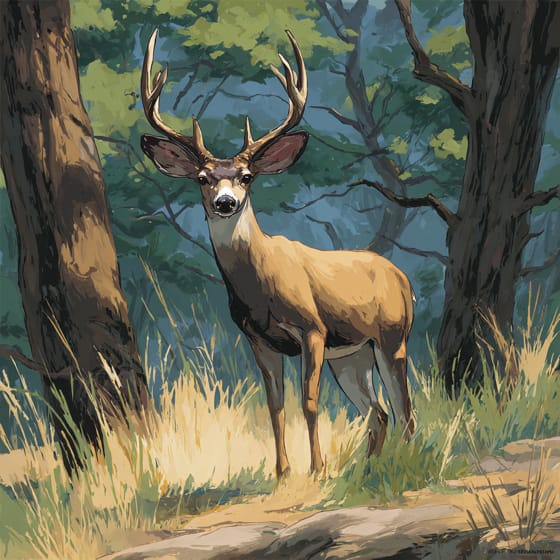
Odocoileus hemionus
Occasionally browses young plants, despite toxicity.
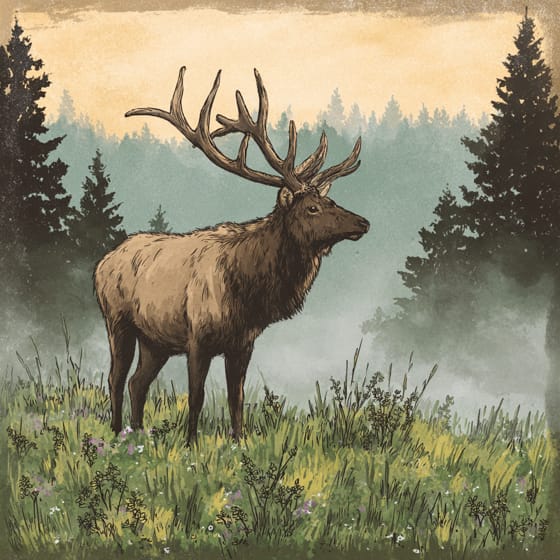
Cervus canadensis
Can graze on larkspur, especially young plants.
Flowering plants are any plants that produce flowers as part of their reproductive cycle.
Spring blooming plants produce their flowers during the spring season, often signifying the end of winter and the start of new growth.
Summer blooming plants produce their flowers during the summer season, often providing vibrant color when many other plants have finished.
Fragrant flowers emit a pleasant aroma, often to attract pollinators or for defense.

Colorful describes organisms or objects displaying a wide range of bright and distinct colors.

Describes plants that are particularly attractive and beneficial to a wide range of pollinating organisms.

This habitat trait identifies species found in mountainous regions, characterized by high elevation, steep slopes, and varying climate zones.
No aliases listed yet.
Danger
2/5 · Low
Do not touch or eat any wildflowers without asking an adult.
The easiest way to identify upland larkspur is to use the Snappit nature identifier app.
15-60 cm
10-30 cm
2-4 cm
Spring to Early Summer
No
High
Perennial
Zoom in to split clusters and explore where this object has been snapped.

Colorado, US
You might spot Black-Billed Magpie, Fireweed, and Common Cowparsnip.
View guide →

New Mexico, US
You might spot Rocky Mountain Beardtongue and Balkan Toadflax.
View guide →

Colorado, US
You might spot Elk, Mule Deer, and Moose.
View guide →

Colorado, US
You might spot Elk, Mule Deer, and Black-Billed Magpie.
View guide →
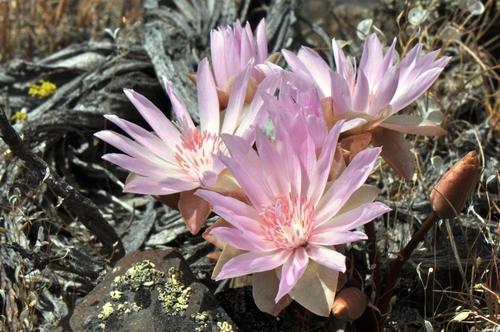
British Columbia, CA
You might spot Bitterroot, Arrowleaf Balsamroot, and Western Stoneseed.
View guide →
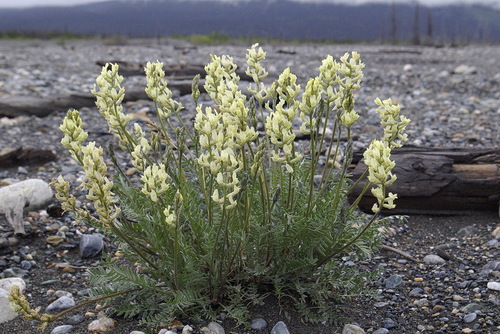
British Columbia, CA
You might spot Field Locoweed, Silky Lupine, and Wax Currant.
View guide →
Take the discovery with you
Snap it with Snappit to identify it, learn what makes it special, and add the discovery to your collection.








.jpg&width=800)


_001.jpg&width=800)




