.jpg&width=800)





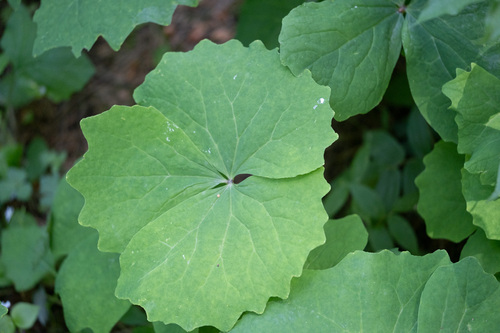
vanilla leaf
Achlys triphylla
Vanilla leaves are soft and green, and they smell sweet! They grow on tall plants and can be found in shady places. These leaves are part of the vanilla plant that gives us the yummy vanilla flavor.
Habitat: Forests
The vanilla leaf has distinctive bright green leaves, each divided into three fan-like lobes, giving it a unique appearance on the forest floor. Its tiny, whitish flowers grow in a slender, leafless spike that rises above the foliage. When crushed, the leaves release a sweet, vanilla-like scent.
Category
PlantsRarity
Common
Danger
1/5 · Very low
Snaps
4
Despite its name, it's not related to the vanilla orchid, but to the barberry family!
Its vanilla-like smell comes from coumarin, not real vanilla bean!
The scientific name 'Achlys' means 'darkness' or 'mist,' describing its shady forest home.
Vanilla leaf often grows in perfect circles, sometimes called 'fairy rings,' due to its spreading roots.
Vanilla leaf has a special coumarin scent that helps it deter hungry herbivores from munching on its leaves.
Vanilla leaf can spread quickly using underground stems (rhizomes) that help it colonize dark, moist forest floors.
Vanilla leaf has a super power to grow well even in deep shade, making the most of very little sunlight.
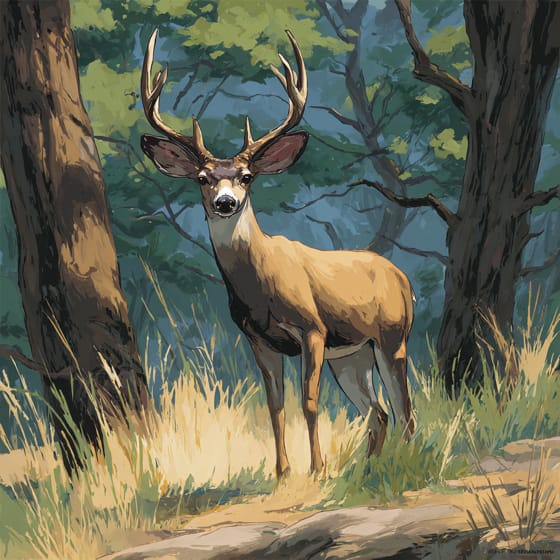
Odocoileus hemionus
grazes on its fan-like leaves
Mycetophila fungorum
attracted to its tiny flowers
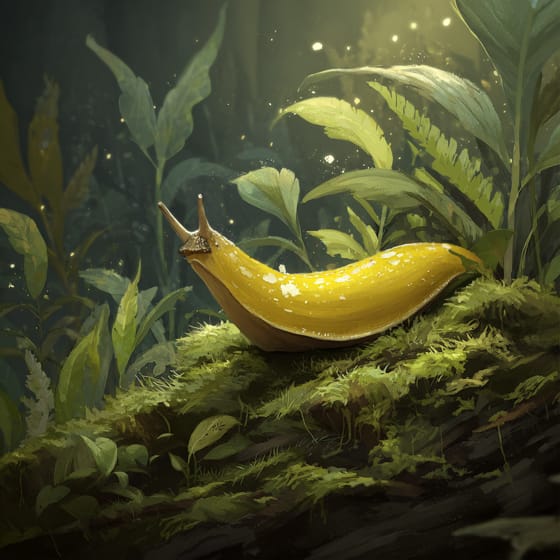
Ariolimax columbianus
hides beneath its wide leaves
Aromatic plants produce and emit fragrant volatile organic compounds, often for defense or to attract pollinators.
Shade tolerant plants are adapted to grow and thrive in areas with low light levels, requiring less direct sunlight.
Broadleaf trees are angiosperms characterized by flat, wide leaves that are typically shed annually in temperate climates.
Evergreen plants retain their foliage throughout the year, never shedding all their leaves at once.

Fragrant flowers emit a pleasant aroma, often to attract pollinators or for defense.

Medicinal plants possess chemical compounds that can be used for therapeutic purposes to treat illnesses or maintain health.

Edible plants are those parts of a plant that are considered safe for human consumption.

This human use trait indicates species from which spices are derived, used for flavoring, preserving food, or as aromatic agents.

Forest habitats are terrestrial environments dominated by dense tree cover, supporting a high diversity of plant and animal life.
No aliases listed yet.
Danger
1/5 · Very low
Always wash your hands after touching plants, just to be safe!
The easiest way to identify vanilla leaf is to use the Snappit nature identifier app.
20-40 cm
15-30 cm
0.1-0.5 cm
Spring to early summer
Yes
None
Perennial
Zoom in to split clusters and explore where this object has been snapped.
May 28, 2026
Hoyt ArboretumPhoto attribution
no rights reserved
License: CC0 1.0 ↗
Image may be shown cropped inside the card frame.
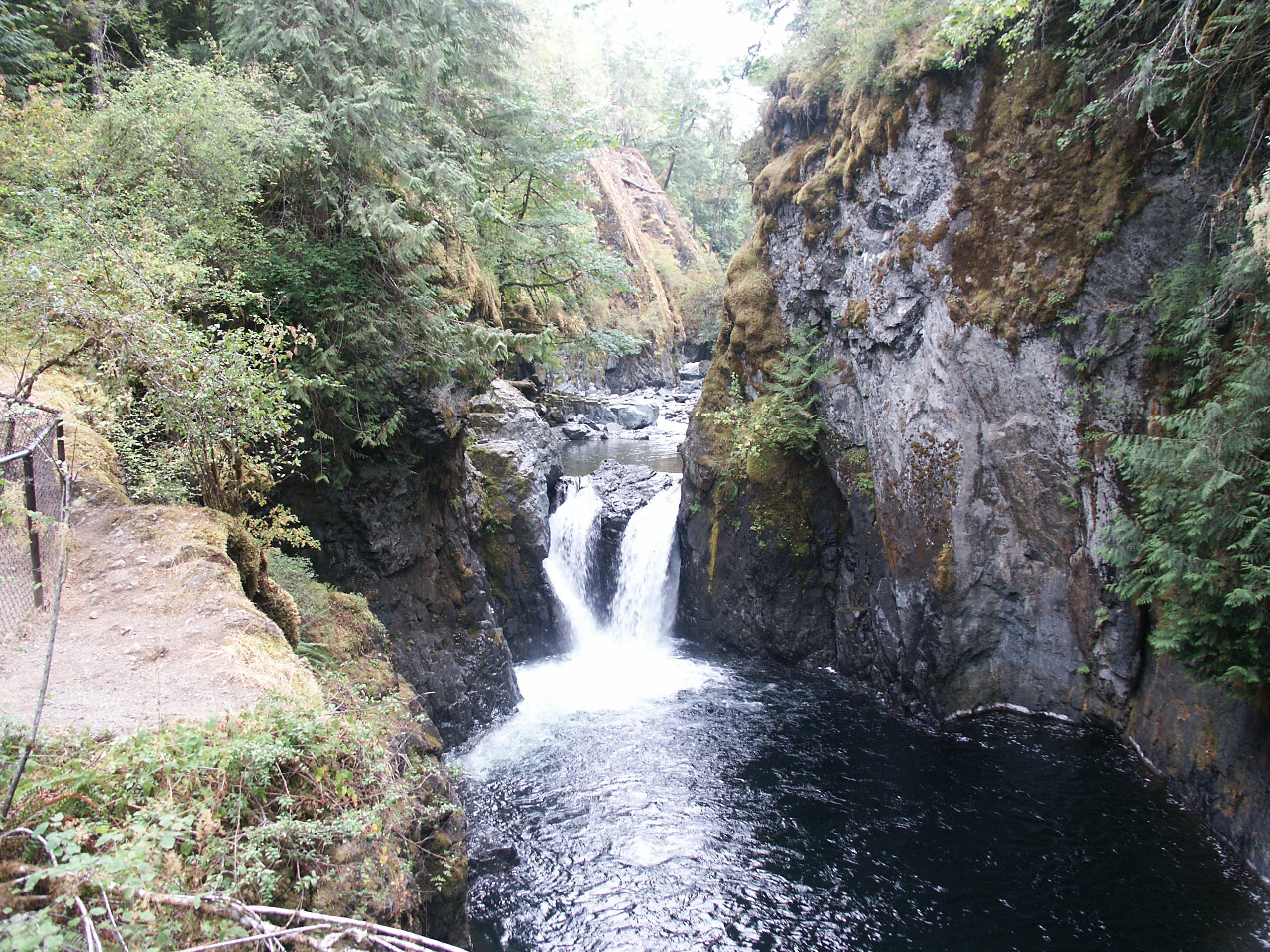
British Columbia, CA
You might spot Vanilla Leaf, Western Maidenhair Fern, and Salal.
View guide →

Oregon, US
You might spot Western Redcedar, Salal, and Pacific Trillium.
View guide →

Oregon, US
You might spot Pacific Trillium, Pacific Banana Slug, and Dark-Eyed Junco.
View guide →

Washington, US
You might spot Devil's Club, Scouler's Corydalis, and Pacific Banana Slug.
View guide →

Oregon, US
You might spot Northern Phlox, Marbled Wild-Ginger, and Pacific Trillium.
View guide →
Washington, US
You might spot Cascade Oregon-Grape, Oregon Anemone, and Bride's Bonnet.
View guide →
Take the discovery with you
Snap it with Snappit to identify it, learn what makes it special, and add the discovery to your collection.








.jpg&width=800)

_001.jpg&width=800)

