





Virginia Ctenucha Moth
Ctenucha virginica
The Virginia Ctenucha Moth is a colorful insect with bright blue and yellow wings. It flutters around fields and gardens, making it a cheerful sight on sunny days.
Habitat: Grasslands
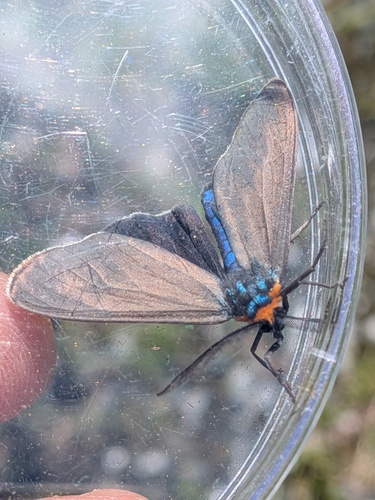
The Virginia Ctenucha Moth has a striking metallic blue-green body with an bright orange head and matching orange legs. Its wings are dark, usually black or dark brown, with a subtle iridescent blue streak along the hindwing edge. This color combination makes it visually different by resembling stinging wasps.
Category
InsectsRarity
Common
Danger
1/5 · Very low
Snaps
15
Adult Virginia Ctenucha Moths only live for about one to two weeks!
Despite looking like a bee or wasp, it's a completely harmless moth!
Its caterpillars are fuzzy and eat grasses, which is unusual for moth larvae.
This moth can sometimes make a clicking sound to warn off hungry bats!
Virginia Ctenucha Moths have bright orange heads and metallic bodies that help them mimic wasps, scaring away predators.
Virginia Ctenucha Moths can fly during the day, which helps them find nectar while many other moths hide.
Virginia Ctenucha Moths have a chemical defense, possibly from eating specific plants as caterpillars, that helps deter predators.
Adults sip nectar from flowers, while caterpillars munch on various grasses and plants.
Age differences: Larvae (caterpillars) eat leaves and grasses; adults drink nectar.
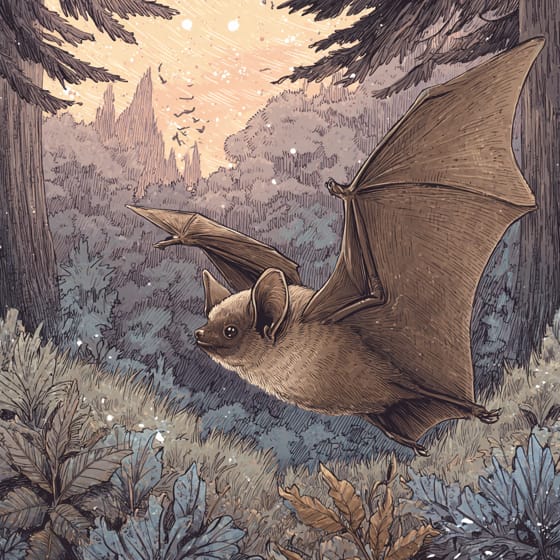
Myotis lucifugus
Bats sometimes prey on adult moths.
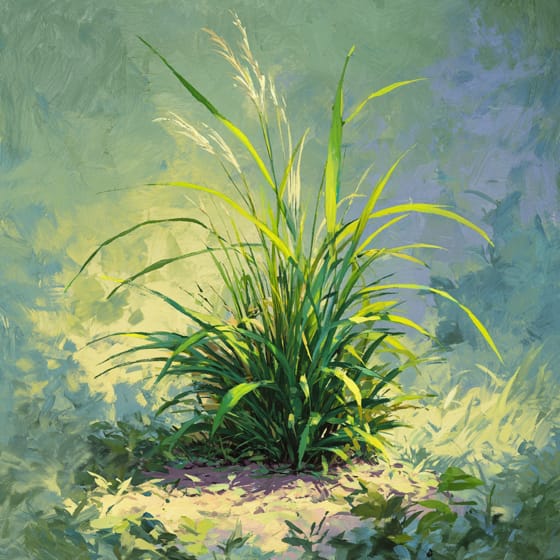
Poa pratensis
Caterpillars feed on bluegrass leaves.

Viola sororia
Caterpillars may consume violet leaves.
Apis mellifera
Moths and bees share flower nectar sources.
Solitary animals live alone for most of their lives, only interacting with others for mating or parental care.
Colorful describes organisms or objects displaying a wide range of bright and distinct colors.
Grassland habitats are terrestrial biomes dominated by grasses and herbaceous plants, supporting a variety of grazing animals.
This trait characterizes organisms whose diet consists entirely or primarily of plant material.

Describes plants that are particularly attractive and beneficial to a wide range of pollinating organisms.

Diurnal animals are primarily active during daylight hours, typically resting or sleeping at night.

Describes organisms that transfer pollen, enabling the fertilization and reproduction of plants.
No aliases listed yet.
Danger
1/5 · Very low
Moths are usually safe to watch, but it's best not to touch them.
The easiest way to identify Virginia Ctenucha Moth is to use the Snappit nature identifier app.
35-50 mm
15-20 mm
7-14 days
Adults sip nectar from flowers, while caterpillars munch on various grasses and plants.
Grasslands
Foraging
6
Zoom in to split clusters and explore where this object has been snapped.
Jun 16, 2026
WilderPhoto attribution
(c) Jason Hill, some rights reserved (CC BY)
License: CC BY 4.0 ↗
Image may be shown cropped inside the card frame.

New Hampshire, US
You might spot Eastern Red-Backed Salamander and Eastern Newt.
View guide →
.jpg)
Pennsylvania, US
You might spot Admiral Butterfly and Forest Tent Caterpillar Moth.
View guide →

Maine, US
You might spot Pink Lady's Slipper, Wood Lily, and Great Blue Heron.
View guide →

Pennsylvania, US
You might spot Steeplebush, Elk, and Eastern Newt.
View guide →

Wisconsin, US
You might spot Eastern Forktail and Brown-Belted Bumble Bee.
View guide →

Ohio, US
You might spot Canada Goose and Common Eastern Bumble Bee.
View guide →
Take the discovery with you
Snap it with Snappit to identify it, learn what makes it special, and add the discovery to your collection.






.jpg&width=800)



