





Wallace's spikemoss
Selaginella wallacei
Wallace's spikemoss is a special plant that looks like a tiny green carpet! It loves to grow in moist, shady places and has unique leaves that can curl up when it's dry.
Habitat: Rainforests
The Wallace's spikemoss is a small, mat-forming plant with delicate, scale-like leaves that tightly overlap along its creeping stems. Its vibrant green foliage often displays reddish or brownish tinges, creating a dense, carpet-like appearance on rocks or soil.
Category
PlantsRarity
Rare
Danger
1/5 · Very low
Snaps
1
Instead of flowers and seeds, Wallace's spikemoss reproduces using tiny, dust-like spores!
Its scientific name honors Alfred Russel Wallace, who co-discovered evolution!
Some ancient relatives of spikemosses grew into giant trees, like prehistoric forests!
This amazing plant is not a moss at all, but a "lycophyte," an ancient plant group!
Wallace's spikemoss can dry out completely and appear dead, then unfurl and become green again when water returns, helping it survive droughts.
It has tiny spore-producing structures at stem tips, which release dust-like spores into the wind to create new plants, helping it reproduce.
Wallace's spikemoss can form dense, mat-like cushions that spread across surfaces, helping it cover ground and compete with other small plants.
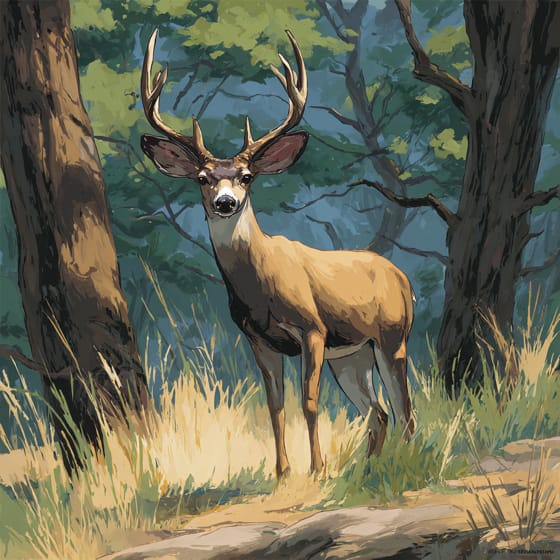
Odocoileus hemionus
provides a minor food source for browsing deer
Pterostichus californicus
provides microhabitat for small ground insects
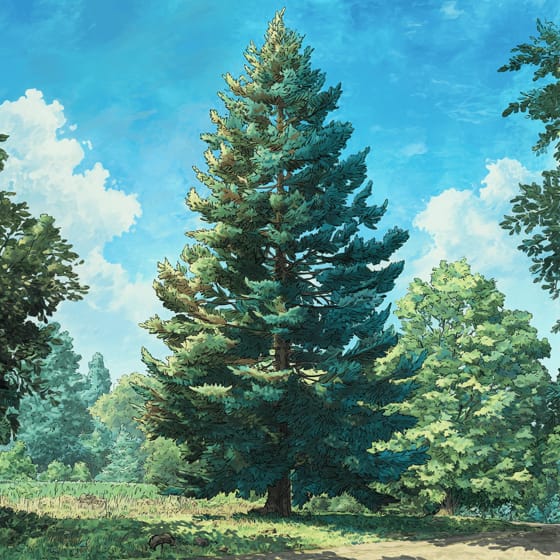
Pseudotsuga menziesii
grows in the shaded understory of conifer forests
This trait characterizes plants lacking specialized vascular tissues (xylem and phloem) for transporting water and nutrients.
Grass-like plants are herbaceous plants that visually resemble true grasses, typically having long, narrow leaves.
Shade tolerant plants are adapted to grow and thrive in areas with low light levels, requiring less direct sunlight.
Spore-producing organisms reproduce by releasing small, often single-celled, reproductive units called spores.

This trait signifies organisms belonging to a very old evolutionary group with ancestors dating back millions of years.

This habitat trait refers to species found in tropical rainforests, characterized by high annual rainfall, high biodiversity, and dense tree cover.

Endangered status indicates a species is at a very high risk of extinction in the wild in the near future.
No aliases listed yet.
Danger
1/5 · Very low
Always look but don't touch plants without asking an adult first.
The easiest way to identify Wallace's spikemoss is to use the Snappit nature identifier app.
5-15 cm
10-30 cm
No
None
Perennial
Rainforests
Zoom in to split clusters and explore where this object has been snapped.

Oregon, US
You might spot Rough-Skinned Newt and Isabella Tiger Moth.
View guide →
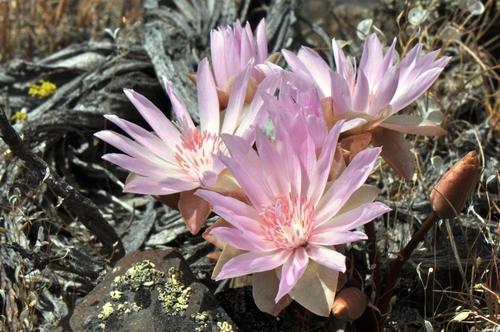
British Columbia, CA
You might spot Bitterroot, Arrowleaf Balsamroot, and Western Stoneseed.
View guide →
.jpg)
British Columbia, CA
You might spot Pacific Madrone and Shortspur Seablush.
View guide →

British Columbia, CA
You might spot Salal, Douglas Fir, and Western Rattlesnake Plantain.
View guide →
Take the discovery with you
Snap it with Snappit to identify it, learn what makes it special, and add the discovery to your collection.










.jpg&width=800)



_001.jpg&width=800)



