





Wandering Salamander
Aneides vagrans
The Wandering Salamander is a small, colorful amphibian that loves to explore its forest home. It has a smooth body and can often be found hiding under rocks or logs.
Habitat: Forests
The Wandering Salamander is a slender amphibian with a flattened head, wide mouth, and large, prominent eyes. Its skin is mottled with shades of brown, green, and yellowish-orange, often resembling lichen or moss. It has a distinctive prehensile tail.
Category
AmphibiansRarity
Common
Danger
1/5 · Very low
Snaps
1
Instead of swimming tadpoles, tiny baby salamanders hatch looking just like mini adults!
Some Wandering Salamanders can change their color slightly to match bark or moss.
These amazing climbers can even hang upside down using their special prehensile tails!
They are called 'wandering' because they climb high into trees, exploring their forest canopy home!
Wandering Salamander has a prehensile tail that helps them grip branches and climb high into trees for safety.
Wandering Salamander can climb smooth surfaces because of specialized toe pads on its feet, aiding arboreal life.
Wandering Salamander undergoes direct development, meaning miniature, fully-formed salamanders hatch from eggs.
Feasts on tiny bugs, spiders, and other small invertebrates found in its forest home.
Thamnophis sirtalis
A common predator in its forest habitat.

Cyanocitta stelleri
Forest birds sometimes prey on salamanders.
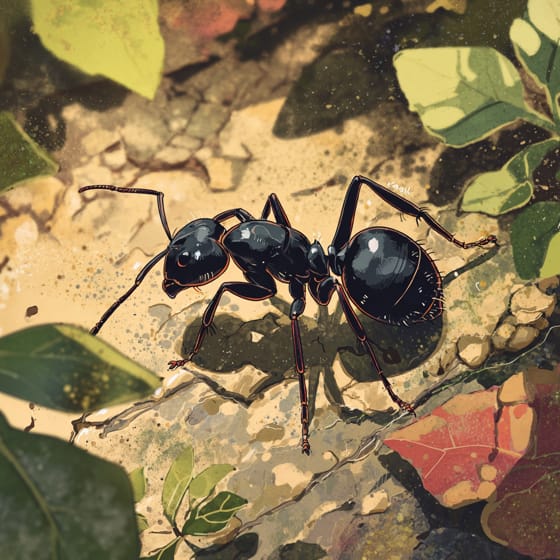
Formica fusca
A frequent meal for the salamander.
Argiope aurantia
Preys on small spiders in its habitat.
Solitary animals live alone for most of their lives, only interacting with others for mating or parental care.
Camouflaged describes organisms that possess coloring or patterns that allow them to blend into their environment.
Colorful describes organisms or objects displaying a wide range of bright and distinct colors.
This trait identifies organisms whose diet primarily consists of insects and other small invertebrates.

Describes organisms that break down dead organic material, recycling nutrients back into the ecosystem.

Forest habitats are terrestrial environments dominated by dense tree cover, supporting a high diversity of plant and animal life.

Regenerative organisms possess the ability to regrow lost or damaged body parts, tissues, or organs.

Nocturnal animals are primarily active during the nighttime hours, typically resting or sleeping during the day.

Endangered status indicates a species is at a very high risk of extinction in the wild in the near future.
No aliases listed yet.
Danger
1/5 · Very low
Always look but don't touch salamanders, as they can be delicate and need their homes to stay safe.
The easiest way to identify Wandering Salamander is to use the Snappit nature identifier app.
6-10 cm
0.003-0.008 kg
5-10 years
0.1 km/h
Feasts on tiny bugs, spiders, and other small invertebrates found in its forest home.
Forests
Foraging
Zoom in to split clusters and explore where this object has been snapped.

California, US
You might spot Pacific Banana Slug and Pacific Trillium.
View guide →
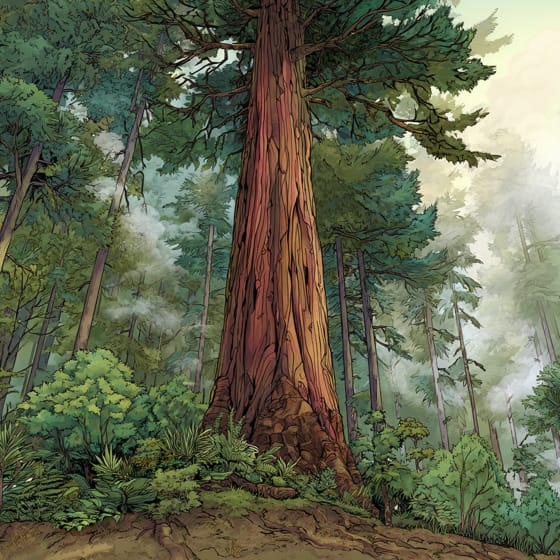
California, US
You might spot Redwood, Red Panda, and North American River Otter.
View guide →

British Columbia, CA
You might spot Canada Goose, Oregon Oak, and Barn Swallow.
View guide →
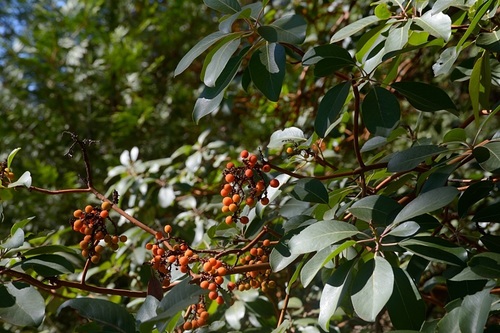
British Columbia, CA
You might spot Pacific Madrone and Western Rattlesnake Plantain.
View guide →
Take the discovery with you
Snap it with Snappit to identify it, learn what makes it special, and add the discovery to your collection.





.JPG&width=800)


.jpg&width=800)

