





Bufflehead
Bucephala albeola
The Bufflehead is a small, colorful duck known for its striking black and white feathers. They love to dive underwater to find tasty food like small fish and insects.
Habitat: Wetlands
The Bufflehead is a small, compact diving duck known for its striking black and white plumage. Males have a puffy, iridescent purple-green head with a prominent triangular white patch behind the eye. Females are dusky grey-brown with a distinct white cheek spot.
Category
BirdsRarity
Common
Danger
1/5 · Very low
Snaps
8
Buffleheads are North America's smallest diving ducks, weighing less than a soda can!
Ducklings leap from their tree-hole nests, sometimes 10 feet high, hours after hatching!
Male Buffleheads perform a funny head-pumping courtship display to attract a mate.
These ducks often reuse the same tree-hole nests each year for their ducklings.
Bufflehead can dive quickly and expertly underwater, using its powerful webbed feet to chase prey with agility.
Bufflehead has dense bones and small wings that help them dive effortlessly and swim deep in search of food.
Bufflehead can nest in old woodpecker holes, a unique adaptation that provides safe, elevated shelter for their young.
Buffleheads mainly eat small aquatic insects and crustaceans they find underwater.
Age differences: Young ducklings eat mostly insects, while adults have a more varied diet.
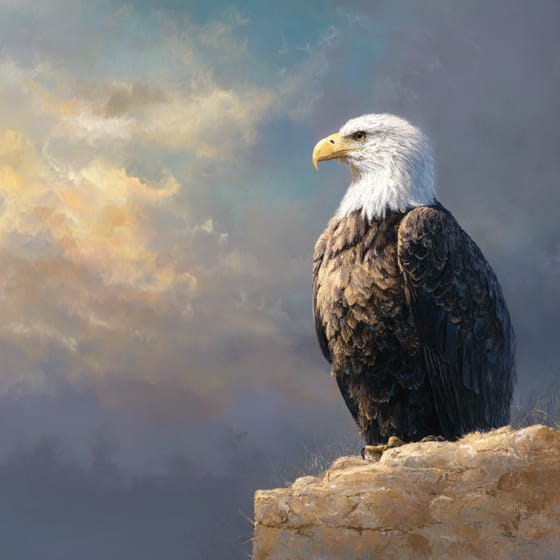
Haliaeetus leucocephalus
Adult Buffleheads can be prey for large raptors like eagles.
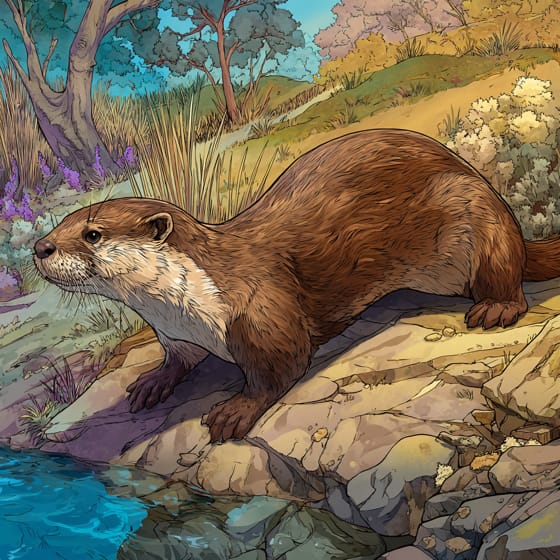
Lontra canadensis
Otters may prey on Buffleheads, especially during winter.
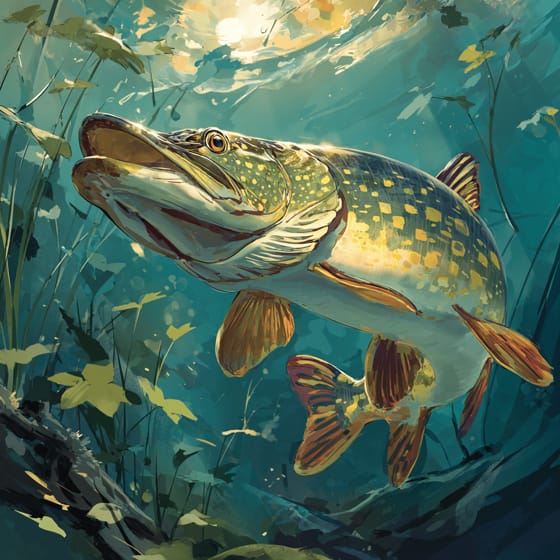
Esox lucius
Large fish can sometimes catch diving Bufflehead ducklings or adults.
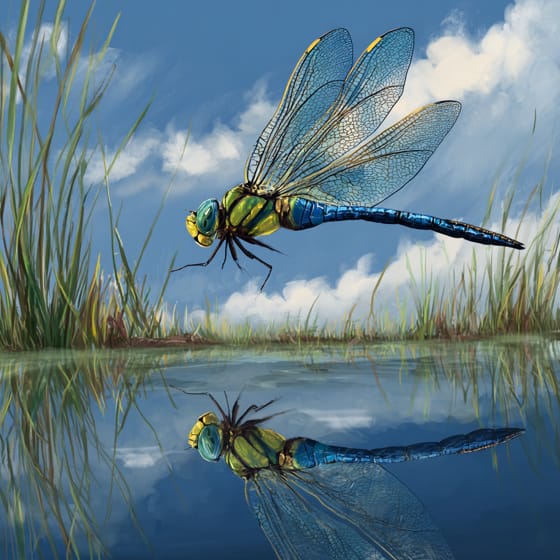
Anax imperator
Buffleheads feed on the larvae of various aquatic insects, like dragonflies.
Feathered describes animals, primarily birds, possessing a covering of feathers.
Social animals live in organized groups, cooperating for survival benefits such as foraging, defense, and raising offspring.
Colorful describes organisms or objects displaying a wide range of bright and distinct colors.
Filter feeders obtain nutrients by straining suspended food particles and small organisms from water.

This trait identifies organisms whose diet primarily consists of insects and other small invertebrates.

Piscivorous organisms are animals that primarily subsist on a diet of fish.

This habitat trait identifies species found in wetlands, which are areas of land saturated with water, either permanently or seasonally, including marshes, swamps, and bogs.

Diurnal animals are primarily active during daylight hours, typically resting or sleeping at night.

Migratory animals undertake seasonal movements from one region to another, typically in response to changes in climate or food availability.
No aliases listed yet.
Danger
1/5 · Very low
Always watch birds from a distance and don't try to touch them.
The easiest way to identify Bufflehead is to use the Snappit nature identifier app.
32-40 cm
42-55 cm
0.27-0.6 kg
1.5-12 years
77 km/h
Buffleheads mainly eat small aquatic insects and crustaceans they find underwater.
Wetlands
Zoom in to split clusters and explore where this object has been snapped.

Massachusetts, US
You might spot Common Eastern Bumble Bee and Asian Lady Beetle.
View guide →

California, US
You might spot American Avocet, Great Egret, and Snowy Egret.
View guide →

Virginia, US
You might spot Eastern Gray Squirrel, Duck, and Northern Mockingbird.
View guide →

Texas, US
You might spot Silverleaf Nightshade and Green Comet Milkweed.
View guide →

Massachusetts, US
You might spot Common Eastern Bumble Bee and Canada Goose.
View guide →

Virginia, US
You might spot Duck, Canada Goose, and Red Deadnettle.
View guide →
Take the discovery with you
Snap it with Snappit to identify it, learn what makes it special, and add the discovery to your collection.




.jpg&width=800)







