





water pennyworts
Hydrocotyle
Water pennyworts are small, round plants that grow in wet areas like ponds and marshes. They have shiny green leaves that look like little coins floating on the water!
Habitat: Wetlands
The water pennyworts has round, coin-shaped leaves that float on water or rise from wet ground. Its bright green leaves are typically notched at the base, and it produces tiny, unassuming white to greenish-white flowers in small clusters.
Category
PlantsRarity
Common
Danger
1/5 · Very low
Snaps
1
In some cultures, young water pennywort leaves are eaten in salads!
It can absorb extra nutrients from the water, acting like a natural filter!
Its leaves look like tiny green coins, inspiring its 'pennywort' name!
Some types are grown in aquariums as pretty underwater decorations.
Water pennyworts can form dense mats, creating floating islands that provide shelter for small aquatic animals.
It has special air-filled tissues (aerenchyma) in its stems, helping it float and get oxygen in muddy environments.
Water pennyworts can grow new plants from tiny stem fragments, allowing it to quickly colonize new wet areas.
Anas platyrhynchos
Waterfowl eat its leaves and seeds.
Lymnaea stagnalis
Snails graze on its soft foliage.
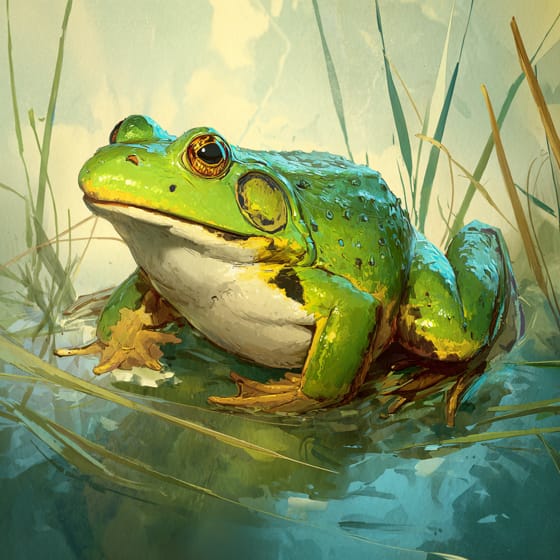
Rana clamitans
Dense mats provide hiding spots for frogs.
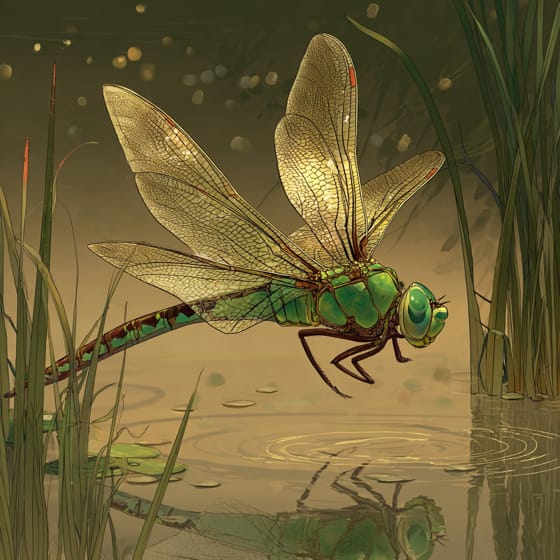
Anax junius
Nymphs hide among its submerged stems.
Flowering plants are any plants that produce flowers as part of their reproductive cycle.
Ornamental plants are cultivated primarily for their aesthetic appeal, enhancing landscapes and gardens with their attractive foliage, flowers, or form.
Edible plants are those parts of a plant that are considered safe for human consumption.
Describes plants that are particularly attractive and beneficial to a wide range of pollinating organisms.

This habitat trait identifies species found in wetlands, which are areas of land saturated with water, either permanently or seasonally, including marshes, swamps, and bogs.

Freshwater habitats include non-saline aquatic environments such as rivers, lakes, ponds, and wetlands, vital for numerous species.

Aquatic habitats encompass environments where organisms live predominantly in water, including oceans, rivers, lakes, and wetlands.
No aliases listed yet.
Danger
1/5 · Very low
Always wash your hands after touching plants, just to be safe!
The easiest way to identify water pennyworts is to use the Snappit nature identifier app.
5-20 cm
30-100 cm
0.1-0.3 cm
Late spring to fall
Yes
None
Perennial
Zoom in to split clusters and explore where this object has been snapped.

Georgia, US
You might spot Baldcypress, Anole, and American Alligator.
View guide →
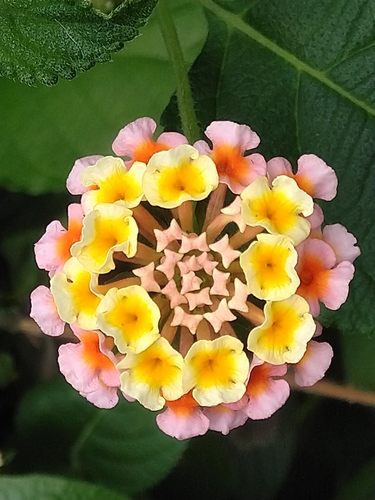
Florida, US
You might spot Lantanas, Water Pennyworts, and Common Purslane.
View guide →
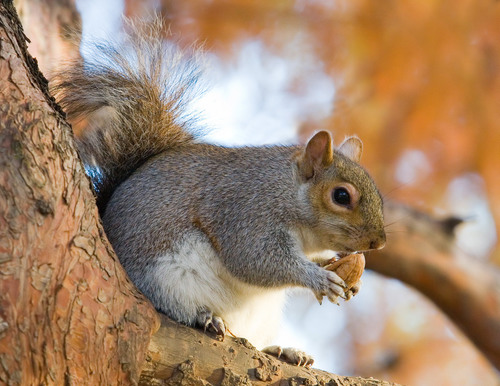
Florida, US
You might spot Eastern Gray Squirrel and Southern Live Oak.
View guide →
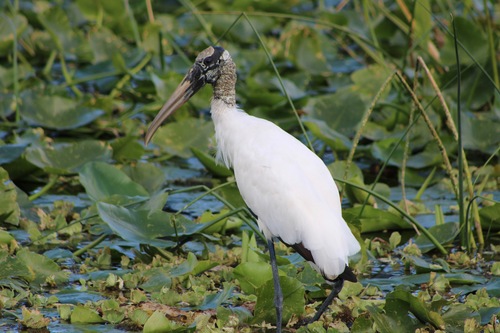
Florida, US
You might spot Wood Stork, Brown Anole, and Taro.
View guide →
Take the discovery with you
Snap it with Snappit to identify it, learn what makes it special, and add the discovery to your collection.








.jpg&width=800)



_001.jpg&width=800)



