





Western Bunchberry
Cornus unalaschkensis
Western Bunchberry is a small plant that grows in cool, shady places. It has pretty white flowers that look like stars and bright red berries that birds love to eat!
Habitat: Forests
The Western Bunchberry is a low-growing plant with dark green leaves arranged in a distinctive whorl. Its true, tiny green flowers are surrounded by four showy, pure white bracts that resemble petals. These later give way to a tight cluster of bright red, marble-sized berries.
Category
PlantsRarity
Common
Danger
1/5 · Very low
Snaps
5
In autumn, Western Bunchberry leaves transform into stunning shades of red and purple!
Its "flowers" are actually fancy white leaves called bracts, attracting pollinators!
The tiny true flowers launch pollen like miniature catapults in a speedy burst!
When ripe, its bright red berries gather in a tight, festive cluster, resembling a tiny bouquet.
Western Bunchberry has adapted to thrive in cool, moist, shaded forest understories where many plants struggle.
Western Bunchberry can spread extensively underground using rhizomes, forming large patches on the forest floor.
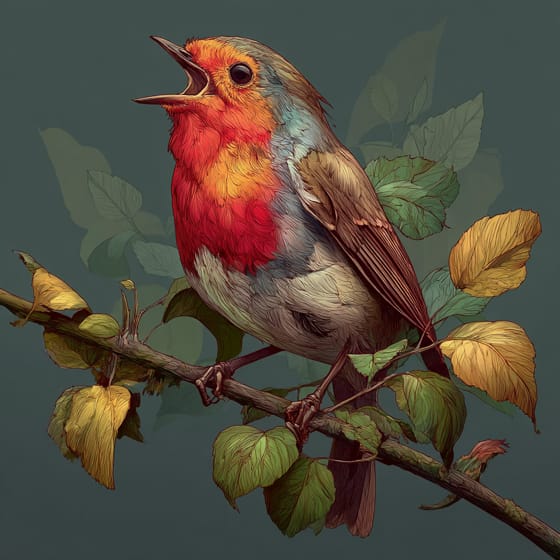
Turdus migratorius
Robins feed on its bright red berries.
Ursus americanus
Bears forage for its berries in late summer.
Bombus occidentalis
Bumble bees are key pollinators for its unique flowers.
Deciduous plants periodically shed all their leaves, typically during autumn or dry seasons.
Flowering plants are any plants that produce flowers as part of their reproductive cycle.
Cluster flowers are inflorescences where individual flowers are arranged closely together on a common stem.
Shade tolerant plants are adapted to grow and thrive in areas with low light levels, requiring less direct sunlight.

Fruit-bearing plants produce fruits, which are the mature ovaries of flowering plants containing seeds.

Edible plants are those parts of a plant that are considered safe for human consumption.

Describes plants that are particularly attractive and beneficial to a wide range of pollinating organisms.

Rapid growing plants exhibit accelerated growth rates, quickly increasing in size and biomass within a short period.

Forest habitats are terrestrial environments dominated by dense tree cover, supporting a high diversity of plant and animal life.
No aliases listed yet.
Danger
1/5 · Very low
Always ask an adult before picking any berries or plants.
The easiest way to identify Western Bunchberry is to use the Snappit nature identifier app.
5-20 cm
30-100 cm
2-4 cm
Late spring to early summer
Yes
Mild
Perennial
Zoom in to split clusters and explore where this object has been snapped.
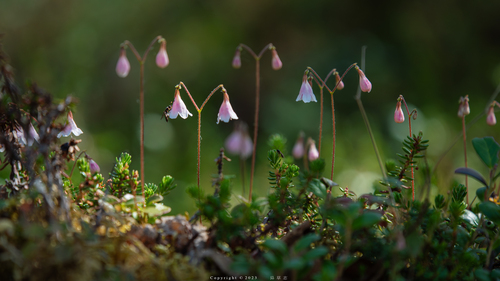
British Columbia, CA
You might spot Twinflower and Western Rattlesnake Plantain.
View guide →

US
You might spot Salal, Ochre Sea Star, and Leather Star.
View guide →

US
You might spot Common Raven, Bald Eagle, and Salmonberry.
View guide →

Alaska, US
You might spot Brown Bear, American Beaver, and Arctic Raspberry.
View guide →
Alaska, US
You might spot Brown Bear, American Beaver, and Arctic Raspberry.
View guide →
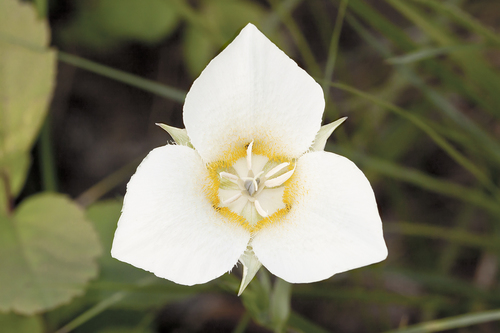
Montana, US
You might spot Baker's Mariposa Lily and Columbian Monkshood.
View guide →
Take the discovery with you
Snap it with Snappit to identify it, learn what makes it special, and add the discovery to your collection.





.jpg&width=800)



_001.jpg&width=800)


