





Western Moles
Scapanus
Western moles are small, furry animals that dig tunnels underground. They have big front paws that help them move quickly through the soil, making them great at finding food like worms and insects.
Habitat: Grasslands
The Western Mole has a stocky, cylindrical body covered in soft, velvety dark gray to brownish-black fur. It possesses large, paddle-like front feet with strong claws, perfectly adapted for digging. Its eyes are tiny and almost hidden, with no visible external ears, and a short, thick, nearly naked tail.
Category
MammalsRarity
Common
Danger
1/5 · Very low
Snaps
Be the first to snap!
A Western Mole can tunnel up to 5 meters (16 feet) in one hour!
Moles are excellent swimmers and can cross small streams.
Their fur is so fine it doesn't get dirty even when covered in mud.
They create intricate tunnel networks that can stretch for acres.
Western Moles have huge, spade-like forepaws because of powerful muscles that help them dig tunnels faster than you can imagine.
Western Moles has unique fur that can lay flat in any direction, allowing them to move forward or backward through tight tunnels without getting stuck.
Western Moles can 'see' with their nose using special Eimer's organs that help them detect tiny vibrations and food underground.
Western Moles has special blood adaptations that help them breathe easily in low-oxygen tunnels deep underground.
Western Moles are amazing underground hunters, mainly eating earthworms and other creepy crawlies.
Lumbricus terrestris
Main food source found by tunneling
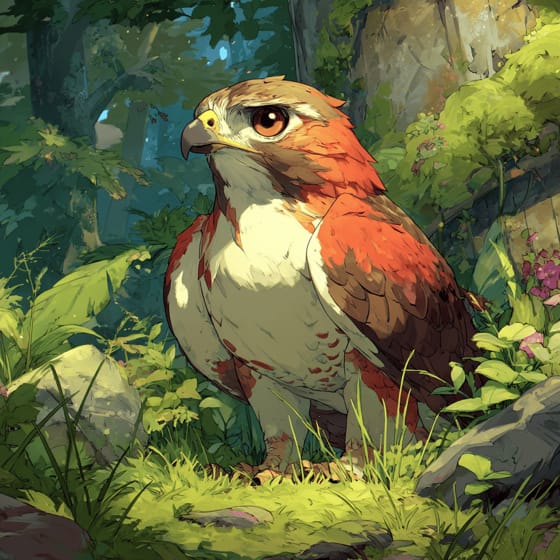
Buteo jamaicensis
Hunts moles when they surface
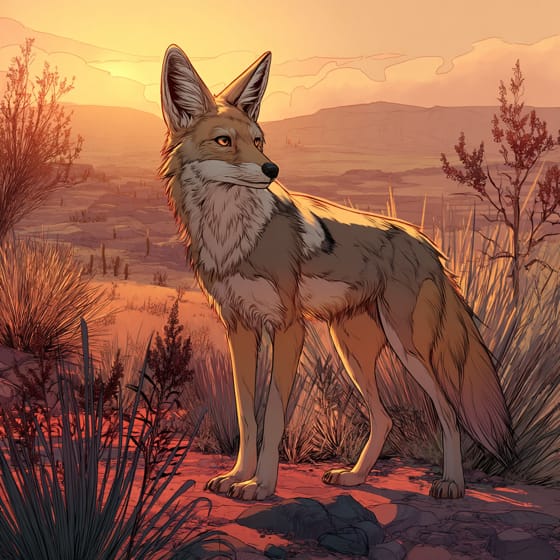
Canis latrans
Digs up moles from their tunnels

Mustela frenata
Can enter mole tunnels to hunt
Furry describes animals possessing a dense covering of soft hair or fur.
Solitary animals live alone for most of their lives, only interacting with others for mating or parental care.
Burrowing animals dig tunnels and chambers in the ground, using these subterranean structures for shelter, hunting, or breeding.
Grassland habitats are terrestrial biomes dominated by grasses and herbaceous plants, supporting a variety of grazing animals.

This trait identifies organisms whose diet primarily consists of insects and other small invertebrates.

This trait identifies organisms that exhibit exceptional swiftness in movement for hunting, escape, or travel.

Nocturnal animals are primarily active during the nighttime hours, typically resting or sleeping during the day.
No aliases listed yet.
Danger
1/5 · Very low
Moles are shy and prefer to stay underground, so it's best to leave them alone.
The easiest way to identify Western Moles is to use the Snappit nature identifier app.
12-22 cm
0.05-0.25 kg
3-6 years
2 km/h
Western Moles are amazing underground hunters, mainly eating earthworms and other creepy crawlies.
Grasslands
Foraging
Zoom in to split clusters and explore where this object has been snapped.
Recent snaps will appear here as new observations are added.
Take the discovery with you
Snap it with Snappit to identify it, learn what makes it special, and add the discovery to your collection.





.jpg&width=800)



.JPG&width=800)

.jpg&width=800)
