.JPG&width=800)





Western Skink
Plestiodon skiltonianus
The Western Skink is a shiny, blue-tailed lizard that loves to bask in the sun! They are quick and can often be seen darting through grass and rocks.
Habitat: Grasslands
The Western Skink has a sleek, shiny body with a pointed snout. Adults are brown or gray with two light stripes down their back, while juveniles often boast a striking bright blue tail. These features help distinguish them from other lizards.
Category
ReptilesRarity
Common
Danger
1/5 · Very low
Snaps
1
A mother skink wraps her body around her eggs to keep them safe!
Baby skinks have super shiny blue tails that alert predators to stay away!
Skinks can shed their entire skin in one big piece, like a stretchy sock!
They use their tongues to 'taste' the air and understand their surroundings!
Western Skink has attentive parenting because the mother guards her eggs to protect them from predators until they hatch.
Western Skink has excellent camouflage with stripes because it helps them blend into rocky and grassy environments to hide from danger.
These little lizards hunt and eat all sorts of small bugs and spiders.
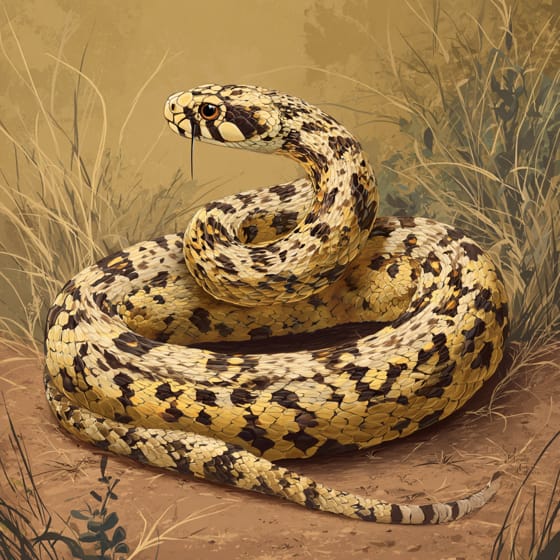
Pituophis catenifer
A common predator in its habitat.
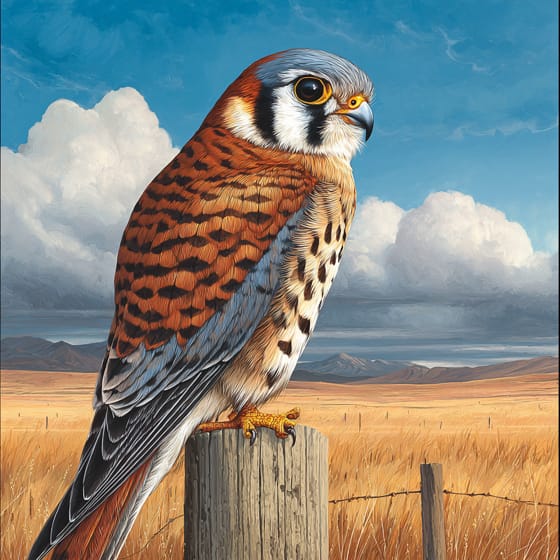
Falco sparverius
This small falcon hunts skinks.
Thamnophis sirtalis
A snake that preys on lizards.
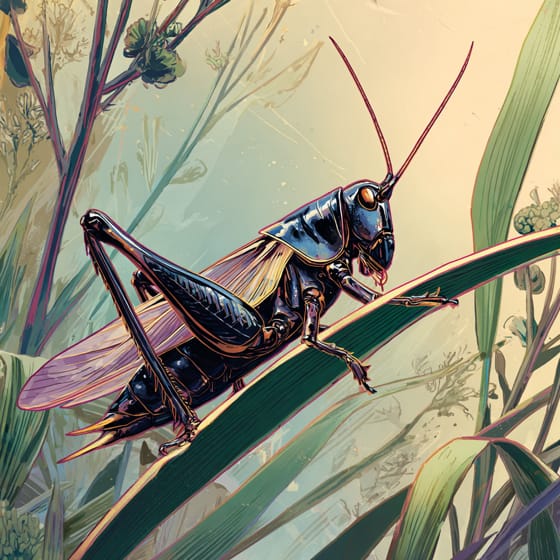
Gryllus assimilis
Often preys on crickets.

Schistocerca nitens
Actively hunts grasshoppers.
Solitary animals live alone for most of their lives, only interacting with others for mating or parental care.
Camouflaged describes organisms that possess coloring or patterns that allow them to blend into their environment.
Colorful describes organisms or objects displaying a wide range of bright and distinct colors.
Grassland habitats are terrestrial biomes dominated by grasses and herbaceous plants, supporting a variety of grazing animals.

This trait identifies organisms whose diet primarily consists of insects and other small invertebrates.

Diurnal animals are primarily active during daylight hours, typically resting or sleeping at night.
Regenerative organisms possess the ability to regrow lost or damaged body parts, tissues, or organs.

This trait identifies organisms that exhibit exceptional swiftness in movement for hunting, escape, or travel.
No aliases listed yet.
Danger
1/5 · Very low
If you see a skink, watch it from a distance and don't try to catch it.
The easiest way to identify Western Skink is to use the Snappit nature identifier app.
13-22 cm
0.002-0.01 kg
6-10 years
12 km/h
These little lizards hunt and eat all sorts of small bugs and spiders.
Grasslands
Foraging
Zoom in to split clusters and explore where this object has been snapped.

California, US
You might spot Pipevine Swallowtail and Western Fence Lizard.
View guide →

California, US
You might spot Field Bindweed, Charlock, and Figeater Beetle.
View guide →

California, US
You might spot Pacific Hound's Tongue, Pacific Trillium, and Redwood.
View guide →
British Columbia, CA
You might spot Ocean Spray, Rocky Mountain Woodsia, and Prairie Smoke.
View guide →
Take the discovery with you
Snap it with Snappit to identify it, learn what makes it special, and add the discovery to your collection.












