





Western Screech-Owl
Megascops kennicottii
The Western Screech-Owl is a small, cute owl that loves to hide in trees. They are great at blending in with their surroundings and are mostly active at night, making soft hooting sounds.
Habitat: Forests
The Western Screech-Owl is a small, stocky owl with cryptic plumage, appearing in grey-brown or reddish-brown color morphs. Its feathers are heavily streaked and barred, mimicking tree bark. It has bright yellow eyes, a small bill, and subtle ear tufts, allowing it to blend seamlessly into its surroundings.
Category
BirdsRarity
Common
Danger
1/5 · Very low
Snaps
7
Some Western Screech-Owls make their homes inside giant cacti!
Their unique call sounds like a bouncing ping-pong ball.
They can swallow small prey, like mice, completely whole!
They often nest in old abandoned woodpecker holes!
Western Screech-Owls can blend perfectly with tree bark because their mottled feathers provide exceptional camouflage, helping them ambush prey unnoticed.
Western Screech-Owls have specialized feather fringes that help them fly almost silently, allowing them to surprise unsuspecting prey.
Western Screech-Owls possess large, forward-facing yellow eyes that help them see incredibly well in very low light conditions to hunt at night.
Western Screech-Owls can pinpoint prey in total darkness because their asymmetrical ear openings help them accurately locate sounds.
These tiny nocturnal hunters feast on small mammals, insects, and other small creatures of the night.
Age differences: Young owls eat more insects, while adults expand to larger prey like small mammals.
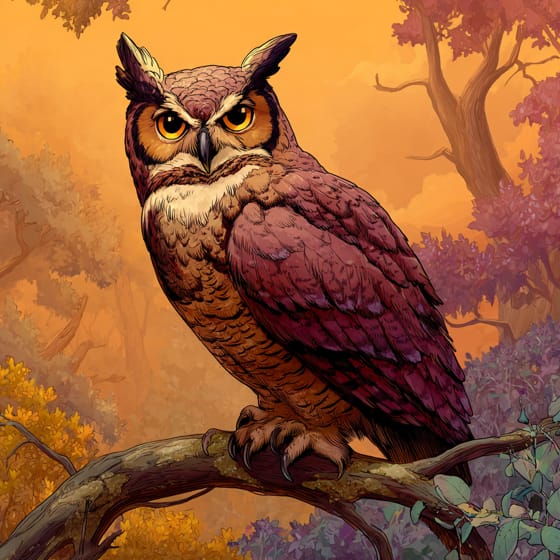
Bubo virginianus
A significant predator of smaller owls.
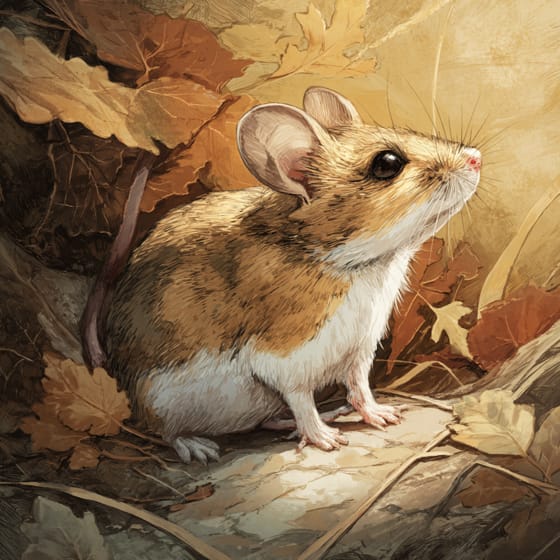
Peromyscus maniculatus
A common small mammal prey item.
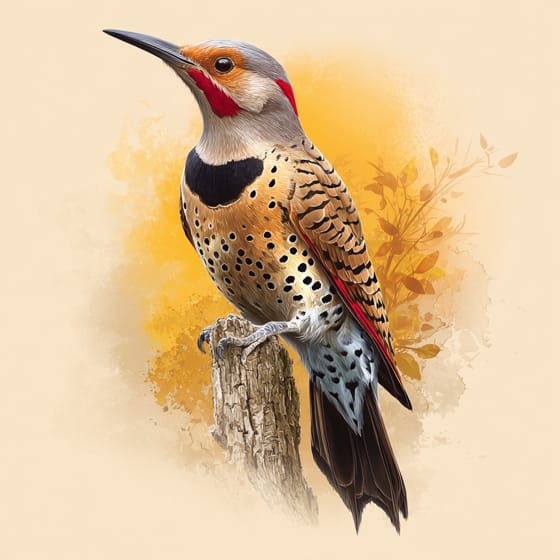
Colaptes auratus
Uses old flicker-excavated tree cavities for nesting.
.jpg&width=800)
Microtus californicus
Voles are a key part of their diet.
Feathered describes animals, primarily birds, possessing a covering of feathers.
Solitary animals live alone for most of their lives, only interacting with others for mating or parental care.
Camouflaged describes organisms that possess coloring or patterns that allow them to blend into their environment.
This trait identifies organisms whose diet primarily consists of insects and other small invertebrates.

An ambush predator hunts by patiently waiting and concealing itself, then launching a sudden attack when unsuspecting prey comes within range.

Forest habitats are terrestrial environments dominated by dense tree cover, supporting a high diversity of plant and animal life.

This trait identifies organisms whose diet consists entirely or primarily of animal tissue.

Nocturnal animals are primarily active during the nighttime hours, typically resting or sleeping during the day.
No aliases listed yet.
Danger
1/5 · Very low
If you see an owl, watch quietly from a distance. They are wild animals and should not be touched.
The easiest way to identify Western Screech-Owl is to use the Snappit nature identifier app.
19-25 cm
43-61 cm
0.07-0.25 kg
8-10 years
50 km/h
These tiny nocturnal hunters feast on small mammals, insects, and other small creatures of the night.
Forests
Zoom in to split clusters and explore where this object has been snapped.

New Mexico, US
You might spot Duck, Greater Roadrunner, and American Robin.
View guide →

Oregon, US
You might spot Mule Deer, Song Sparrow, and Northern Yellow Warbler.
View guide →

Nevada, US
You might spot Engelmann's Hedgehog Cactus.
View guide →

California, US
You might spot Mount Diablo Fairy-Lantern and Western Fence Lizard.
View guide →

Colorado, US
You might spot Mule Deer, Woodhouse's Scrub-Jay, and Black-Billed Magpie.
View guide →

California, US
You might spot Sonoma Sage, White Globe Lily, and Mute Swan.
View guide →
Take the discovery with you
Snap it with Snappit to identify it, learn what makes it special, and add the discovery to your collection.




.jpg&width=800)






