.jpg&width=800)





Western Tent Caterpillar Moth
Malacosoma californica
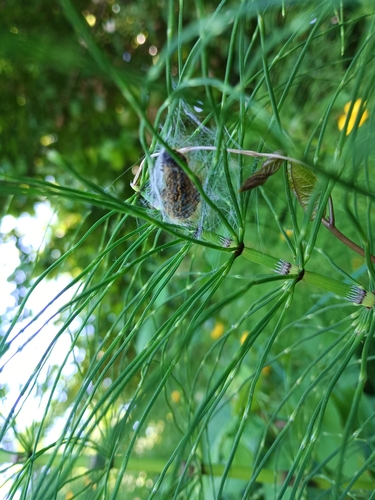
The Western Tent Caterpillar Moth is a fluffy, colorful moth that comes out in spring. It starts as a caterpillar that lives in tents made of silk in trees. These moths are fun to watch as they flutter around!
Habitat: Forests
The Western Tent Caterpillar Moth has a furry, pale brownish-yellow body and forewings mottled with shades of tan and brown. Distinctive zigzag or diagonal cream-colored bands cross each forewing, often outlined in darker brown, differentiating it from similar moths.
Category
InsectsRarity
Common
Danger
1/5 · Very low
Snaps
3
Adult moths have no mouthparts and cannot eat, living only to mate and lay eggs!
Female moths use special scents called pheromones to attract males from far away at night.
If you touch a caterpillar, it might twitch and regurgitate a bad-tasting liquid to scare you off!
Its caterpillars are so hungry they can completely strip a tree of its leaves!
Western Tent Caterpillar Moths have mottled brown wings that help them blend seamlessly into tree bark, avoiding predators.
This species' larvae can build large silk tents that shelter them from weather and predators, keeping them safe.
Female moths lay eggs covered in a hardened foam that protects the future caterpillars from cold and hungry creatures.
Its caterpillars munch on tree leaves, while the adult moths do not eat at all!
Age differences: Larvae are voracious leaf-eaters, but adult moths do not feed, relying on energy reserves from their caterpillar stage.

Prunus virginiana
Larvae consume leaves from this shrub.
Salix scouleriana
Caterpillars feed on the foliage.

Cyanocitta stelleri
Birds like jays prey on both stages.
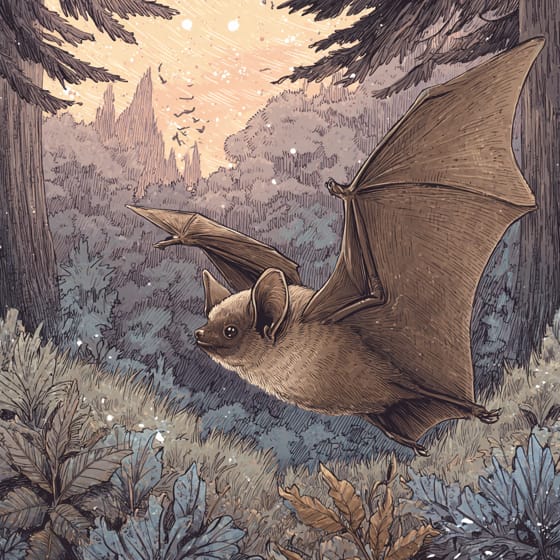
Myotis lucifugus
Bats hunt adult moths.
Compsilura concinnata
Parasitic flies lay eggs on caterpillars.
Furry describes animals possessing a dense covering of soft hair or fur.
Social animals live in organized groups, cooperating for survival benefits such as foraging, defense, and raising offspring.
Colorful describes organisms or objects displaying a wide range of bright and distinct colors.
This trait characterizes organisms whose diet consists entirely or primarily of plant material.

Describes organisms that break down dead organic material, recycling nutrients back into the ecosystem.

Forest habitats are terrestrial environments dominated by dense tree cover, supporting a high diversity of plant and animal life.

Diurnal animals are primarily active during daylight hours, typically resting or sleeping at night.

Describes organisms that transfer pollen, enabling the fertilization and reproduction of plants.
No aliases listed yet.
Danger
1/5 · Very low
It's best to watch these moths from a distance and not touch them.
The easiest way to identify Western Tent Caterpillar Moth is to use the Snappit nature identifier app.
25-45 mm
15-20 mm
5-10 days
8 km/h
Its caterpillars munch on tree leaves, while the adult moths do not eat at all!
Forests
Foraging
Zoom in to split clusters and explore where this object has been snapped.
Jun 8, 2025
FairhavenPhoto attribution
(c) Seb H, some rights reserved (CC BY)
License: CC BY 4.0 ↗
Image may be shown cropped inside the card frame.

Washington, US
You might spot Bigleaf Maple, Mule Deer, and Oregon Grape.
View guide →
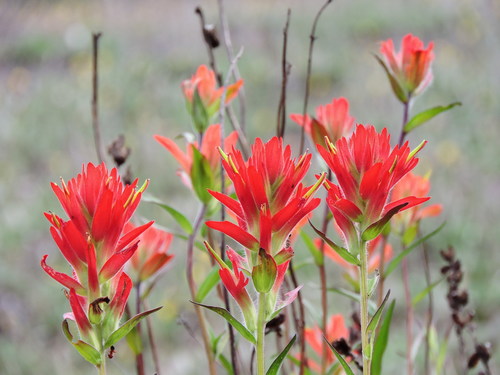
British Columbia, CA
You might spot Giant Red Paintbrush, Lupines, and Broadleaf Arnica.
View guide →

Montana, US
You might spot Black Bear, Moose, and Lodgepole Pine.
View guide →

Wyoming, US
You might spot Elk, Killdeer, and Black-Billed Magpie.
View guide →

Montana, US
You might spot Moose, Common Beargrass, and Thimbleberry.
View guide →

British Columbia, CA
You might spot Broad-Leaved Stonecrop, Harbor Seal, and Ochre Sea Star.
View guide →
Take the discovery with you
Snap it with Snappit to identify it, learn what makes it special, and add the discovery to your collection.






.jpg&width=800)


