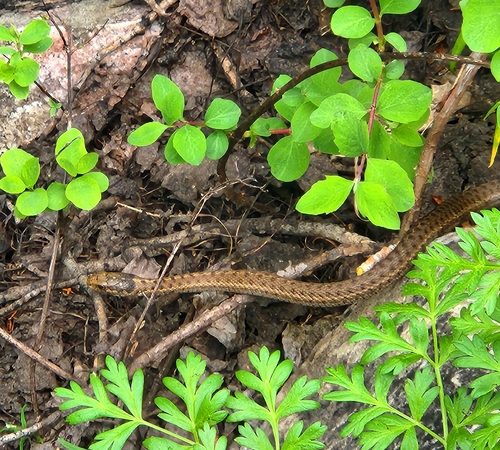




Western Terrestrial Garter Snake
Thamnophis elegans
The Western Terrestrial Garter Snake is a friendly snake that loves to slither through grass and bushes. They are often seen basking in the sun and are great at catching small bugs and frogs.
Habitat: Grasslands
The Western Terrestrial Garter Snake has a slender body, often brown, grey, or olive, with a distinctive yellow or orange stripe down its back. It may also display two lighter side stripes and black spots between the stripes, giving it a checkered look.
Category
ReptilesRarity
Common
Danger
1/5 · Very low
Snaps
20
They can sometimes gather in huge groups, hundreds of snakes, to stay warm!
They give birth to live babies, not eggs, just like some mammals!
This snake has tiny, mild venom, but it is harmless to humans.
When scared, they sometimes 'play dead' to trick predators into leaving them alone.
Western Terrestrial Garter Snake can release a foul-smelling musk from glands near its vent that helps them deter predators when feeling threatened.
Western Terrestrial Garter Snake has a streamlined body and powerful tail that helps them quickly swim and hunt in aquatic environments.
Western Terrestrial Garter Snake can deliver mild venom through grooved teeth that helps them subdue small prey before swallowing.
This snake munches on a variety of small animals, especially amphibians and fish!

Anaxyrus boreas
Juvenile toads are a common meal for garter snakes.
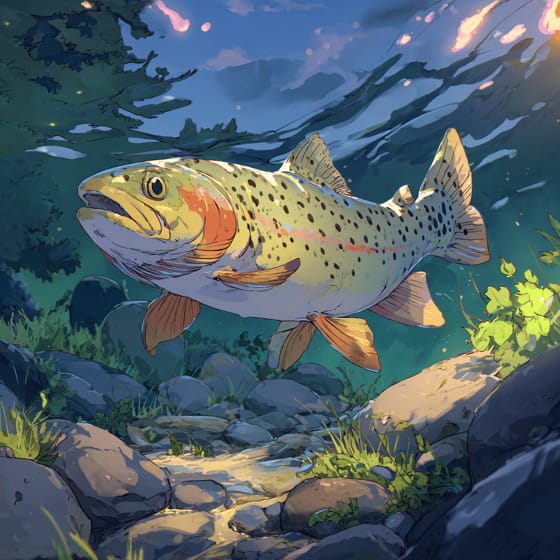
Oncorhynchus mykiss
Young trout in shallow water are easy prey.
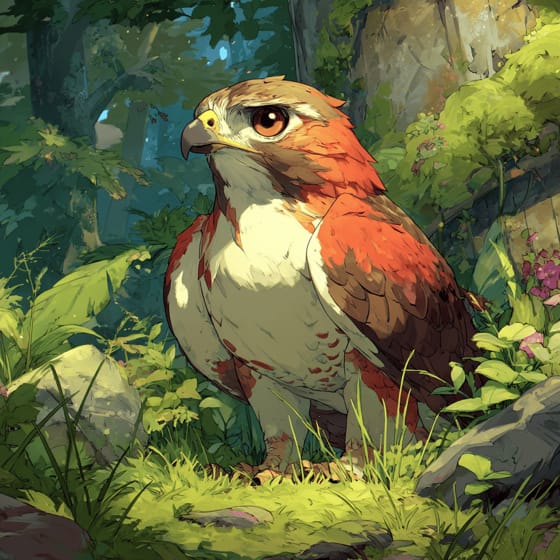
Buteo jamaicensis
Hawks grab snakes from above as a regular food source.

Procyon lotor
Opportunistic raccoons will hunt for snakes near water.
Marked with parallel bands or lines of color.
Solitary animals live alone for most of their lives, only interacting with others for mating or parental care.
Camouflaged describes organisms that possess coloring or patterns that allow them to blend into their environment.
Grassland habitats are terrestrial biomes dominated by grasses and herbaceous plants, supporting a variety of grazing animals.

This trait identifies organisms whose diet primarily consists of insects and other small invertebrates.

Diurnal animals are primarily active during daylight hours, typically resting or sleeping at night.
No aliases listed yet.
Danger
1/5 · Very low
If you see a snake, it's best to watch from a distance and not touch it.
The easiest way to identify Western Terrestrial Garter Snake is to use the Snappit nature identifier app.
46-100 cm
0.05-0.3 kg
6-10 years
2 km/h
This snake munches on a variety of small animals, especially amphibians and fish!
0.8 km/h
Grasslands
Zoom in to split clusters and explore where this object has been snapped.
Jul 2, 2023
Johnson Lake Mine Historic DistrictPhoto attribution
(c) Cristhian Mace, some rights reserved (CC BY)
License: CC BY 4.0 ↗
Image may be shown cropped inside the card frame.

Montana, US
You might spot Bighorn Sheep and Mountain Goat.
View guide →

Wyoming, US
You might spot Elk, American White Pelican, and Arrowleaf Balsamroot.
View guide →

California, US
You might spot Greasewood, Osprey, and Alkali Fly.
View guide →

California, US
You might spot Mule Deer, Turkey, and Duck.
View guide →

British Columbia, CA
You might spot Western Rattlesnake Plantain and Shinyleaf Meadowsweet.
View guide →

Utah, US
You might spot Great White Shark and Gentoo Penguin.
View guide →
Take the discovery with you
Snap it with Snappit to identify it, learn what makes it special, and add the discovery to your collection.