





White-lined Sphinx
Hyles lineata
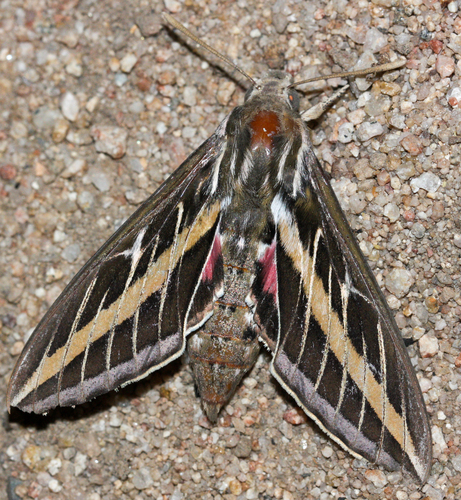
The White-lined Sphinx is a colorful moth that looks like a hummingbird when it flies! It has beautiful stripes and loves to sip nectar from flowers during the day.
Habitat: Gardens and meadows
The White-lined Sphinx has an olive-brown body and forewings marked with a striking white stripe and prominent veins. Its hindwings are a vibrant pinkish-red, bordered in black. This distinct coloration makes it easy to identify even during its fast, hovering flight.
Category
InsectsRarity
Common
Danger
1/5 · Very low
Snaps
54
If threatened, the caterpillar can squirt green liquid to surprise predators!
Its fuzzy body and rapid wing beats make a humming sound you can actually hear!
Massive caterpillar outbreaks can strip plants bare, marching together to find more food!
These moths can travel hundreds of miles, flying south for winter like birds!
White-lined Sphinx can hover perfectly still in mid-air because of powerful wing beats, helping them drink nectar while flying.
White-lined Sphinx has an extra-long proboscis that helps them reach sweet nectar deep inside tubular flowers.
White-lined Sphinx can fly at incredible speeds, helping them evade predators and cover vast distances quickly.
Adults sip sweet flower nectar; caterpillars munch on plant leaves.
Age differences: Caterpillars eat plant leaves, but adults drink only flower nectar.
Mirabilis multiflora
Carries pollen between its deep, tubular flowers.
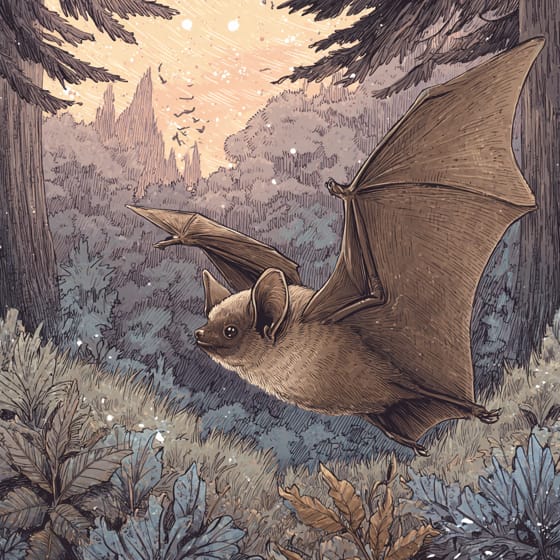
Myotis lucifugus
Hunted by this bat during its nighttime flights.

Portulaca oleracea
Caterpillars feed on the leaves of this common plant.
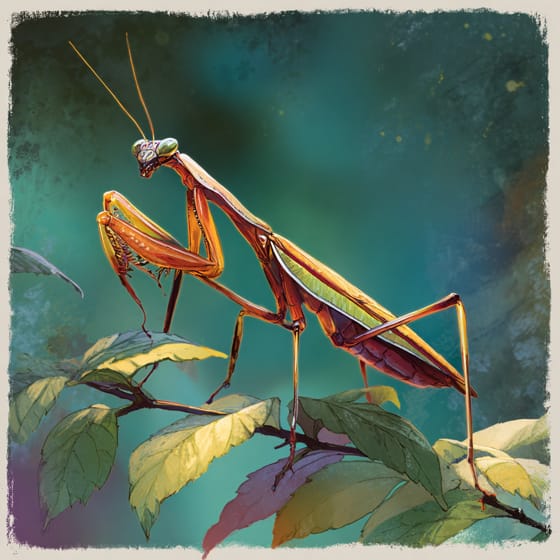
Mantis religiosa
A predator of both adult moths and caterpillars.
Marked with parallel bands or lines of color.
Solitary animals live alone for most of their lives, only interacting with others for mating or parental care.
Aerial creatures spend a significant portion of their lives airborne, utilizing flight for various activities such as hunting, migration, or nesting.
Colorful describes organisms or objects displaying a wide range of bright and distinct colors.

This trait characterizes organisms whose diet consists entirely or primarily of plant material.

Diurnal animals are primarily active during daylight hours, typically resting or sleeping at night.

Migratory animals undertake seasonal movements from one region to another, typically in response to changes in climate or food availability.

Describes organisms that transfer pollen, enabling the fertilization and reproduction of plants.
Danger
1/5 · Very low
Don't touch moths or insects you find outside; just watch them from a distance!
The easiest way to identify White-lined Sphinx is to use the Snappit nature identifier app.
70-90 mm
25-35 mm
7-30 days
30 km/h
Adults sip sweet flower nectar; caterpillars munch on plant leaves.
Gardens and meadows
Foraging
Zoom in to split clusters and explore where this object has been snapped.
May 8, 2026
Madera CanyonPhoto attribution
(c) Andrew Meeds, some rights reserved (CC BY)
License: CC BY 4.0 ↗
Image may be shown cropped inside the card frame.

Oregon, US
You might spot Duck, Pacific Trillium, and Wood Duck.
View guide →

California, US
You might spot Monarch, Bee, and Anise Swallowtail.
View guide →

Oklahoma, US
You might spot Western Ratsnake and Spotted Chorus Frog.
View guide →

South Dakota, US
You might spot Duck, Canada Goose, and Thirteen-Lined Ground Squirrel.
View guide →
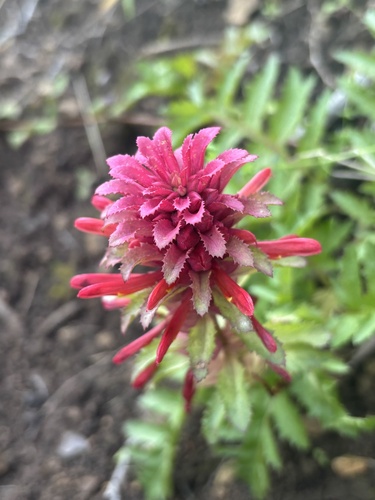
California, US
You might spot Warrior's Plume, Western Leatherwood, and White Globe Lily.
View guide →

California, US
You might spot Greasewood, Osprey, and Alkali Fly.
View guide →
Take the discovery with you
Snap it with Snappit to identify it, learn what makes it special, and add the discovery to your collection.







.jpg&width=800)



