Turkey

Madera Canyon offers a spectacular escape into a "sky island" ecosystem, renowned for its incredible biodiversity and serene mountain landscapes.
Madera Canyon offers a spectacular escape into a "sky island" ecosystem, renowned for its incredible biodiversity and serene mountain landscapes. This cherished natural area, nestled in Arizona's Santa Rita Mountains, is a premier destination for birdwatching, hiking, and reconnecting with nature. Its unique elevation changes create diverse habitats, from desert grasslands to pine-oak forests, fostering an astonishing array of flora and fauna.
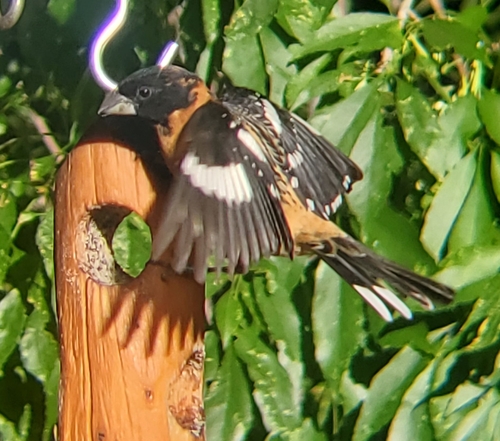
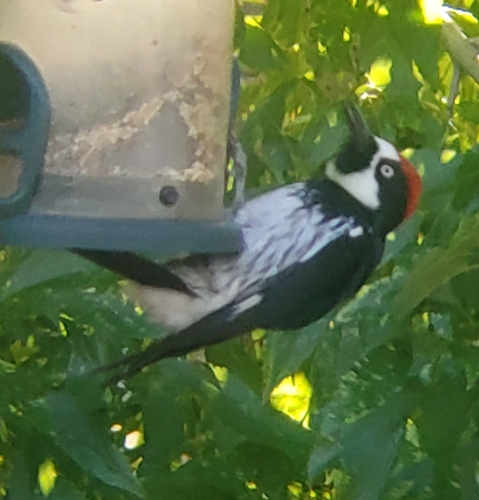
The canyon is particularly famous as a birding hotspot, attracting over 250 species, including 15 types of hummingbirds and highly sought-after rarities like the Elegant Trogon and Elf Owl. Visitors can explore over 100 miles of trails, winding past Arizona Sycamores and through various life zones, offering opportunities to spot diverse wildlife such as white-tailed deer, coatis, and wild turkeys. The Santa Rita Lodge's bird-viewing area provides an exceptional chance to observe many of these species up close at feeders.
Whether you seek challenging mountain hikes, accessible nature walks, or the thrill of encountering rare avian species, Madera Canyon promises a memorable outdoor adventure. Its cooler temperatures provide a welcome respite from the desert heat, making it an ideal year-round destination for photographers, naturalists, and anyone looking to immerse themselves in the beauty of Southern Arizona's wilderness. Take the ultimate field guide with you: use the Snappit app to identify birds, plants, and animals on your trip.
The Santa Rita Mountains, where Madera Canyon is located, were historically a mining area, with many prospectors arriving in the early 1900s. In 1905, Madera Canyon and the Santa Rita Mountains became a significant part of the National Forest System. Wealthy businessmen leased land from the Forest Service in 1911 to build cabins, and by the 1920s, the canyon had become a popular summer destination, leading to the development of a road and trail system. The canyon was originally named White House Canyon, after a prominent white adobe house built there in the late 19th century, a name still occasionally used by locals.
Hike the Madera Creek Trail for a scenic, waterside experience, or challenge yourself on the steep trails to Mount Wrightson for panoramic views.
* Spend time at the Santa Rita Lodge to photograph hummingbirds and other feeder birds.
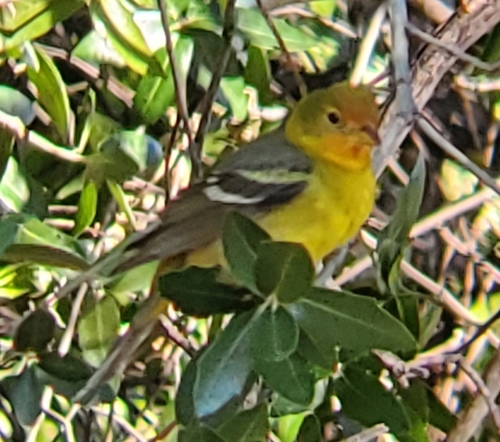
* Look for rare bird species like the Elegant Trogon, Sulphur-bellied Flycatcher, and Red-faced Warbler.
* Enjoy a picnic at one of the designated picnic areas, many with amenities like tables and grills.
* Observe larger mammals such as white-tailed deer, mule deer, coatis, and wild turkeys.
Spring (April-May): Peak migration for many bird species, including numerous hummingbirds. Wildflowers in bloom.
Summer (June-September): Best for spotting hummers and other summer specialties. Monsoon storms in July and August bring brief, heavy rains and cooler temperatures.
Fall (October-November): Good for viewing many species as migration continues.
Winter (December-March): Cooler temperatures; snow possible at higher elevations. Birding is still excellent year-round at various elevations.
Paved accessible loop trails are available at the Proctor and Whitehouse areas, suitable for wheelchairs and walkers, providing access to the beauty of the lower canyon and Madera Creek. Picnic areas also offer accessible toilets.
Considered one of the best birding destinations in the United States, with over 250 species documented.
Over 100 miles of trails, ranging from easy, ADA-accessible paths like the Nature Trail and Madera Creek Trail, to challenging ascents like the Old Baldy Trail and Super Trail leading to Mount Wrightson.
A prime spot for observing hummingbirds and other avian species at feeders.
Transition through four life zones, from desert scrub to pine-fir forests, showcasing a wide variety of plants including Arizona Sycamore, various oaks, and desert wildflowers.
Each card links to a full Explore page with photos, traits, and fun facts.
Start with the big picture, then zoom in to explore individual wildlife observations around this place.
Bring plenty of water
Especially for longer hikes, adequate hydration is crucial.
Arrive early for birding
Birds are most active at dawn, particularly during migration seasons.
Carry cash or check for fees
While digital payment options exist, having exact cash or a check can be helpful for parking fees.
Stay on designated trails
This helps protect wildlife habitat, prevent erosion, and ensures your safety.
Visit the Santa Rita Lodge
Even if not staying overnight, their bird-viewing area is excellent for seeing hummingbirds and other birds up close.
Pack a picnic
There are numerous scenic picnic areas throughout the canyon, but no restaurants within the park.
May 10, 2026
Photo attribution
no rights reserved
License: CC0 1.0 ↗
Image may be shown cropped inside the card frame.
May 10, 2026
Photo attribution
no rights reserved
License: CC0 1.0 ↗
Image may be shown cropped inside the card frame.
May 10, 2026
Photo attribution
no rights reserved
License: CC0 1.0 ↗
Image may be shown cropped inside the card frame.
May 10, 2026
Photo attribution
no rights reserved
License: CC0 1.0 ↗
Image may be shown cropped inside the card frame.
May 8, 2026
Photo attribution
(c) Andrew Meeds, some rights reserved (CC BY)
License: CC BY 4.0 ↗
Image may be shown cropped inside the card frame.

Maryland, US
You might spot White-Tailed Deer and Eastern Gray Squirrel.
View guide →
.jpg)
District of Columbia, US
You might spot Eastern Gray Squirrel, Duck, and House Sparrow.
View guide →

Illinois, US
You might spot American Robin, Canada Goose, and House Sparrow.
View guide →

Virginia, US
You might spot Spotted Lanternfly and Northern Cardinal.
View guide →
Take the discovery with you
Identify the wildlife you spot, learn as you go, and keep a collection of the adventure.