





white twisted-stalk
Streptopus amplexifolius
The white twisted-stalk is a unique plant with lovely, curved stems and small white flowers. It grows in shady places and is often found in forests, making it a special treasure of nature.
Habitat: Forests
The white twisted-stalk is a delicate woodland plant with a distinctive zigzag stem that appears to twist between its alternate, clasping leaves. It bears small, creamy-white to greenish-white bell-shaped flowers that hang singly from the leaf axils. Later, it produces bright red berries.
Category
PlantsRarity
Common
Danger
1/5 · Very low
Snaps
4
Early settlers learned to eat its tender young shoots, tasting a bit like asparagus!
Its scientific name, Streptopus, means 'twisted foot,' describing its unique zig-zag stem!
Look closely inside its flowers to see delicate purple stripes or spots!
This plant can sometimes grow straight out of rotting logs, taking nutrients from them!
White twisted-stalk has a zig-zagging stem that helps it position its leaves to catch dappled light in shady forest understories.
White twisted-stalk produces bright red berries that attract birds, helping it spread its seeds to new locations.
White twisted-stalk's leaves clasp its stem, providing support to its delicate structure and aiding in moisture collection.
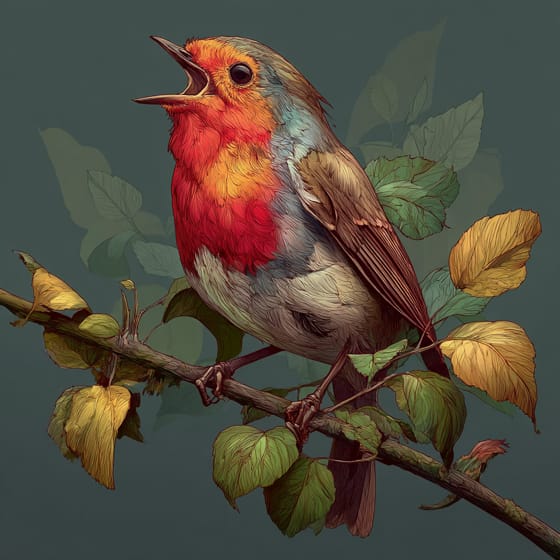
Turdus migratorius
Consumes its red berries, helping to spread seeds.
Bombus impatiens
Visits flowers for nectar and transfers pollen.
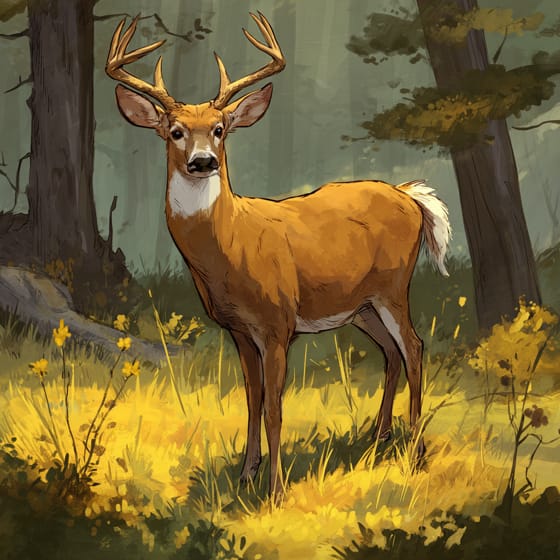
Odocoileus virginianus
Browses on its tender young shoots and leaves.
Bell-shaped flowers possess petals fused or arranged to form a cup-like or campanulate structure resembling a bell.
Deciduous plants periodically shed all their leaves, typically during autumn or dry seasons.
Flowering plants are any plants that produce flowers as part of their reproductive cycle.
Shade tolerant plants are adapted to grow and thrive in areas with low light levels, requiring less direct sunlight.

Medicinal plants possess chemical compounds that can be used for therapeutic purposes to treat illnesses or maintain health.

Forest habitats are terrestrial environments dominated by dense tree cover, supporting a high diversity of plant and animal life.
No aliases listed yet.
Danger
1/5 · Very low
Always look but don't touch plants unless you know they are safe.
The easiest way to identify white twisted-stalk is to use the Snappit nature identifier app.
30-100 cm
15-45 cm
1-1.5 cm
Late spring to early summer
Yes
Mild
Perennial
Zoom in to split clusters and explore where this object has been snapped.

US
You might spot Variable Carpet Moth, Bald Eagle, and Red Huckleberry.
View guide →

British Columbia, CA
You might spot White Twisted-Stalk and Western Skunk Cabbage.
View guide →

Montana, US
You might spot Field Crescent, Thimbleberry, and Baker's Mariposa Lily.
View guide →

Alaska, US
You might spot Brown Bear, American Beaver, and Arctic Raspberry.
View guide →
Alaska, US
You might spot Brown Bear, American Beaver, and Arctic Raspberry.
View guide →

Montana, US
You might spot Western Toad and Mountain Lady's-Slipper.
View guide →
Take the discovery with you
Snap it with Snappit to identify it, learn what makes it special, and add the discovery to your collection.






.jpg&width=800)



_001.jpg&width=800)



