





Willet
Tringa semipalmata
The Willet is a tall, wading bird that loves to be near the water. With its long legs and long beak, it searches for tasty snacks like crabs and worms in the sand.
Habitat: Coastal areas
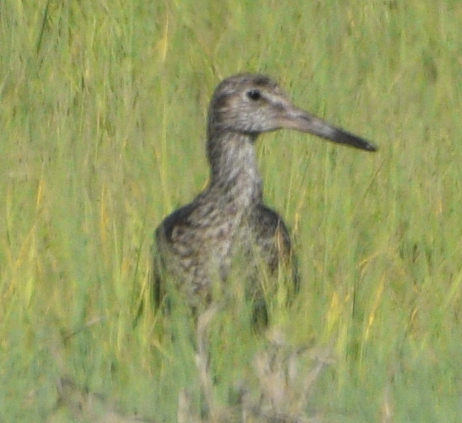
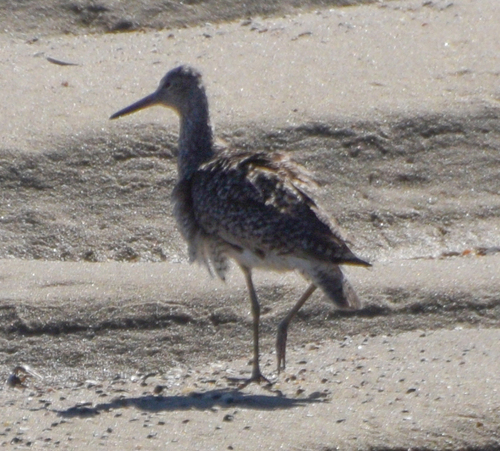
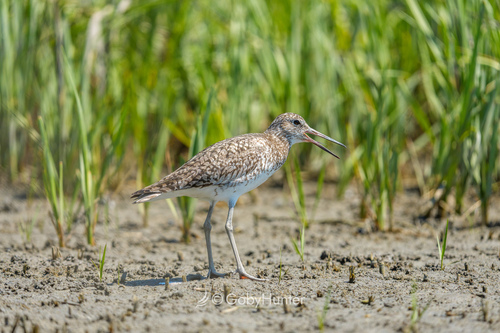
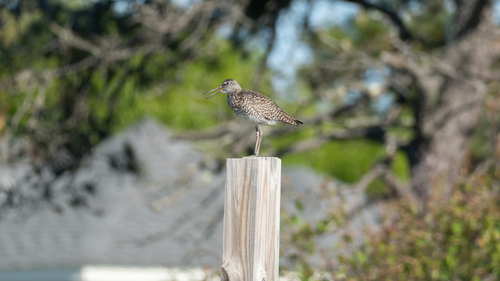
The Willet is a large, grayish shorebird with long bluish-gray legs and a straight, thick bill. Its most striking feature, seen in flight, is a broad white stripe bordered by black on its wings. This pattern makes them visually distinct from other plain gray shorebirds.
Category
BirdsRarity
Common
Danger
1/5 · Very low
Snaps
41
The Willet's loud call sounds so much like "pill-will-willet" that it's how they got their name!
There are two types of Willets, Eastern and Western, and they even sound a little different!
These clever birds often build nests in tall grass, making it super hard for predators to find their eggs.
Willet chicks can leave the nest and find their own food almost immediately after hatching!
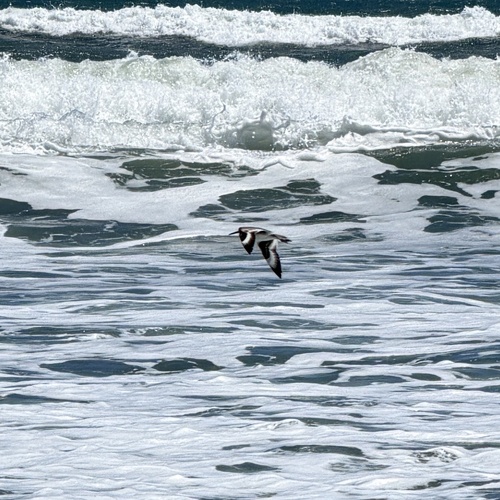
Willet has striking black-and-white wings that flash brightly, which helps them signal to other Willets or startle predators.
Willet can fake a broken wing display to lure predators away from its nest, protecting its precious eggs and chicks.
Willet makes a loud, distinctive "pill-will-willet" call that helps them warn other birds of danger or intruders.
Willets use their long bills to probe for tasty invertebrates and small fish in watery areas.
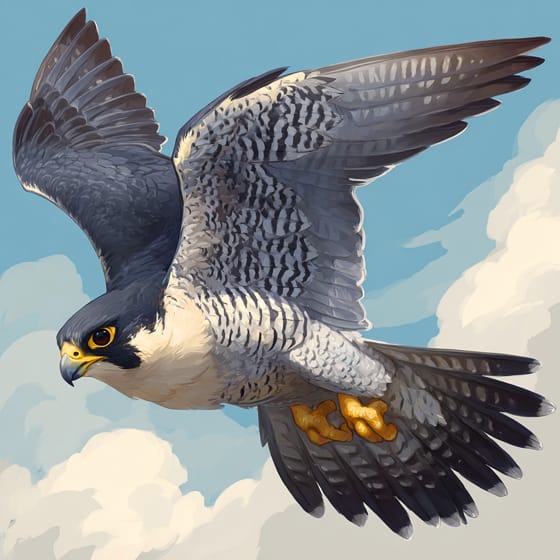
Falco peregrinus
Adult Willets can be swift prey for this speedy raptor.

Larus smithsonianus
These gulls sometimes eat the eggs or chicks of Willets.
Uca pugnax
Willet's long bill is perfect for catching these crabs in the mud.
Nereis succinea
Willet probes soft mud to find and eat these marine worms.
Feathered describes animals, primarily birds, possessing a covering of feathers.
Social animals live in organized groups, cooperating for survival benefits such as foraging, defense, and raising offspring.
Filter feeders obtain nutrients by straining suspended food particles and small organisms from water.
Coastal habitats are dynamic environments located along the interface between land and sea, influenced by tides, waves, and saltwater.

This trait identifies organisms whose diet consists entirely or primarily of animal tissue.

Diurnal animals are primarily active during daylight hours, typically resting or sleeping at night.

This trait identifies organisms that exhibit exceptional swiftness in movement for hunting, escape, or travel.

Migratory animals undertake seasonal movements from one region to another, typically in response to changes in climate or food availability.
No aliases listed yet.
Danger
1/5 · Very low
Always watch birds from a distance and don't try to touch them.
The easiest way to identify Willet is to use the Snappit nature identifier app.
33-41 cm
66-79 cm
0.2-0.36 kg
5-10 years
55 km/h
Willets use their long bills to probe for tasty invertebrates and small fish in watery areas.
Coastal areas
Zoom in to split clusters and explore where this object has been snapped.
Jun 13, 2026
Wellfleet Bay Wildlife SanctuaryPhoto attribution
(c) Natasha Haggard, some rights reserved (CC BY)
License: CC BY 4.0 ↗
Image may be shown cropped inside the card frame.
Jun 13, 2026
Wellfleet Bay Wildlife SanctuaryPhoto attribution
(c) Natasha Haggard, some rights reserved (CC BY)
License: CC BY 4.0 ↗
Image may be shown cropped inside the card frame.
Jun 3, 2026
Bodie Island Lifesaving and Coast Guard StationPhoto attribution
(c) Conway Hawn, some rights reserved (CC BY)
License: CC BY 4.0 ↗
Image may be shown cropped inside the card frame.
Jun 2, 2026
Stone Harbor Bird SanctuaryPhoto attribution
(c) GobyHunter, some rights reserved (CC BY)
License: CC BY 4.0 ↗
Image may be shown cropped inside the card frame.
Jun 2, 2026
Cape Arundel Summer Colony Historic DistrictPhoto attribution
no rights reserved
License: CC0 1.0 ↗
Image may be shown cropped inside the card frame.

California, US
You might spot Monarch, Bee, and Anise Swallowtail.
View guide →

California, US
You might spot Snowy Egret, Great Blue Heron, and Willet.
View guide →

US
You might spot Firewheel, Domestic Horse, and Atlantic Horseshoe Crab.
View guide →

New Mexico, US
You might spot Pronghorn, Great-Tailed Grackle, and Redstem Stork's-Bill.
View guide →

Maine, US
You might spot Rugosa Rose and European Green Crab.
View guide →

Connecticut, US
You might spot Osprey, Monarch, and Common Reed.
View guide →
Take the discovery with you
Snap it with Snappit to identify it, learn what makes it special, and add the discovery to your collection.




.jpg&width=800)







