





Winter Firefly
Photinus corruscus
Winter fireflies are special insects that light up the night with their glowing bodies. They are often seen in the winter, creating a magical scene in the dark.
Habitat: Forests
The Winter Firefly is a small beetle with an elongated, dark brown body and reddish-brown wing covers. It has distinctive pale yellow segments on its abdomen, which house its light-producing organs. Its relatively drab coloration helps it blend into winter leaf litter.
Category
InsectsRarity
Common
Danger
1/5 · Very low
Snaps
10
Larval fireflies, called glowworms, also light up to warn predators they taste terrible!
Not all fireflies glow! Some species use scent signals instead of light to find mates.
Their light is 'cold light,' meaning it creates almost no heat, making it super energy efficient!
Winter Fireflies are actually beetles, not true flies, despite their common name!
Winter Firefly can produce light even in freezing temperatures because of specialized chemical reactions in its light organs.
Winter Firefly has unique flash patterns that helps them communicate with potential mates and rivals at night.
Winter Firefly has bitter-tasting chemicals, lucibufagins, that helps them deter predators from eating them.
Larval winter fireflies are tiny hunters, preying on soft-bodied creatures in the soil and under bark.
Age differences: Larvae are predatory, while adult winter fireflies typically do not feed or consume only small amounts of nectar.
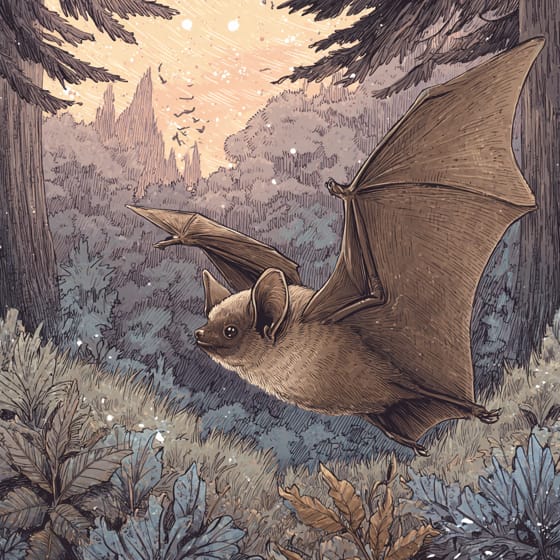
Myotis lucifugus
Adult fireflies are prey for this nocturnal hunter.
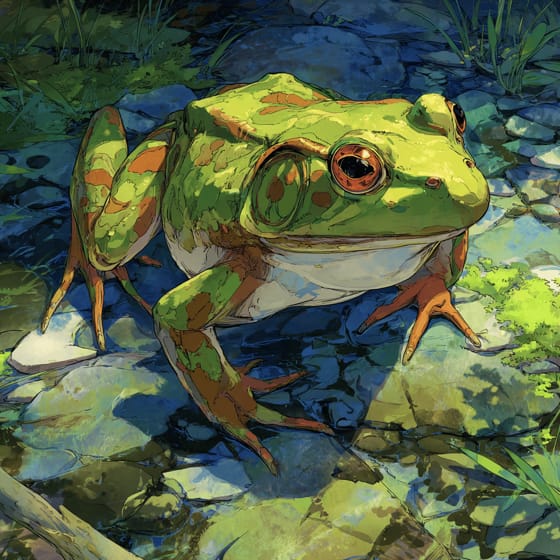
Rana catesbeiana
Adult and larval fireflies can be snatched by frogs.
Arion subfuscus
Larval fireflies actively prey on slugs in their habitat.
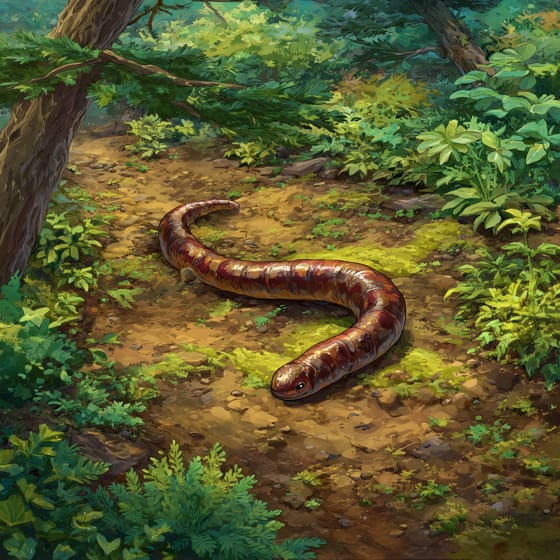
Lumbricus terrestris
Young firefly larvae will hunt and paralyze small worms.
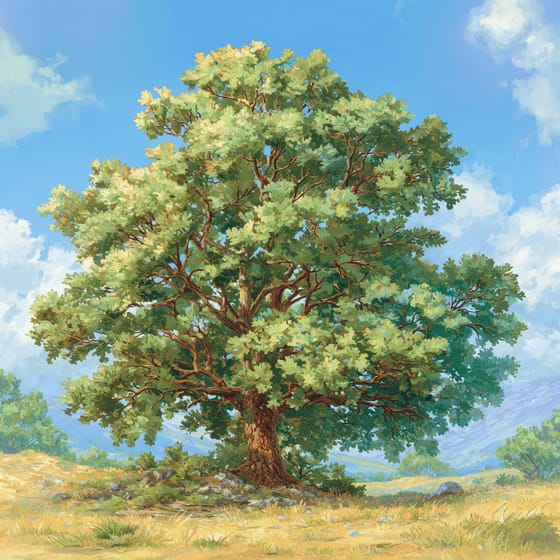
Quercus alba
Larvae and adults often hide in leaf litter near oak trees.
Social animals live in organized groups, cooperating for survival benefits such as foraging, defense, and raising offspring.
This trait identifies organisms whose diet primarily consists of insects and other small invertebrates.
Forest habitats are terrestrial environments dominated by dense tree cover, supporting a high diversity of plant and animal life.
Pertaining to organisms that emit light through bioluminescence or fluorescence.

Nocturnal animals are primarily active during the nighttime hours, typically resting or sleeping during the day.

Describes organisms that transfer pollen, enabling the fertilization and reproduction of plants.
No aliases listed yet.
Danger
1/5 · Very low
Be gentle and watch from a distance so you don't scare the fireflies.
The easiest way to identify Winter Firefly is to use the Snappit nature identifier app.
20-30 mm
10-15 mm
14-28 days
5 km/h
Larval winter fireflies are tiny hunters, preying on soft-bodied creatures in the soil and under bark.
Forests
Pursuit
Zoom in to split clusters and explore where this object has been snapped.

Massachusetts, US
You might spot Mountain Laurel, Azure Bluet, and Partridgeberry.
View guide →

New Hampshire, US
You might spot Eastern White Pine and White-Tailed Deer.
View guide →

Maine, US
You might spot Purple Pitcher Plant and American Toad.
View guide →

North Carolina, US
You might spot Striped Wintergreen, Pink Lady's Slipper, and Galax.
View guide →

Vermont, US
You might spot Turkey, White-Tailed Deer, and American Red Squirrel.
View guide →

Connecticut, US
You might spot Monarch, Downy Woodpecker, and Red-Tailed Hawk.
View guide →
Take the discovery with you
Snap it with Snappit to identify it, learn what makes it special, and add the discovery to your collection.









.jpg&width=800)



