





Wood Stork
Mycteria americana
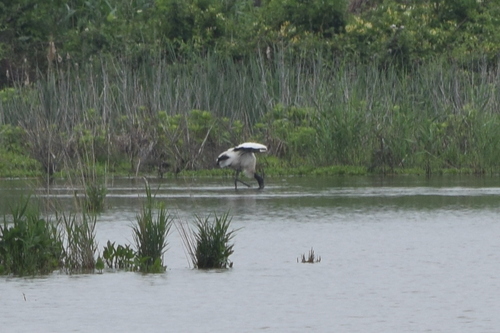
The Wood Stork is a tall, wading bird with long legs and a big beak. They like to stand in shallow water and catch fish with their beaks. These birds are very graceful when they fly!
Habitat: Wetlands
The Wood Stork is a large, white wading bird with dark gray to black flight feathers. It has an unfeathered, dark grayish-black head and neck, and a long, thick, downcurved bill. Its legs are pinkish.
Category
BirdsRarity
Common
Danger
1/5 · Very low
Snaps
18
Baby storks are born with soft, downy feathers covering their heads, which disappear as they grow.
Their extra-long, sensitive bills can snap shut on fish in less than 25 milliseconds!
They use a "foot-stirring" dance in shallow water to flush out hidden prey!
Wood Storks don't sing; they hiss and clatter their bills to talk to each other!
Wood Storks can find prey in murky water by feeling with their sensitive bills, which snap shut incredibly fast.
Wood Storks have broad wings that help them ride warm air currents, allowing long-distance flight with little effort.
Wood Storks have a unique ability to cool down by letting their droppings run down their legs.
They mostly eat small fish and other aquatic creatures by feeling for them in the water.
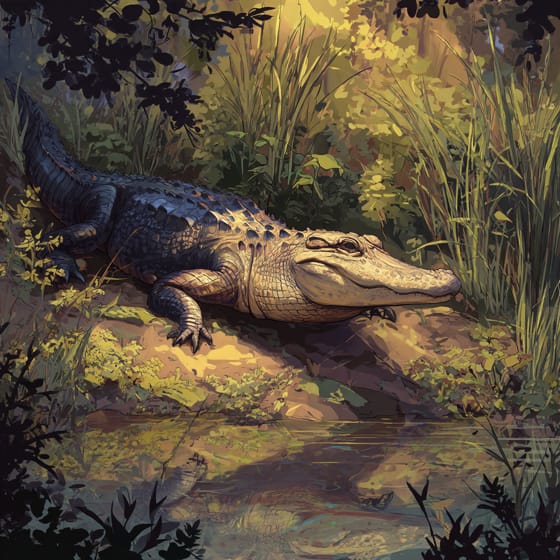
Alligator mississippiensis
Alligators sometimes prey on their eggs and young chicks.

Procyon lotor
Raccoons are known to raid nests for eggs and young storks.

Gambusia holbrooki
They effectively hunt small mosquitofish in shallow water.
%2C_Vorderansich.jpg&width=800)
Lithobates sphenocephalus
Commonly eats frogs and tadpoles found in wetlands.
Taxodium distichum
Often build their nests high in bald cypress trees.
Feathered describes animals, primarily birds, possessing a covering of feathers.
Social animals live in organized groups, cooperating for survival benefits such as foraging, defense, and raising offspring.
Filter feeders obtain nutrients by straining suspended food particles and small organisms from water.
Piscivorous organisms are animals that primarily subsist on a diet of fish.

This habitat trait identifies species found in wetlands, which are areas of land saturated with water, either permanently or seasonally, including marshes, swamps, and bogs.

Diurnal animals are primarily active during daylight hours, typically resting or sleeping at night.

Migratory animals undertake seasonal movements from one region to another, typically in response to changes in climate or food availability.

Endangered status indicates a species is at a very high risk of extinction in the wild in the near future.
No aliases listed yet.
Danger
1/5 · Very low
Always watch birds from a distance and do not disturb their nests.
The easiest way to identify Wood Stork is to use the Snappit nature identifier app.
83-115 cm
150-180 cm
2-4.5 kg
11-18 years
50 km/h
They mostly eat small fish and other aquatic creatures by feeling for them in the water.
Wetlands
Zoom in to split clusters and explore where this object has been snapped.
May 25, 2026
Liston Range Rear LightPhoto attribution
(c) Elizabeth Green, some rights reserved (CC BY)
License: CC BY 4.0 ↗
Image may be shown cropped inside the card frame.

Georgia, US
You might spot Brown Anole, Anole, and Gulf Fritillary.
View guide →

South Carolina, US
You might spot Brown Pelican, Boat-Tailed Grackle, and Great Egret.
View guide →

Florida, US
You might spot White Ibis, Green Iguana, and Black-Crowned Night Heron.
View guide →

US
You might spot Brown Pelican, Boat-Tailed Grackle, and Great Egret.
View guide →

Florida, US
You might spot Brown Anole, Great Egret, and Snowy Egret.
View guide →

Georgia, US
You might spot American Beautyberry, Muscadine, and Virginia Creeper.
View guide →
Take the discovery with you
Snap it with Snappit to identify it, learn what makes it special, and add the discovery to your collection.




.jpg&width=800)








