Eastern Mosquitofish
gambusia holbrooki
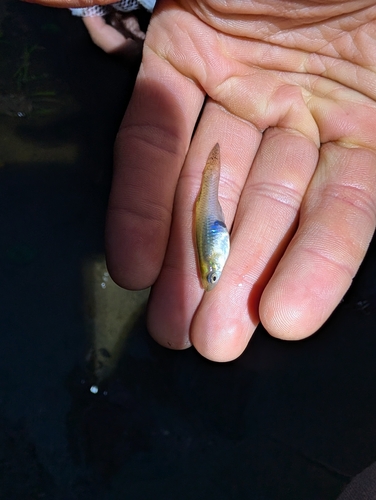
The Eastern Mosquitofish is a small, lively fish that's great for controlling mosquito populations! They zip around in the water, making them fun to watch as they play and explore their home.
Habitat: Ponds, streams, and marshes across the eastern United States.
The Eastern Mosquitofish is a small, slender fish with a flattened head and an upward-pointing mouth. It has a dull greyish-olive back fading to a silvery-white belly, often with a dark 'gravid spot' visible on females. Its small size and distinct male anal fin (gonopodium) differentiate it.
Category
FishRarity
Common
Danger
0/5 · No known danger
Snaps
9
Female mosquitofish can store sperm for months, making many batches of babies!
Introduced worldwide to fight mosquitoes, they are now one of the most widespread fish!
These tiny fish can gulp air from the surface when water oxygen is low!
They are super tiny but can be aggressive, nipping the fins of larger fish!
Eastern Mosquitofish can devour large numbers of mosquito larvae, which helps them control insect populations in their watery homes.
Eastern Mosquitofish has the amazing ability to give birth to live, fully formed young, skipping the egg stage for survival.
Eastern Mosquitofish can endure harsh conditions like low oxygen because of its adaptable gill and kidney systems.
These tiny fish are expert insect hunters, gobbling up mosquito larvae and other small critters.
Aedes aegypti
eats their larvae, helping control mosquito populations
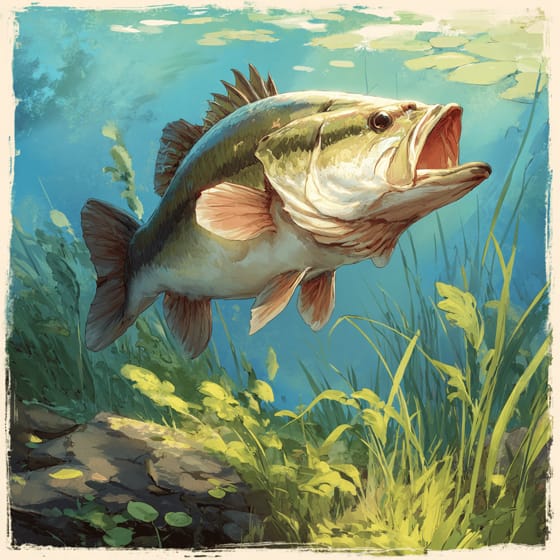
Micropterus salmoides
a common food source for this larger predatory fish
Anas platyrhynchos
small size makes them prey for waterfowl
Social animals live in organized groups, cooperating for survival benefits such as foraging, defense, and raising offspring.
Colorful describes organisms or objects displaying a wide range of bright and distinct colors.
This trait identifies organisms whose diet consists entirely or primarily of animal tissue.
Diurnal animals are primarily active during daylight hours, typically resting or sleeping at night.

Aquatic habitats encompass environments where organisms live predominantly in water, including oceans, rivers, lakes, and wetlands.
Danger
0/5 · No known danger
No special safety notes yet.
The easiest way to identify Eastern Mosquitofish is to use the Snappit nature identifier app.
2-6 cm
0.001-0.005 kg
1-2 years
These tiny fish are expert insect hunters, gobbling up mosquito larvae and other small critters.
8 km/h
Ponds, streams, and marshes across the eastern United States.
Foraging
Zoom in to split clusters and explore where this object has been snapped.
Apr 26, 2026
Buckingham Female Collegiate Institute Historic DistrictPhoto attribution
(c) James Weaver, some rights reserved (CC BY)
License: CC BY 4.0 ↗
Image may be shown cropped inside the card frame.

Florida, US
You might spot Brown Anole, White Ibis, and Anhinga.
View guide →

Georgia, US
You might spot Anole, Pond Slider, and Spanish Moss.
View guide →

Florida, US
You might spot American Alligator, Great Blue Heron, and Anhinga.
View guide →

Virginia, US
You might spot Eastern Box Turtle and Northern Cricket Frog.
View guide →
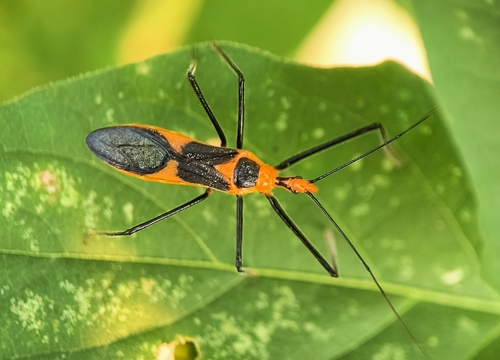
Florida, US
You might spot Milkweed Assassin Bug, Green Iguana, and White Beggarticks.
View guide →

Florida, US
You might spot Resurrection Fern and Evans' Deer Moss.
View guide →
Take the discovery with you
Snap it with Snappit to identify it, learn what makes it special, and add the discovery to your collection.