





Lesser Scaup
Aythya affinis
The Lesser Scaup is a small duck with a round head and a beautiful blue bill. They love to swim in lakes and ponds, diving underwater to find tasty plants and small fish.
Habitat: Wetlands
The Lesser Scaup is a medium-sized diving duck. Males have a dark, purplish-glossed head, a grey back, and bright white sides. Females are duller brown with a distinct white patch at the base of their bill and a dark crown, making them visually different from similar ducks.
Category
BirdsRarity
Common
Danger
1/5 · Very low
Snaps
11
Male Lesser Scaups perform a special head-toss display to attract a mate!
Some Lesser Scaups travel over 5,000 kilometers each year during their amazing migrations.
They are nicknamed "bluebills" because their unique bill often has a bluish-grey color!
They use their strong, flat bills like shovels to pry mussels and snails from the lakebed.
Lesser Scaup can dive up to 20 feet because of their dense bones and powerful webbed feet that help them reach underwater food.
Lesser Scaup has excellent underwater eyesight that helps them spot tiny mussels and aquatic insects in murky waters.
Lesser Scaup can gather in huge groups, called rafts, that helps them stay safe from predators and find food together.
They dive deep to feast on tasty shellfish and aquatic bugs from the bottom of lakes and ponds.
Age differences: Ducklings primarily eat aquatic insects, while adults consume more mollusks and some plant matter.
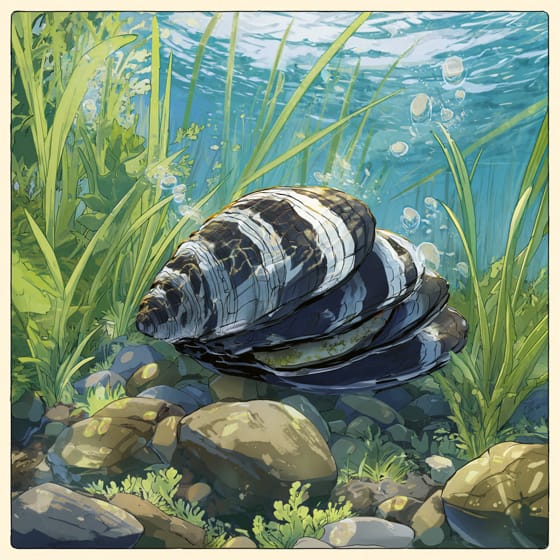
Dreissena polymorpha
A major invasive food source
Lampsilis siliquoidea
Key part of their natural diet

Haliaeetus leucocephalus
Often preys on adult ducks
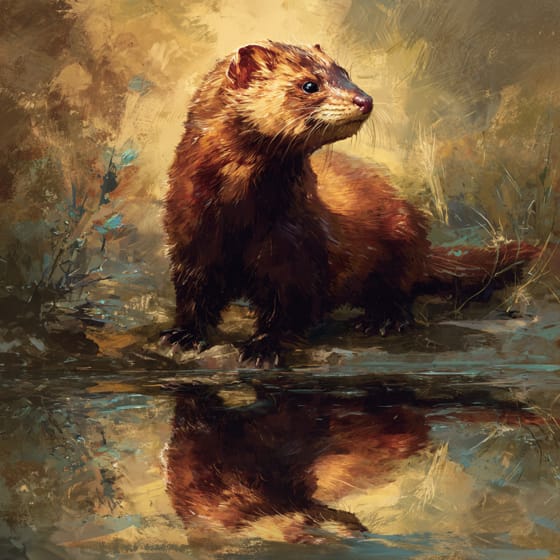
Mustela vison
Raids nests and eats ducklings
Hydrophilus triangularis
Eats larvae of this species
Feathered describes animals, primarily birds, possessing a covering of feathers.
Characterized by having toes connected by a membrane, typically aiding in swimming.
Social animals live in organized groups, cooperating for survival benefits such as foraging, defense, and raising offspring.
Filter feeders obtain nutrients by straining suspended food particles and small organisms from water.

Piscivorous organisms are animals that primarily subsist on a diet of fish.

This habitat trait identifies species found in wetlands, which are areas of land saturated with water, either permanently or seasonally, including marshes, swamps, and bogs.

Freshwater habitats include non-saline aquatic environments such as rivers, lakes, ponds, and wetlands, vital for numerous species.

Migratory animals undertake seasonal movements from one region to another, typically in response to changes in climate or food availability.
No aliases listed yet.
Danger
1/5 · Very low
Always watch ducks from a distance and don't feed them bread.
The easiest way to identify Lesser Scaup is to use the Snappit nature identifier app.
38-48 cm
68-76 cm
0.7-1.2 kg
5-18 years
70 km/h
They dive deep to feast on tasty shellfish and aquatic bugs from the bottom of lakes and ponds.
Wetlands
Zoom in to split clusters and explore where this object has been snapped.

Wisconsin, US
You might spot Common Eastern Bumble Bee, Red-Belted Bumble Bee, and Duck.
View guide →

Louisiana, US
You might spot Brown Anole, White Beggarticks, and Gulf Coast Buck Moth.
View guide →

Michigan, US
You might spot Common Merganser, Tansy, and American Herring Gull.
View guide →

Florida, US
You might spot Duck, Anhinga, and White Ibis.
View guide →

Wyoming, US
You might spot Long-Billed Curlew, Lesser Scaup, and Red-Winged Blackbird.
View guide →

Nebraska, US
You might spot Purple Martin, Prairie Rattlesnake, and Lesser Scaup.
View guide →
Take the discovery with you
Snap it with Snappit to identify it, learn what makes it special, and add the discovery to your collection.




.jpg&width=800)









