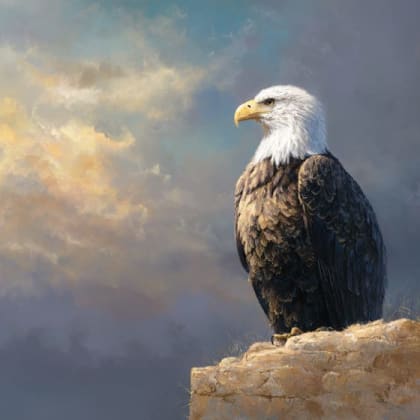





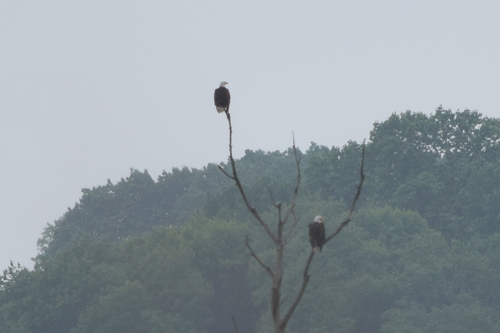
Bald Eagle

The Liston Range Rear Light is Delaware's tallest lighthouse and a striking example of maritime engineering.
The Liston Range Rear Light is Delaware's tallest lighthouse and a striking example of maritime engineering. This impressive skeletal iron tower, standing 127 feet high, has guided ships along the treacherous Delaware River since its relocation in 1906, embodying a rich history of navigation and perseverance. It is a unique landmark, renowned for being the only range light on the Delaware River to still house its powerful Second Order Fresnel lens, a testament to its enduring historical significance and a marvel of optical engineering.
While the lighthouse grounds are privately owned and generally closed to the public, its majestic structure can be appreciated from a respectful distance. The tower's intricate wrought-iron framework and the sheer scale of the light create a compelling visual against the backdrop of the Delaware landscape, hinting at the vital role it plays in guiding vessels up and down the busy waterway. It stands as a silent sentinel, connecting past and present maritime traditions.
Visiting the Liston Range Rear Light offers a unique opportunity to witness a significant piece of American lighthouse history. Its remote, inland location, three miles from its companion Liston Range Front Light, adds to its intriguing character, making it a memorable stop for those with an appreciation for historical architecture and the enduring legacy of the U.S. Lighthouse Service. Eager to name that creature? Identify any animal you find during your visit using the Snappit app.
The Liston Range Rear Light boasts a fascinating and complex history. Originally constructed in 1876-1877 as the Port Penn Rear Range Lighthouse, the 120-foot wrought iron tower was built by the Kellogg Bridge Company of Buffalo, New York. Its initial purpose was to guide ships through a specific channel until changes in the Delaware shipping channel necessitated a new navigational range. In 1904, the Port Penn Range was decommissioned, and rather than building a new structure, the U.S. Lighthouse Service ingeniously disassembled the Port Penn Rear Light and re-erected it at its current location to serve as the Liston Range Rear Light. By 1906, a powerful Second Order Fresnel lens, manufactured by Barbier, Benard & Turenne of Paris, France, was installed, enhancing its navigational capabilities. The lighthouse was automated in 1976 and was listed on the National Register of Historic Places in 1978. In 2020, the lighthouse property was reunited under single private ownership.
Visitors can observe the imposing structure of the lighthouse from the road or designated public vantage points nearby. Photography of the historical tower against the natural Delaware landscape is popular.
The lighthouse can be viewed year-round. Fall foliage might add aesthetic appeal to the surrounding trees, while clear winter days could offer stark, dramatic photographic conditions. Be mindful of summer heat and humidity, and potential overgrowth around the private property.
The lighthouse itself and its immediate grounds are privately owned and not publicly accessible. Viewing is typically from public roads, which would be generally accessible. There are no designated accessible trails or facilities at the lighthouse site itself.
Delaware's tallest lighthouse and a marvel of late 19th-century engineering.
Its unique history of relocation and continuous service as a crucial navigational aid.
While not accessible for direct viewing, the knowledge that this rare and powerful lens is still housed within is a key highlight.
Each card links to a full Explore page with photos, traits, and fun facts.
Start with the big picture, then zoom in to explore individual wildlife observations around this place.
Respect Private Property
** The lighthouse and its grounds are privately owned. Do not trespass or attempt to access the tower or private dwellings.
Photography
Bring a good camera with a zoom lens to capture detailed shots of the tower from a distance. Consider different times of day for varied lighting.
Parking
Be aware that there is no accessible parking directly at the lighthouse. Find safe, legal roadside parking if available, or view from a vehicle.
Combine with other sites
Consider visiting other historical sites in the Port Penn or Delaware City area to make a full day trip exploring local history.
Roadside Viewing
The lighthouse is visible from County Road 2 (Port Penn Road). Exercise caution if pulling over on the roadside.
May 25, 2026
Photo attribution
(c) Elizabeth Green, some rights reserved (CC BY)
License: CC BY 4.0 ↗
Image may be shown cropped inside the card frame.
May 25, 2026
Photo attribution
(c) Elizabeth Green, some rights reserved (CC BY)
License: CC BY 4.0 ↗
Image may be shown cropped inside the card frame.
May 25, 2026
Photo attribution
(c) Elizabeth Green, some rights reserved (CC BY)
License: CC BY 4.0 ↗
Image may be shown cropped inside the card frame.
Dec 15, 2012
Photo attribution
no rights reserved
License: CC0 1.0 ↗
Image may be shown cropped inside the card frame.
May 28, 2026

Maryland, US
You might spot White-Tailed Deer and Eastern Gray Squirrel.
View guide →
.jpg)
District of Columbia, US
You might spot Eastern Gray Squirrel, Duck, and House Sparrow.
View guide →

Illinois, US
You might spot American Robin, Canada Goose, and House Sparrow.
View guide →

Virginia, US
You might spot Spotted Lanternfly and Northern Cardinal.
View guide →
Take the discovery with you
Identify the wildlife you spot, learn as you go, and keep a collection of the adventure.















_(cropped).jpg&width=800)

