





Reddish-brown Stag Beetle
Lucanus capreolus
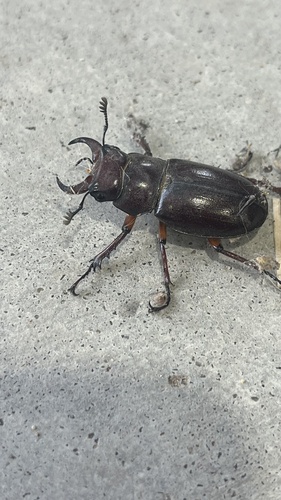
The Reddish-brown Stag Beetle is a fascinating insect known for its large, antler-like jaws. These beetles are often found in forests and gardens, where they like to munch on rotting wood.
Habitat: Forests
The Reddish-brown Stag Beetle is a medium-sized beetle, featuring a deep reddish-brown, shiny body. Males possess prominent, slightly curved mandibles that resemble small antlers, while females have smaller, pincer-like jaws. Its smooth wing covers are a distinguishing feature.
Category
InsectsRarity
Common
Danger
1/5 · Very low
Snaps
9
Finding a Reddish-brown Stag Beetle is a sign of a healthy forest with plenty of decaying wood.
Male stag beetles use their big, antler-like jaws to wrestle and flip rivals over during fights.
These beetles spend most of their life, up to three years, as hidden grubs underground!
They are sometimes called 'pinching bugs' by kids because of their distinctive mandibles!
Reddish-brown Stag Beetle males can wrestle rivals with their strong, antler-like jaws to win mates, proving their strength.
Reddish-brown Stag Beetle larvae have powerful jaws that help them chew through dead wood, recycling nutrients into the forest.
Reddish-brown Stag Beetles can fly using their wings, often emerging at dusk to search for mates or food high in the trees.
Reddish-brown Stag Beetles can feed on tree sap by scraping bark, getting vital energy for their short adult lives.
Larvae munch on decaying wood, while adults sip tree sap and rotting fruit.
Age differences: Larvae are detritivores, eating only decaying wood; adults are sap-feeders and eat rotting fruit.

Procyon lotor
Raccoons may prey on adult beetles foraging on the ground.
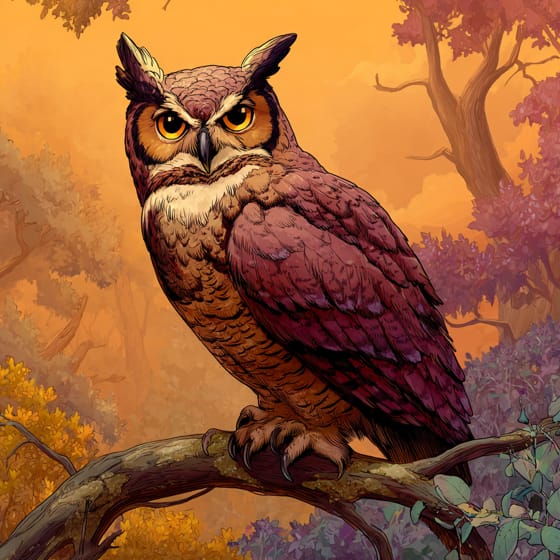
Bubo virginianus
Owls can hunt adult beetles active at night.
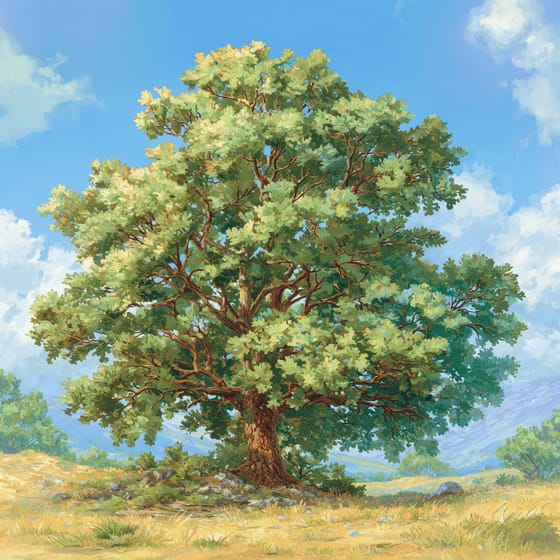
Quercus alba
Beetle larvae depend on decaying wood from oak trees for food and shelter.

Acer rubrum
Larvae also thrive in dead wood from maple trees, aiding in decomposition.
Solitary animals live alone for most of their lives, only interacting with others for mating or parental care.
Antlered describes animals possessing antlers, which are bony, branching growths found predominantly on male deer and related species.
Colorful describes organisms or objects displaying a wide range of bright and distinct colors.
This trait characterizes organisms whose diet consists entirely or primarily of plant material.

Describes organisms that break down dead organic material, recycling nutrients back into the ecosystem.

Forest habitats are terrestrial environments dominated by dense tree cover, supporting a high diversity of plant and animal life.

Diurnal animals are primarily active during daylight hours, typically resting or sleeping at night.
No aliases listed yet.
Danger
1/5 · Very low
Be gentle and watch your fingers; they can pinch but are not harmful.
The easiest way to identify Reddish-brown Stag Beetle is to use the Snappit nature identifier app.
20-40 mm
30-90 days
Larvae munch on decaying wood, while adults sip tree sap and rotting fruit.
Forests
Foraging
6
Zoom in to split clusters and explore where this object has been snapped.
Jun 16, 2026
Shaw Nature ReservePhoto attribution
(c) diana schwartz, some rights reserved (CC BY)
License: CC BY 4.0 ↗
Image may be shown cropped inside the card frame.

Tennessee, US
You might spot Pond Slider, White-Tailed Deer, and Great Blue Heron.
View guide →

Missouri, US
You might spot Eastern Carpenter Bee, Duck, and American Robin.
View guide →

Missouri, US
You might spot Painted-Cup Paintbrush and Great Spangled Fritillary.
View guide →

Massachusetts, US
You might spot Common Eastern Bumble Bee and Canada Goose.
View guide →
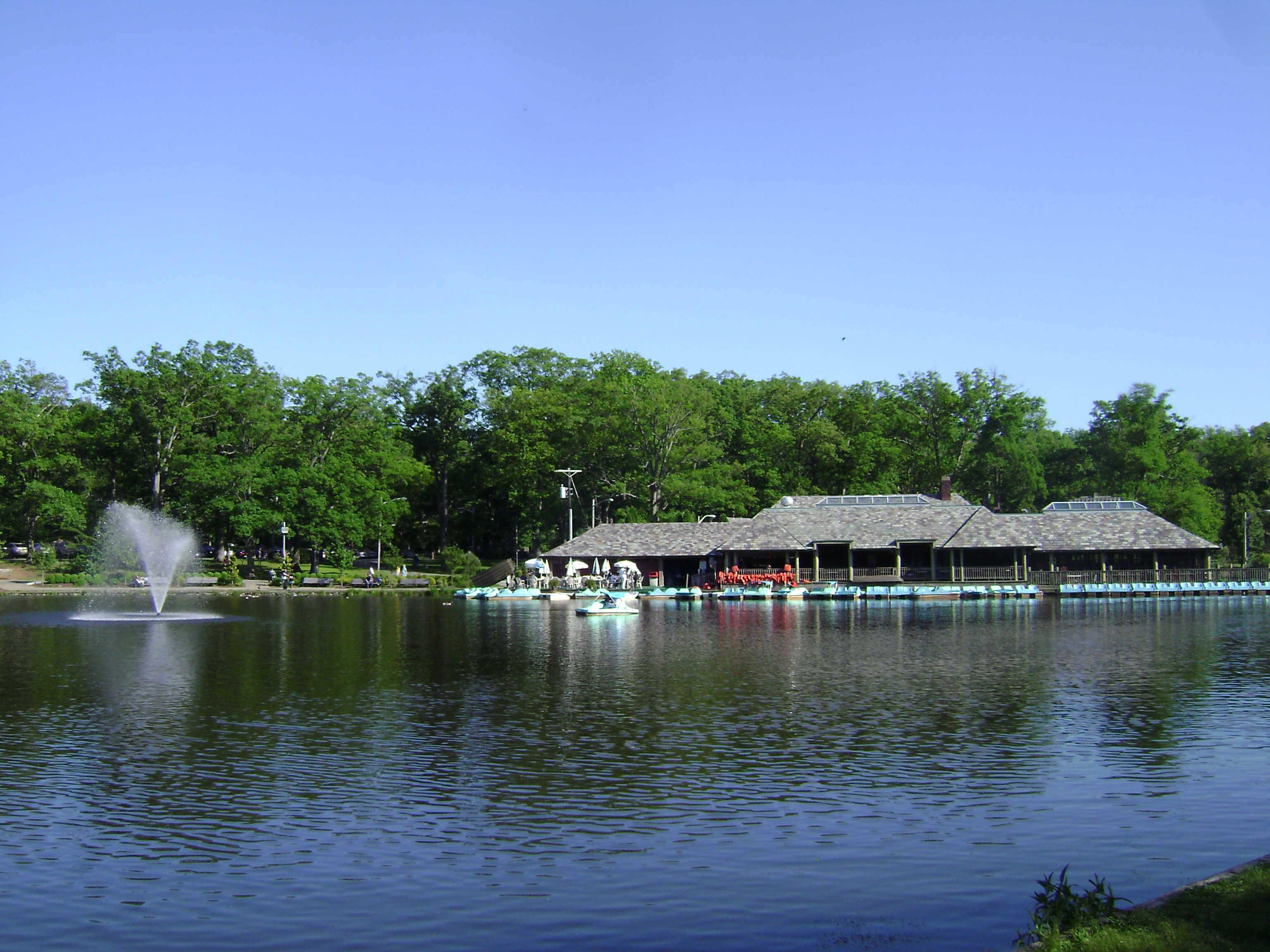
New Jersey, US
You might spot White-Tailed Deer, American Robin, and Spotted Lanternfly.
View guide →

US
You might spot White-Tailed Deer, Great Egret, and American Herring Gull.
View guide →
Take the discovery with you
Snap it with Snappit to identify it, learn what makes it special, and add the discovery to your collection.







.jpg&width=800)


