





Yellow-pine Chipmunk
Neotamias amoenus
The Yellow-pine Chipmunk is a small, striped animal that loves to scurry around in the forest. They are very playful and often gather food to store for winter!
Habitat: Forests
The Yellow-pine Chipmunk has a reddish-brown back with five dark stripes, separated by lighter buffy stripes, running down its body. It features distinct facial stripes and a whitish belly, making it visually stand out from plain-colored rodents.
Category
MammalsRarity
Common
Danger
1/5 · Very low
Snaps
2
Chipmunks make a sharp 'chip-chip' call to warn others of danger nearby.
Their camouflaged stripes help them blend perfectly into rocky and woody backgrounds.
They can gather hundreds of seeds in just one day to prepare for winter!
When it gets cold, chipmunks enter a deep sleep called torpor to save energy.
Yellow-pine Chipmunk has stretchy cheek pouches that help them carry huge amounts of seeds back to their burrow.
Yellow-pine Chipmunk can scale trees and rocky surfaces swiftly, using sharp claws and quick balance for escapes.
Yellow-pine Chipmunk can dig complex burrows with multiple entrances for safety, food storage, and raising young.
They munch on seeds, nuts, fruits, and even tiny insects found in their forest home.
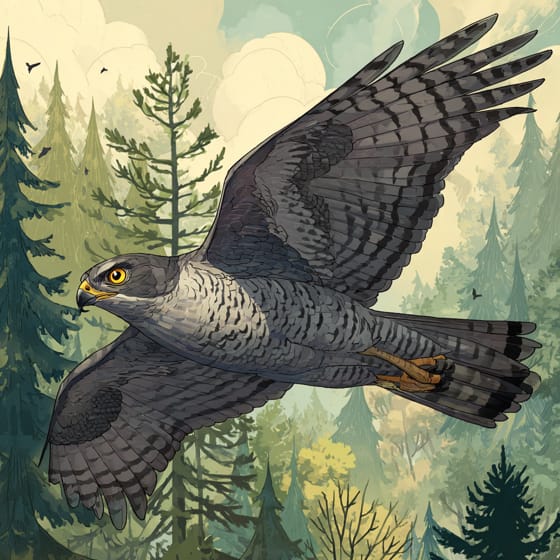
Accipiter gentilis
Chipmunks are a food source for these forest raptors.
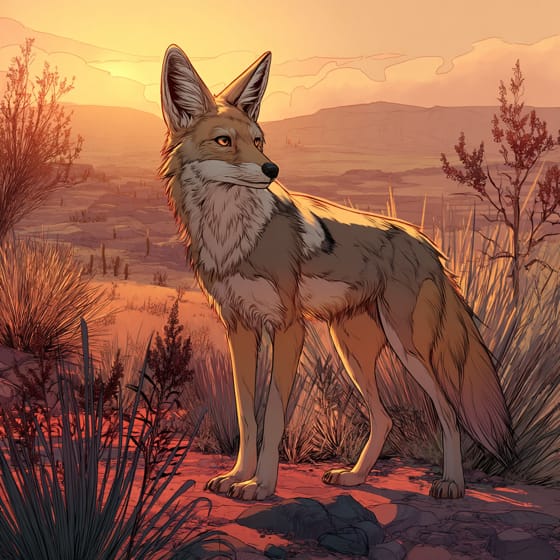
Canis latrans
Chipmunks are a small prey item for coyotes in their range.
Pinus ponderosa
Chipmunks eat the seeds and may help disperse them.

Mustela frenata
Weasels hunt chipmunks in their burrows and above ground.
Furry describes animals possessing a dense covering of soft hair or fur.
Marked with parallel bands or lines of color.
Social animals live in organized groups, cooperating for survival benefits such as foraging, defense, and raising offspring.
This trait characterizes organisms whose diet consists entirely or primarily of plant material.

Forest habitats are terrestrial environments dominated by dense tree cover, supporting a high diversity of plant and animal life.

Diurnal animals are primarily active during daylight hours, typically resting or sleeping at night.

This trait identifies organisms that exhibit exceptional swiftness in movement for hunting, escape, or travel.
No aliases listed yet.
Danger
1/5 · Very low
Watch chipmunks from a distance and don't try to catch them; they are wild animals.
The easiest way to identify Yellow-pine Chipmunk is to use the Snappit nature identifier app.
10-14 cm
0.03-0.07 kg
2-3 years
15 km/h
They munch on seeds, nuts, fruits, and even tiny insects found in their forest home.
Forests
Foraging
Zoom in to split clusters and explore where this object has been snapped.

Montana, US
You might spot Great Blanketflower and Seven-Spotted Lady Beetle.
View guide →

British Columbia, CA
You might spot White Pasqueflower and Columbian Ground Squirrel.
View guide →

Washington, US
You might spot Cascade Golden-Mantled Ground Squirrel.
View guide →

Washington, US
You might spot Cascade Golden-Mantled Ground Squirrel.
View guide →

Washington, US
You might spot Canada Goose, Duck, and American Coot.
View guide →

Washington, US
You might spot Western Fence Lizard and Mule Deer.
View guide →
Take the discovery with you
Snap it with Snappit to identify it, learn what makes it special, and add the discovery to your collection.




.jpg&width=800)

.JPG&width=800)


.jpg&width=800)
