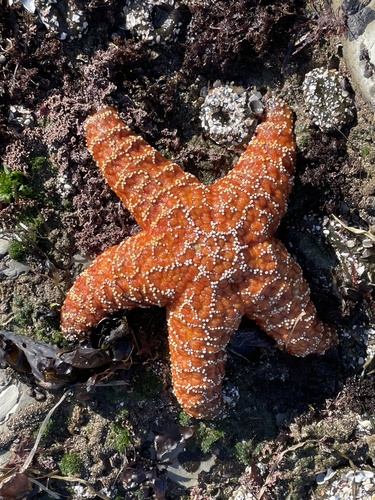
.jpg&width=800)





Yellow-spotted river turtle
Podocnemis unifilis
The yellow-spotted river turtle is a friendly turtle that loves to swim in rivers and lakes. It has a special yellow spot on its shell that makes it easy to recognize!
Habitat: Wetlands
The Yellow-spotted river turtle has a smooth, oval, dark brown to black shell. Its distinguishing feature is bright yellow spots on each side of its dark head. Its underside is typically a pale yellow.
Category
ReptilesRarity
Common
Danger
1/5 · Very low
Snaps
Be the first to snap!
Baby turtles hatch and make a mad dash for the river, facing many dangers!
Their eggs' gender depends on nest temperature – warm makes girls, cool makes boys!
They help spread seeds by eating fruit, acting like a jungle gardener!
Unlike many turtles, they can't pull their head straight into their shell!
Yellow-spotted river turtle's eggs have their sex determined by nest temperature, helping the population adapt to environmental changes.
Yellow-spotted river turtle can hold its breath for long periods underwater, helping it forage for plants and fruits on the riverbed.
Yellow-spotted river turtle has webbed feet and a streamlined shell that helps it glide efficiently through river currents.
These turtles eat yummy plants, fruits, and sometimes insects or small fish from the river!
Age differences: Young turtles eat more insects and small animals, while adults prefer plants and fruits.
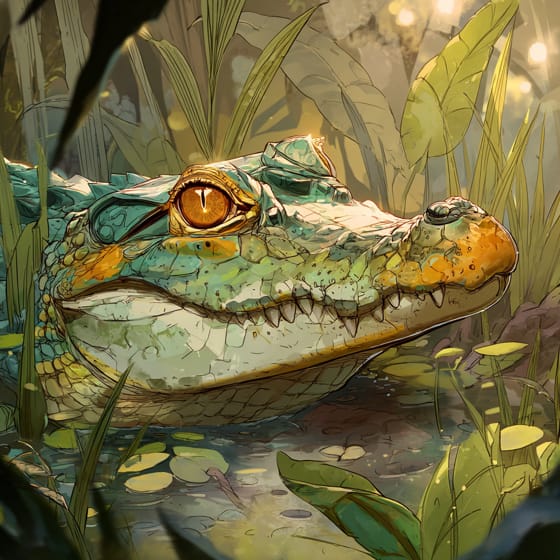
Caiman crocodilus
Adults and juveniles are hunted by these large reptiles.
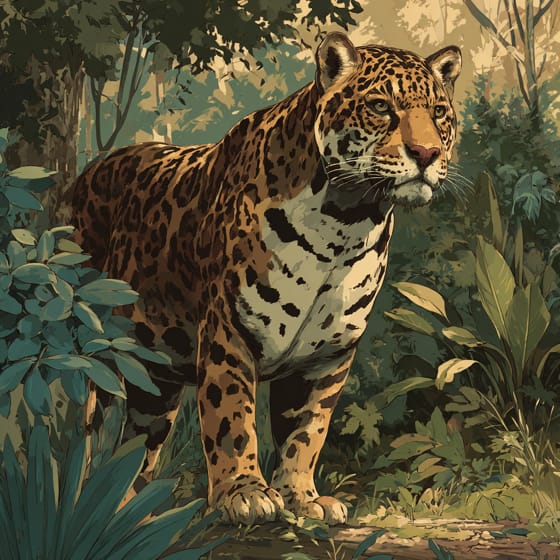
Panthera onca
Large cats prey on turtles, especially when laying eggs.
Eunectes murinus
Giant snakes can ambush turtles in their watery homes.
Ficus aurantiacae
Turtles eat its fallen fruits, helping to spread its seeds.
Marked with spots or patches of a different color.
Social animals live in organized groups, cooperating for survival benefits such as foraging, defense, and raising offspring.
This trait identifies organisms whose diet includes both plant and animal matter.
This trait characterizes organisms whose diet consists entirely or primarily of plant material.

This trait characterizes organisms with an exceptionally long lifespan compared to others of their kind.

This habitat trait identifies species found in wetlands, which are areas of land saturated with water, either permanently or seasonally, including marshes, swamps, and bogs.

Diurnal animals are primarily active during daylight hours, typically resting or sleeping at night.

Freshwater habitats include non-saline aquatic environments such as rivers, lakes, ponds, and wetlands, vital for numerous species.

Aquatic habitats encompass environments where organisms live predominantly in water, including oceans, rivers, lakes, and wetlands.

Endangered status indicates a species is at a very high risk of extinction in the wild in the near future.
No aliases listed yet.
Danger
1/5 · Very low
Always watch turtles from a distance and never try to pick them up.
The easiest way to identify Yellow-spotted river turtle is to use the Snappit nature identifier app.
30-60 cm
2-15 kg
20-50 years
0.5 km/h
These turtles eat yummy plants, fruits, and sometimes insects or small fish from the river!
8 km/h
Wetlands
Zoom in to split clusters and explore where this object has been snapped.
Recent snaps will appear here as new observations are added.
Take the discovery with you
Snap it with Snappit to identify it, learn what makes it special, and add the discovery to your collection.