





yerba buena
Clinopodium douglasii
Yerba buena is a lovely green plant that smells like mint! It's often found in gardens and along trails, making the air fresh and nice.
Habitat: Urban areas
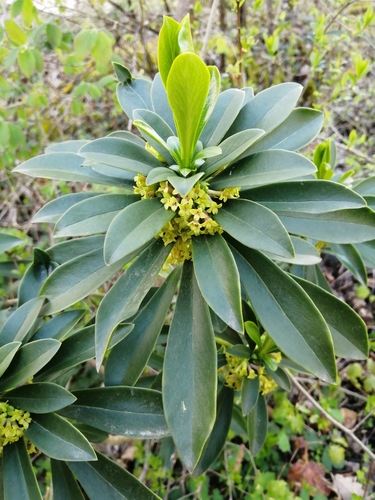
The yerba buena is a low-growing, mat-forming plant with small, roundish to oval, bright green leaves. Its tiny, funnel-shaped flowers are typically white or pale lavender, often appearing in clusters where the leaves meet the stem. It creates a lush, spreading carpet of greenery.
Category
PlantsRarity
Common
Danger
1/5 · Very low
Snaps
1
Crush its leaves and you'll discover a refreshing scent, like mint candy!
It's an evergreen plant, meaning it stays green all year long, even in winter!
Native Americans have used this plant for centuries in traditional medicines.
Rubbing its leaves on bug bites can help soothe the itch and sting away.
Yerba buena can spread its stems along the ground, taking root as it goes, which helps it quickly colonize new areas.
This plant has aromatic leaves that release a minty fragrance, helping to deter some plant-eating pests and protect itself.
Yerba buena has adaptations that allow it to endure periods of dryness, helping it survive in less consistent watering conditions.
Apis mellifera
Collects nectar and pollen from flowers.

Bombus vosnesenskii
Important native pollinator of its flowers.
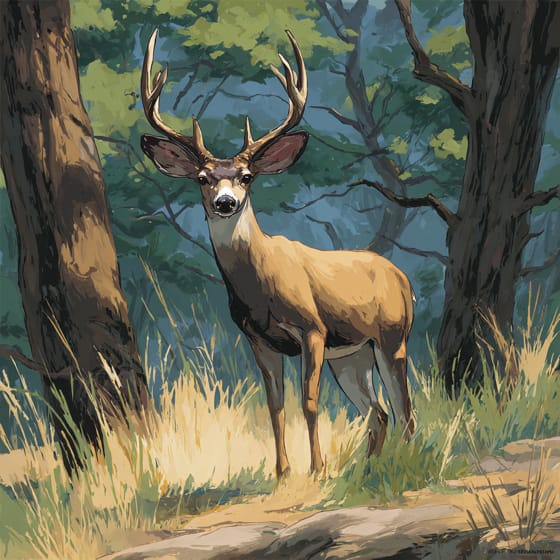
Odocoileus hemionus
Browses on the leaves and stems occasionally.

Sylvilagus bachmani
Feeds on the foliage when other food is scarce.
Aromatic plants produce and emit fragrant volatile organic compounds, often for defense or to attract pollinators.
Flowering plants are any plants that produce flowers as part of their reproductive cycle.
Shade tolerant plants are adapted to grow and thrive in areas with low light levels, requiring less direct sunlight.
Evergreen plants retain their foliage throughout the year, never shedding all their leaves at once.

Fragrant flowers emit a pleasant aroma, often to attract pollinators or for defense.

Medicinal plants possess chemical compounds that can be used for therapeutic purposes to treat illnesses or maintain health.

Edible plants are those parts of a plant that are considered safe for human consumption.

Describes plants that are particularly attractive and beneficial to a wide range of pollinating organisms.

This human use trait indicates species from which spices are derived, used for flavoring, preserving food, or as aromatic agents.

This habitat trait indicates species that can coexist with humans in urban and suburban environments, utilizing man-made structures and green spaces.
Danger
1/5 · Very low
Always ask an adult before touching or tasting plants.
The easiest way to identify yerba buena is to use the Snappit nature identifier app.
10-30 cm
30-100 cm
0.3-0.8 cm
Late spring to early fall
Yes
None
Perennial
Zoom in to split clusters and explore where this object has been snapped.
Take the discovery with you
Snap it with Snappit to identify it, learn what makes it special, and add the discovery to your collection.









.jpg&width=800)


_001.jpg&width=800)

