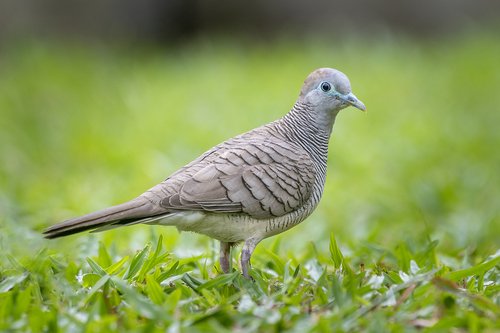


Zebra Dove
geopelia striata
The Zebra Dove (Geopelia striata) is a small, slender bird celebrated for its gentle disposition and melodious, soft cooing calls. Native to Southeast Asia, its pleasant vocalizations have made it a highly prized cage bird in many cultures, leading to its widespread introduction in areas like Hawaii, the Seychelles, and Madagascar. Characterized by the striking striped plumage that gives the species its name, this peaceful dove is a familiar sight in parks, gardens, and open agricultural landscapes where it delicately forages for seeds on the bare ground. Unlike many shy bird species, the Zebra Dove has adapted incredibly well to human presence. It often displays a remarkable tameness, happily walking along footpaths and lawns. Its tranquil presence and soothing songs make it a beloved resident wherever it is found, seamlessly bridging the gap between urban environments and the natural world.
Habitat: Found in open scrublands, farmlands, and woodland edges, often foraging on bare ground or short grass.
Measuring about 20 to 23 centimeters in length, the Zebra Dove is a diminutive and slender bird with a relatively long, narrow tail. Its upperparts are a muted brownish-grey, while the face, throat, and underparts carry a soft pinkish or buff hue. The defining feature of the species is the intricate black-and-white barring—resembling zebra stripes—that heavily marks the sides of its neck, breast, and flanks. Its short beak is a pale blue-grey, and its small legs are a dark reddish-pink. In flight, the tail reveals prominent white tips on the outer feathers, and the wings beat with rapid, fluttering motions.
Category
BirdsRarity
Common
Danger
1/5 · Very low
Snaps
8
Both male and female Zebra Doves produce a nutrient-rich, cheese-like substance called 'crop milk' to feed their chicks during the first few days of life.
In Hawaii, the Zebra Dove was introduced in 1922 and has since become one of the most abundant and recognizable urban birds on the islands, affectionately known locally as the 'shaka bird'.
In Thailand and Indonesia, Zebra Doves are so prized for their singing that there are massive, specialized competitions where thousands of birds are judged on the pitch, rhythm, and melody of their coos.
When drinking, Zebra Doves—like other pigeons and doves—use their beaks like a straw to suck up water continuously, rather than scooping it and tilting their heads back like most birds.
They possess a distinctively high-pitched, staccato cooing song that is so highly valued in parts of Southeast Asia that they are regularly entered into specialized singing competitions.
When startled by predators, they can launch into an almost vertical, rapid flight accompanied by a distinct whistling sound created by air rushing through their wing feathers.
To regulate their body temperature and maintain feather health, they frequently engage in sunbathing by lying flat on the ground with one wing fully extended to absorb the sun's rays.
Zebra Doves are primarily ground-feeding granivores, sustaining themselves almost entirely on small grass and weed seeds.
Age differences: Nestlings are fed a highly nutritious secretion called 'crop milk' by both parents before transitioning to a solid seed diet.
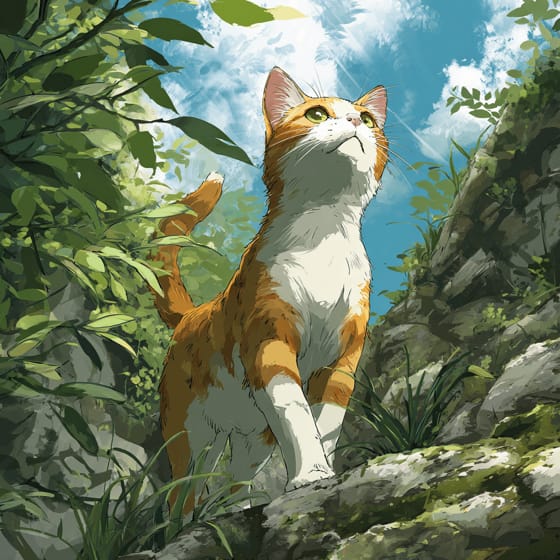
Felis catus
Feral and domestic cats are a major predator of these ground-foraging doves in urban and suburban environments.
Spilopelia chinensis
Shares similar ground-foraging habitats and competes for seed resources in both its native and introduced ranges.
Avipoxvirus
Frequently affected by avian pox, a viral infection transmitted by mosquitoes that causes warty growths.
No trait badges are assigned for this object yet.
No aliases listed yet.
Collections for this object will appear here as more themes are added.
Danger
1/5 · Very low
No special safety notes yet.
The easiest way to identify Zebra Dove is to use the Snappit nature identifier app.
20-23 cm
24-26 cm
0.04-0.06 kg
5-10 years
45 km/h
Zebra Doves are primarily ground-feeding granivores, sustaining themselves almost entirely on small grass and weed seeds.
Found in open scrublands, farmlands, and woodland edges, often foraging on bare ground or short grass.
Zoom in to split clusters and explore where this object has been snapped.

Hawaii, US
You might spot Brown Anole, Gold Dust Day Gecko, and Red-Crested Cardinal.
View guide →

Hawaii, US
You might spot Gold Dust Day Gecko, Yellow Tang, and Black Triggerfish.
View guide →

Hawaii, US
You might spot Gold Dust Day Gecko, Yellow Tang, and Saffron Finch.
View guide →

Hawaii, US
You might spot Hawaiian Garden Spider, Beach Naupaka, and Black Noddy.
View guide →

US
You might spot Brown Anole, Zebra Dove, and Red-Crested Cardinal.
View guide →

Hawaii, US
You might spot Koster's Curse and White-Rumped Shama.
View guide →
Take the discovery with you
Snap it with Snappit to identify it, learn what makes it special, and add the discovery to your collection.








.jpg&width=800)









