





Peck's Skipper
Polites peckius
Peck's Skipper is a small, brown butterfly that loves to flutter around flowers. They are quick and can be seen dancing in the air on sunny days.
Habitat: Grasslands
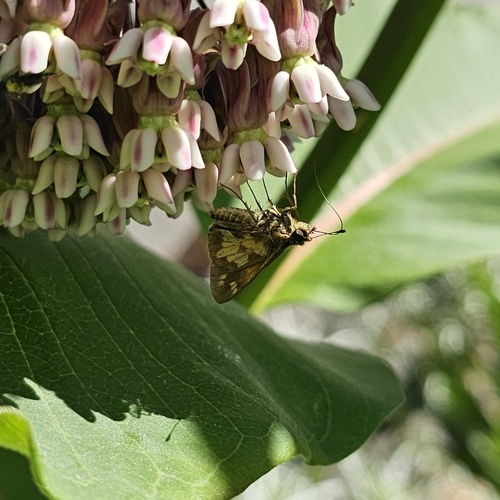
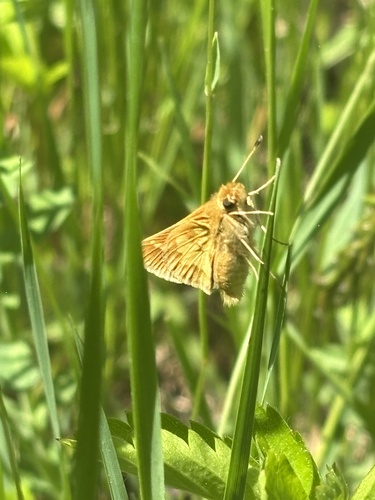
The Peck's Skipper is a small, stout-bodied butterfly with a rusty orange-brown upperside and distinctive black markings. Males have a prominent black scent patch (stigma) on their forewings. Its hindwings feature a unique row of pale, square-like spots on the underside, setting it apart.
Category
InsectsRarity
Common
Danger
1/5 · Very low
Snaps
27
Wow! Early scientists sometimes mistook these fast-flying insects for bees!
Wow! Its caterpillar eats grass, but the adult Peck's Skipper sips flower nectar!
Wow! Skippers are often considered a mix between a butterfly and a moth!
Wow! The antennae of a Peck's Skipper have a tiny hook at the very end!
Peck's Skipper can fly in quick, erratic darting movements, making them incredibly difficult for predators to catch.
Peck's Skipper has a body shape and coloration that helps them blend perfectly into tall grasses, hiding from hungry birds.
Peck's Skipper has a long, coiled proboscis that helps them reach deep inside flowers to drink sugary nectar.
Adult Peck's Skippers drink sweet nectar from flowers, while their caterpillars munch on grass.
Age differences: Larvae eat grasses, while adults feed on flower nectar.

Trifolium repens
Adults visit clover flowers for nectar.

Asclepias syriaca
Skippers help pollinate milkweed plants.
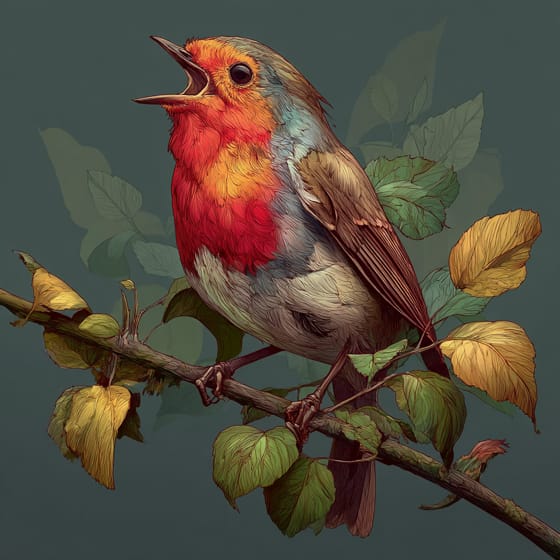
Turdus migratorius
Robins are common predators of adult butterflies.
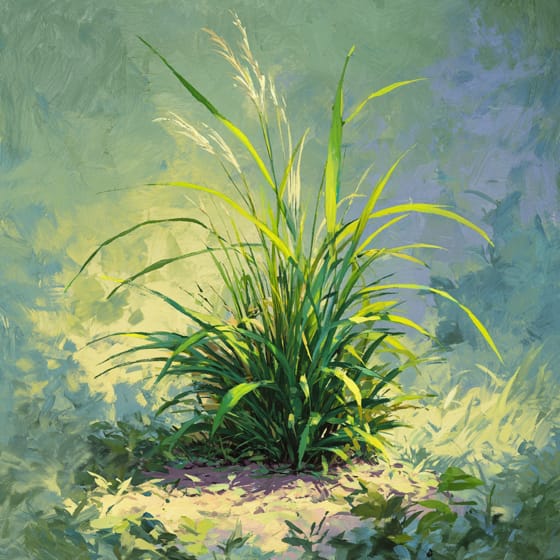
Poa pratensis
Caterpillars feed on leaves of various grasses.
Camouflaged describes organisms that possess coloring or patterns that allow them to blend into their environment.
Grassland habitats are terrestrial biomes dominated by grasses and herbaceous plants, supporting a variety of grazing animals.
This trait characterizes organisms whose diet consists entirely or primarily of plant material.
Describes plants that are particularly attractive and beneficial to a wide range of pollinating organisms.

Diurnal animals are primarily active during daylight hours, typically resting or sleeping at night.

This trait identifies organisms that exhibit exceptional swiftness in movement for hunting, escape, or travel.

Describes organisms that transfer pollen, enabling the fertilization and reproduction of plants.
No aliases listed yet.
Danger
1/5 · Very low
Butterflies are friendly and gentle, but it's best to watch them from a distance.
The easiest way to identify Peck's Skipper is to use the Snappit nature identifier app.
25-35 mm
10-15 mm
14-30 days
20 km/h
Adult Peck's Skippers drink sweet nectar from flowers, while their caterpillars munch on grass.
Grasslands
Foraging
Zoom in to split clusters and explore where this object has been snapped.
Jun 16, 2026
Rockdale Common Housing DistrictPhoto attribution
(c) Betsy Lambert, some rights reserved (CC BY)
License: CC BY 4.0 ↗
Image may be shown cropped inside the card frame.
Jun 4, 2026
Brattleboro Downtown Historic DistrictPhoto attribution
(c) kevinhemeon, some rights reserved (CC BY)
License: CC BY 4.0 ↗
Image may be shown cropped inside the card frame.

Michigan, US
You might spot Eastern Gray Squirrel, Tree-Of-Heaven, and House Sparrow.
View guide →

Vermont, US
You might spot Asian Bittersweet, Alder Buckthorn, and Eastern Newt.
View guide →

Connecticut, US
You might spot American Robin, Eastern Poison Ivy, and Duck.
View guide →

Colorado, US
You might spot Eastern Fox Squirrel, Bee, and Duck.
View guide →

Vermont, US
You might spot Northern Cardinal, Wood Frog, and White-Breasted Nuthatch.
View guide →

Ohio, US
You might spot Blue-Ringed Dancer, Bee, and American Rubyspot.
View guide →
Take the discovery with you
Snap it with Snappit to identify it, learn what makes it special, and add the discovery to your collection.






.jpg&width=800)




