


Sea Star

Discover the wonders of Southern California's marine life up close at the Cabrillo Marine Aquarium.
Discover the wonders of Southern California's marine life up close at the Cabrillo Marine Aquarium. Situated beautifully adjacent to Cabrillo Beach Coastal Park in San Pedro, this public aquarium stands out for its dedicated focus on the local marine environment, offering accessible, science-based education that inspires understanding and protection of our oceans. It serves as a vital resource for both community members and visitors, providing a unique blend of interactive exhibits and educational programs centered around the rich biodiversity of Southern California's waters.
Explore a diverse array of local habitats, from the bustling rocky shores and serene sandy beaches to nutrient-rich kelp forests and mysterious open ocean ecosystems, all housed within the Susanne Lawrenz-Miller Exhibit Hall. Key exhibits include the engaging Tidepool Habitat touch tank, where visitors can gently interact with sea stars and prickly urchins, and the dynamic Kelp Forest, home to creatures like kelp bass and garibaldi. Don't miss the Jelly Lab's delicate moon jellies, the Aquatic Nursery showcasing marine life research, or the interactive Exploration Center, which allows you to crawl beneath a tank to experience marine life from a unique perspective.
A visit to the Cabrillo Marine Aquarium is more than just observing; it's an invitation to connect with the ocean. With its emphasis on hands-on learning and interactive displays, the aquarium offers a memorable experience for all ages, fostering a deeper appreciation for conservation. Its intimate scale, combined with educational programs and its proximity to natural tide pools, makes it a truly special destination for anyone eager to learn about and protect Southern California's precious marine heritage. Be ready to snap and learn! Get the Snappit app to identify any nature species you find here.
The Cabrillo Marine Aquarium's roots trace back to 1935, beginning as a modest collection of marine specimens housed in the Cabrillo Beach Bathhouse. Its popularity grew significantly under the directorship of John Olguin, who began giving impromptu tours to school groups and initiated the now-famous evening programs for viewing grunion mating practices on the beach. In 1981, the aquarium moved into a new, purpose-built facility designed by the renowned architect Frank Gehry, featuring a distinctive semi-industrial design that incorporated chain link to evoke the area's fishing and dockworking heritage. The institution, originally known as the Cabrillo Marine Museum, changed its name to Cabrillo Marine Aquarium in 1993 to better reflect its living collections. Further expansions, including an Exploration Center, Aquatic Nursery, and research library, were completed in 2004, continuing its evolution as a leader in marine science education.
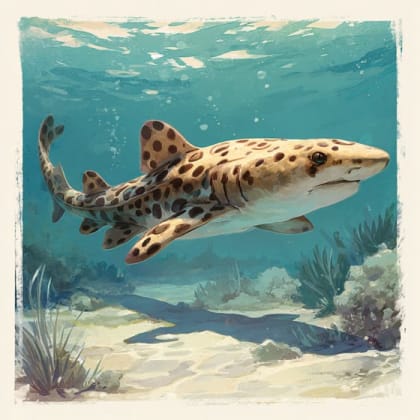
Engage with the interactive touch tanks, observe sharks and rays, explore the jellyfish exhibits, and learn about local marine conservation. Consider a guided walk to the natural tide pools during low tide or attend special seasonal events like the Grunion Runs.
Spring/Summer (March-July): Best for Grunion Run events, where you can witness these unique fish spawning on the beach.
Winter (December-March): Opportunities for whale watching, often accompanied by educational programs.
Year-round: Check local tide tables to experience the nearby natural tide pools at their best during low tide.
The aquarium is fully accessible and located on one level, with benches throughout the courtyard. Accessible restrooms and a gender-neutral restroom are available. Two beach wheelchairs can be requested for use on a first-come, first-served basis. ASL interpreters can be provided with advanced notice. The aquarium is also KultureCity certified, offering sensory bags with noise-canceling headphones and fidget tools for visitors with sensory sensitivities.
A popular touch tank offering hands-on interaction with sea stars and urchins.
An impressive exhibit showcasing the vibrant life within Southern California's kelp forests, including kelp bass and garibaldi.
Observe ongoing research and conservation efforts, and see young marine life.
Engage with interactive displays, including a crawl-under tank for an immersive view of marine creatures.
Each card links to a full Explore page with photos, traits, and fun facts.
Start with the big picture, then zoom in to explore individual wildlife observations around this place.
Check the Tide Tables
Enhance your visit by checking the local tide tables for Cabrillo Beach. Low tide is the best time to explore the natural tide pools located just outside the aquarium.
Budget for Parking
There is a public, fee-based parking lot on-site. Parking costs $1 per hour.
Pack a Picnic
While the aquarium does not sell food, there are picnic tables and BBQ facilities nearby on Cabrillo Beach. Consider bringing your own snacks or lunch to enjoy in the adjacent coastal park.
Explore the Coastal Park
Don't limit your visit to the aquarium's indoor exhibits. The Cabrillo Coastal Park offers walking trails, the salt marsh, and additional opportunities for birdwatching and observing marine life.
Inquire About Programs
Check the aquarium's schedule for special programs, such as Grunion Runs (seasonal), feeding demonstrations, or guided tidepool walks, which offer unique insights and experiences.
Utilize Accessibility Resources
If you or a family member has accessibility needs, take advantage of the available beach wheelchairs or inquire about sensory bags provided by the KultureCity certification.
Jun 5, 2026
Jun 5, 2026
Jun 4, 2026
Jun 4, 2026
Jun 3, 2026

Michigan, US
You might spot African Lion, Komodo Dragon, and Brown Bear.
View guide →

Municipal District of Cobh, IE
You might spot Ring-Tailed Lemur, Giraffes, and Cheetahs.
View guide →

Nouvelle-Aquitaine, FR
You might spot Greater Flamingo, Giraffes, and Red Panda.
View guide →

Texas, US
You might spot Giraffes, African Lion, and Eastern Black Rhinoceros.
View guide →
Take the discovery with you
Identify the wildlife you spot, learn as you go, and keep a collection of the adventure.