Western Fence Lizard

The California Botanic Garden is the largest botanical garden dedicated exclusively to California's native plants.
The California Botanic Garden is the largest botanical garden dedicated exclusively to California's native plants. This living museum in Claremont, California, spanning 86 acres, offers a unique opportunity to explore the Golden State's diverse flora. It's a sanctuary for approximately 70,000 native Californian plants, representing 2,000 native species, hybrids, and cultivars, making it a vital institution for conservation and education.
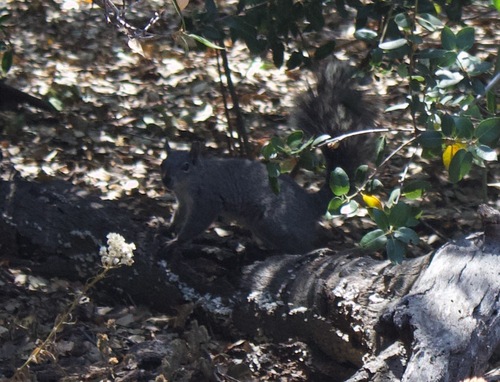
Visitors can wander through various naturalistic habitats like oak woodlands, chaparral, coastal sage scrub, and even a small grove of coast redwoods, showcasing the incredible range of California's ecosystems. The garden features themed areas such as the California Cultivar Garden, and displays iconic native plants like the majestic 250-year-old Coast Live Oak. These carefully curated environments not only educate but also provide habitat for native wildlife, from chattering squirrels and diverse bird species to occasional coyotes and bobcats.
More than just a beautiful landscape, the California Botanic Garden is an immersive experience that connects people with the natural heritage of California, inspiring an appreciation for its unique ecosystems. With engaging public programs, events, and educational initiatives, it's a memorable destination for anyone interested in botany, conservation, or simply enjoying the serene beauty of California's native plants. Planning to visit? Download the Snappit app to identify the wildlife you spot in real-time.
The California Botanic Garden originated in 1927 when Susanna Bixby Bryant established a native garden on her rancho in Orange County. Following a devastating fire in 1943 and Bryant's passing in 1946, the garden relocated to Claremont in 1951. Philip A. Munz, the subsequent director, championed this move to enhance the garden's accessibility, foster graduate-level research, and promote the growth of new native plant varieties. For 58 years after its move to Claremont, the garden, run by a non-profit organization, offered free admission to the public; however, an admission fee was introduced in 2009. In 2019, the institution, formerly known as Rancho Santa Ana Botanic Garden, was officially renamed "California Botanic Garden" to better reflect the extensive scope and focus of its collections. The garden also houses a significant herbarium, which is the 10th largest in North America, and a botanical library, underscoring its commitment to research and education.
Walk the extensive trails to experience various habitats, attend guided tours or bird walks, and look for native wildlife like squirrels and diverse bird species. Engage with seasonal events like Luminaria Nights in December or the annual October "Things That Go Bump in the Night" for family-friendly nocturnal exploration.
Spring: Peak bloom for many wildflowers and chaparral species.
Summer: Enjoy longer daylight hours, but be prepared for heat. Some plants, like California fuchsia and California goldenrod, bloom in summer. Early mornings or late afternoons are preferable.
Fall: Cooler temperatures, fall foliage, and late-blooming plants like California goldenrod provide continued interest.
Winter: Enjoy the serenity of the garden, with evergreens and some winter-blooming species. Luminaria Nights offer festive illumination in December.
Most buildings and garden areas are accessible to visitors with limited mobility. The Administrative Building (first floor), California Courtyard, classrooms, and specific garden venues (like the Container Garden and California Cultivar Garden) are wheelchair accessible. The main entrance is accessible, and reserved parking for mobility-impaired visitors is available. However, some paths are unpaved, uneven, or have steps and grades, so visitors should review the garden map to plan their route.
Explore distinct California plant communities such as chaparral, coastal sage scrub, oak woodland, and redwood forests. Look for the majestic 250-year-old Coast Live Oak and the California Cultivar Garden. The Grow Native Nursery is also a highlight, open from October to June.
Each card links to a full Explore page with photos, traits, and fun facts.
Start with the big picture, then zoom in to explore individual wildlife observations around this place.
Wear comfortable shoes
The garden covers 86 acres with many trails, some unpaved and uneven, so comfortable walking shoes are essential.
Check seasonal hours and events
Garden hours change seasonally, and special events like Luminaria Nights or bird walks might enhance your visit.
Bring water and sun protection
Especially during warmer months, staying hydrated is important. Hats, sunscreen, and sunglasses are recommended.
Explore the Grow Native Nursery
If you're inspired by the native plants, visit the nursery (open October-June) to purchase California native plants for your own garden.
Utilize the garden map
Pick up a map at the entrance to help navigate the extensive grounds and identify specific plant communities or points of interest.
Consider a membership
If you plan multiple visits or wish to support the garden's mission, a membership often includes benefits like free admission and discounts.
May 23, 2026
Photo attribution
(c) Ashley O, some rights reserved (CC BY)
License: CC BY 4.0 ↗
Image may be shown cropped inside the card frame.
May 23, 2026
Photo attribution
(c) Ashley O, some rights reserved (CC BY)
License: CC BY 4.0 ↗
Image may be shown cropped inside the card frame.
Jun 2, 2026
Jun 2, 2026
Jun 2, 2026

Maryland, US
You might spot White-Tailed Deer and Eastern Gray Squirrel.
View guide →
.jpg)
District of Columbia, US
You might spot Eastern Gray Squirrel, Duck, and House Sparrow.
View guide →

Illinois, US
You might spot American Robin, Canada Goose, and House Sparrow.
View guide →

Virginia, US
You might spot Spotted Lanternfly and Northern Cardinal.
View guide →
Take the discovery with you
Identify the wildlife you spot, learn as you go, and keep a collection of the adventure.