





Six-spotted Tiger Beetle
Cicindela sexguttata
The Six-spotted Tiger Beetle is a shiny, fast insect that loves to run around on the ground. It has six spots on its back and is known for its speed and bright colors!
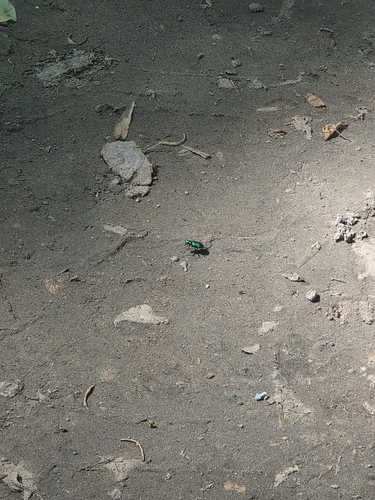
Habitat: Sandy areas
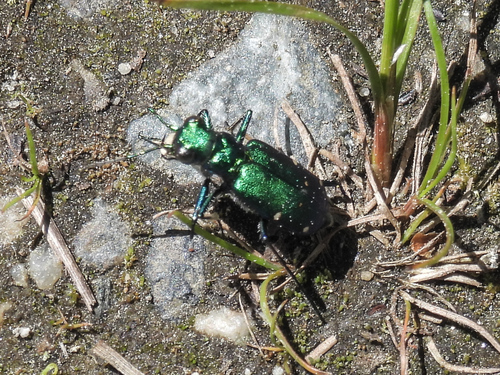
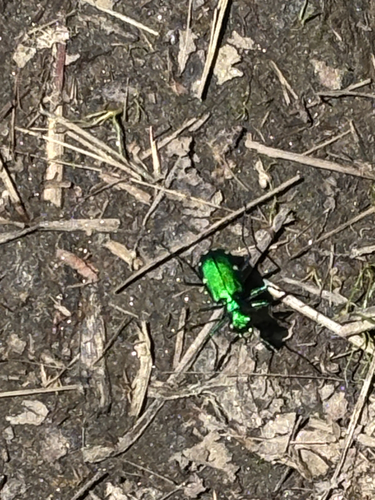
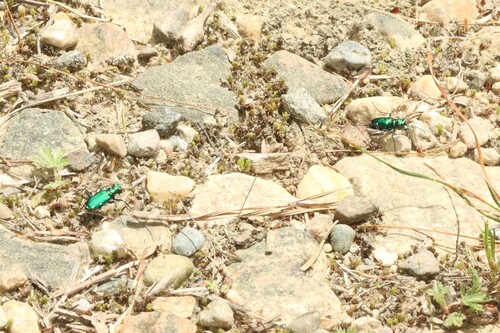
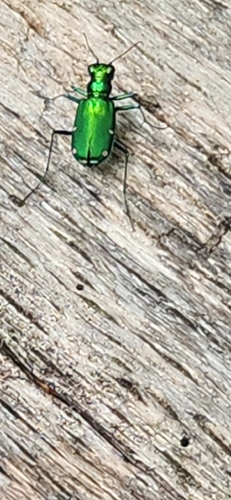
The Six-spotted Tiger Beetle has an iridescent, gleaming metallic green to blue-green body, making it stand out like a tiny jewel. It features long, slender legs and large, prominent eyes. Its wing covers typically have three white spots on each side, totaling six, hence its name.
Category
InsectsRarity
Common
Danger
1/5 · Very low
Snaps
149
Some species taste so awful that birds learn to avoid them after just one unpleasant bite!
Their jaws are like tiny, super-fast pincers, snapping shut to catch food in an instant!
These beetles run so fast they temporarily can't see their prey, having to stop and reorient!
Tiger beetle larvae are hidden ambush hunters, waiting in burrows to grab unsuspecting prey.
Six-spotted Tiger Beetle can run at speeds up to 2.5 meters per second, allowing them to chase down swift insect prey.
Six-spotted Tiger Beetle has large, keen eyes that help them spot tiny prey movements from a distance.
Six-spotted Tiger Beetle has a shimmering metallic green exoskeleton that provides camouflage in sunny, leafy environments.
Six-spotted Tiger Beetle has powerful, sharp mandibles that can quickly snap shut to capture and devour prey.
Tiny predators, these beetles swiftly hunt and devour smaller insects they find.
Age differences: Larvae are ambush predators from burrows; adults actively pursue prey.

Formica fusca
as a common and protein-rich food source
Anolis carolinensis
as a swift, nutritious meal for lizards
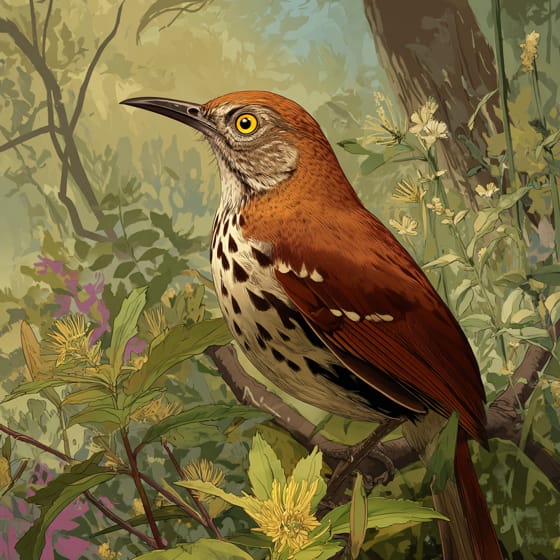
Toxostoma rufum
caught by birds seeking varied insect prey
Marked with spots or patches of a different color.
Colorful describes organisms or objects displaying a wide range of bright and distinct colors.
This trait identifies organisms whose diet primarily consists of insects and other small invertebrates.
This trait identifies organisms whose diet consists entirely or primarily of animal tissue.

Diurnal animals are primarily active during daylight hours, typically resting or sleeping at night.

This trait identifies organisms that exhibit exceptional swiftness in movement for hunting, escape, or travel.
No aliases listed yet.
Danger
1/5 · Very low
These beetles are safe to watch, but it's best to leave them alone in nature.
The easiest way to identify Six-spotted Tiger Beetle is to use the Snappit nature identifier app.
25-28 mm
12-14 mm
30-90 days
10 km/h
Tiny predators, these beetles swiftly hunt and devour smaller insects they find.
Sandy areas
Pursuit
Zoom in to split clusters and explore where this object has been snapped.
Jun 3, 2026
Lyman School for BoysPhoto attribution
no rights reserved
License: CC0 1.0 ↗
Image may be shown cropped inside the card frame.
Jun 1, 2026
North Conway stationPhoto attribution
(c) Sarah Courchesne, some rights reserved (CC BY)
License: CC BY 4.0 ↗
Image may be shown cropped inside the card frame.
May 29, 2026
Lowell Holly ReservationPhoto attribution
(c) Jake McCumber, some rights reserved (CC BY)
License: CC BY 4.0 ↗
Image may be shown cropped inside the card frame.
May 17, 2026
Blackbird State ForestPhoto attribution
(c) inbetweenbays, some rights reserved (CC BY)
License: CC BY 4.0 ↗
Image may be shown cropped inside the card frame.
May 17, 2026
Chopawamsic RDA Camp 2Photo attribution
(c) Adam Archie, some rights reserved (CC BY)
License: CC BY 4.0 ↗
Image may be shown cropped inside the card frame.

New Jersey, US
You might spot Garlic Mustard, Sensitive Fern, and Common Mugwort.
View guide →

Pennsylvania, US
You might spot Mountain Laurel, Ghost Pipe, and Sweetfern.
View guide →

Connecticut, US
You might spot Bold Jumping Spider and American Tuliptree.
View guide →

Massachusetts, US
You might spot Common Eastern Bumble Bee and Eastern Skunk Cabbage.
View guide →
Delaware, US
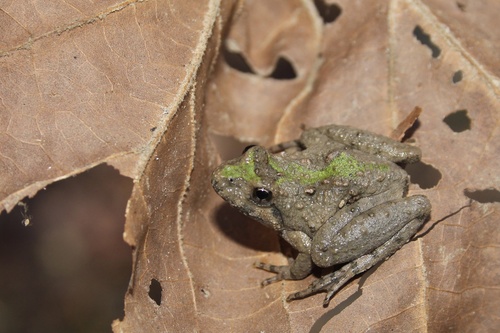
You might spot Northern Cricket Frog, Fan Clubmoss, and Fowler's Toad.
View guide →

District of Columbia, US
You might spot Eastern Gray Squirrel, Duck, and House Sparrow.
View guide →
Take the discovery with you
Snap it with Snappit to identify it, learn what makes it special, and add the discovery to your collection.








.jpg&width=800)



