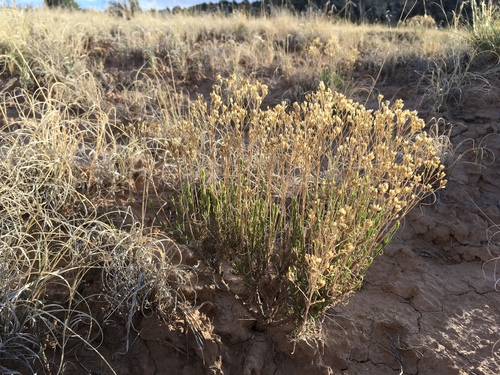
Common Side Blotched Lizard

Crow Canyon Archaeological District transports visitors to an ancient world etched in stone.
Crow Canyon Archaeological District transports visitors to an ancient world etched in stone.
Explore the Crow Canyon Archaeological District, a remote and captivating historic site in New Mexico's Rio Arriba County, offering an unparalleled glimpse into the rich cultural heritage of the Navajo and Ancestral Puebloan peoples. This expansive outdoor museum is nestled within the ancestral Dinétah region, a high desert landscape characterized by dramatic sandstone cliffs, deep canyons, and expansive mesas. It boasts one of the most extensive and well-preserved collections of 16th to 18th-century Navajo petroglyphs in the American Southwest, alongside older Ancestral Puebloan rock art.
Visitors can traverse uneven dirt trails to discover numerous rock art panels, featuring hundreds of intricate images of animals, human-like figures, supernatural beings, corn plants, and weaponry. Beyond the captivating petroglyphs, the district also preserves 18th-century Navajo defensive structures known as pueblitos, such as the notable Shaft House Pueblito, offering a tangible connection to the region's complex past. The juxtaposition of ancient art with the rugged natural beauty of the canyon creates a profound sense of discovery and reflection.
A visit to the Crow Canyon Archaeological District is an extraordinary adventure for those seeking to connect directly with the history and artistic expressions of Indigenous cultures. Its remote location ensures a tranquil and uncrowded experience, allowing for deep appreciation of the ancient art and the stunning, untouched New Mexico desert landscape. Prepare for a rugged, yet deeply rewarding, exploration of a truly special historical treasure. Be ready to snap and learn! Get the Snappit app to identify any nature species you find here.
The Crow Canyon Archaeological District lies within Dinétah, the traditional and ancestral homeland of the Navajo people. The rock art here dates primarily from the 16th to 18th centuries, showcasing the deep historical presence and artistic traditions of the Navajo. Interspersed with these are older, fainter petroglyphs attributed to the Ancestral Puebloan (Anasazi) people. In the 18th century, the district also became home to Navajo defensive structures called pueblitos. These structures were built during periods of conflict with Ute tribes and the onset of Spanish colonialism, and also served as refuge for Pueblo tribes fleeing the oppression following the Pueblo Revolt of 1680 and the Spanish Reconquest of 1692. The Crow Canyon Archaeological District was officially recognized for its historical significance and added to the National Register of Historic Places in 1974.
Hike the dirt trails to view the extensive petroglyph collections, deciphering the ancient symbols of animals, humans, and ceremonial scenes. Explore the remnants of pueblito structures. Enjoy the solitude and natural beauty of the canyon. Photography is highly recommended.
Roads can be extremely muddy and impassable after rain or during very dry, sandy conditions, particularly at Largo Wash. A high-clearance 4x4 vehicle is strongly recommended. Summers can be very hot and winters can be cold; be prepared for temperature extremes.
Access to the Crow Canyon Archaeological District is challenging. There is a dirt parking area and trailhead. While some sections of the trail are relatively level, visitors should expect uneven dirt paths, weeds, and sections requiring scrambling over rocks. It is not considered wheelchair accessible.
The numerous Navajo and Ancestral Puebloan petroglyph panels are the primary attraction, especially the "Main Panel" and "44 Panel" with their hundreds of images. Seek out the 18th-century Navajo pueblitos, which are defensive structures. The unique high desert landscape itself, with its sandstone formations, is also a significant highlight.
Each card links to a full Explore page with photos, traits, and fun facts.
Start with the big picture, then zoom in to explore individual wildlife observations around this place.
Vehicle Preparation
** A high-clearance, four-wheel drive vehicle is highly recommended due to the remote location and unpaved, potentially challenging roads, especially when crossing Largo Wash.
Check Conditions
Before your visit, inquire about current road conditions, particularly for Largo Wash, as it can become impassable after heavy rains or during very dry, sandy periods.
Come Prepared
Bring ample water, snacks, sun protection (hat, sunscreen), and sturdy hiking boots suitable for uneven and rocky terrain.
Respect the Art
Do NOT touch any petroglyphs. The natural oils from human skin can cause irreversible damage to the ancient rock art.
Stay on Trails
Where trails exist, stay on them to protect the fragile desert environment and avoid disturbing any undiscovered archaeological features.
Allow Time
Factor in extra time for travel to and from the remote site, as well as several hours for exploration on foot.
May 29, 2018
Photo attribution
no rights reserved
License: CC0 1.0 ↗
Image may be shown cropped inside the card frame.
May 30, 2025
Apr 12, 2025
Oct 27, 2024
May 16, 2024

Maryland, US
You might spot White-Tailed Deer and Eastern Gray Squirrel.
View guide →
.jpg)
District of Columbia, US
You might spot Eastern Gray Squirrel, Duck, and House Sparrow.
View guide →

Illinois, US
You might spot American Robin, Canada Goose, and House Sparrow.
View guide →

Virginia, US
You might spot Spotted Lanternfly and Northern Cardinal.
View guide →
Take the discovery with you
Identify the wildlife you spot, learn as you go, and keep a collection of the adventure.