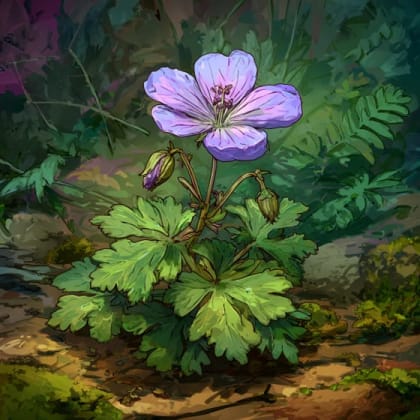





Cranesbill
G. Richard Thompson Wildlife Management Area offers a natural escape in Virginia's Blue Ridge Mountains.
This expansive 4,000-acre wildlife management area is a haven for outdoor enthusiasts, offering unparalleled opportunities for hiking, birdwatching, and experiencing spectacular wildflower displays against the scenic backdrop of the Blue Ridge Mountains. Just a short drive from Northern Virginia's urban centers, it provides a surprisingly remote and tranquil setting where nature thrives, making it one of the most popular public lands managed by the Virginia Department of Wildlife Resources.
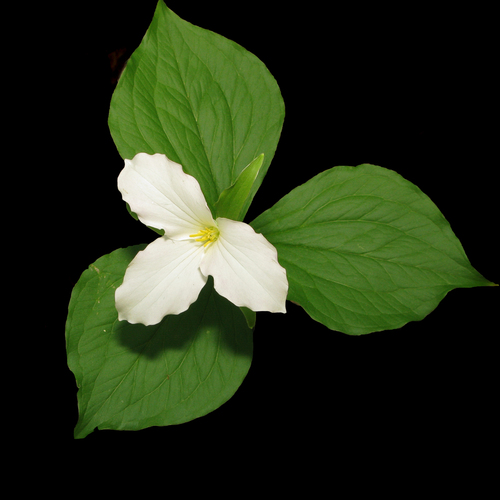
The WMA is particularly celebrated for its extraordinary spring ephemeral wildflowers, boasting an extensive stand of white trillium (Trillium grandiflorum) that carpets the forest floor, possibly the largest such display in Virginia or even the eastern United States. Beyond the trilliums, visitors can discover vibrant showy orchis, delicate yellow lady slippers, and lush Mayapple. The diverse habitats, ranging from hardwood forests to a 10-acre lake and ecologically unique spring seeps, also support a rich variety of birdlife, including striking species like the Scarlet Tanager and Cerulean Warbler, especially during spring and fall migrations.
Visiting G. Richard Thompson WMA offers an immersive natural experience, whether you're traversing a segment of the iconic Appalachian Trail that winds through its mountaintop sections, or seeking out the vibrant flora and fauna. It's a place where the grandeur of the mountains meets the intricate beauty of native ecosystems, providing memorable moments for photographers, naturalists, and anyone seeking solace in the wild. Turn your visit into a safari! Use the Snappit app to scan and log wildlife sightings here.
The G. Richard Thompson Wildlife Management Area holds a notable place in Virginia's conservation history. In 1990, a significant portion of the WMA was designated as the very first site on the Virginia Native Plant Society (VNPS) Registry. This pivotal designation came about through an agreement with the Virginia Department of Game and Inland Fisheries (now the Department of Wildlife Resources) to protect the area's exceptional diversity of native plants. This action was particularly crucial in safeguarding the renowned population of Trillium grandiflorum from a proposed logging project, ensuring the preservation of this unique botanical treasure for future generations.
Hiking on well-defined trails, primitive camping, fishing, hunting (in season), horseback riding, and wildlife photography. Explore the varied terrain, from steep inclines to rock outcroppings and unique spring seeps.
Spring: Vibrant wildflower blooms (trilliums, Mayapples, showy orchis, yellow lady slippers) and peak bird migration.
Summer: Opportunities for fishing and observing dragonflies and butterflies around Thompson Lake.
Fall: Excellent for hawk migration viewing and enjoying the autumn colors of the hardwood forest.
Winter: Shorter daylight hours but still suitable for hiking; note that trails can be rugged and potentially wet.
Hunting Season: Occurs late November to the end of January for deer, turkey, and small game. Visitors should wear blaze orange for safety if visiting during these times.
The WMA has 11 designated parking areas and numerous well-defined trails and roads for foot access. However, trails are generally natural surface and can be rugged and hilly; it is not typically considered wheelchair accessible.
Witness one of the largest concentrations of Trillium grandiflorum, creating a breathtaking white carpet across the forest floor in spring.
Hike a scenic section of this famous long-distance trail that spans approximately seven miles through the WMA's mountaintop.
Look for a variety of woodland birds, especially colorful warblers like the Cerulean and Kentucky Warblers in spring, and migrating hawks in the fall.
A 10-acre lake offering fishing for trout (stocked annually), bass, catfish, and sunfish, as well as opportunities to spot dragonflies, damselflies, butterflies, and waterfowl.
Each card links to a full Explore page with photos, traits, and fun facts.
Start with the big picture, then zoom in to explore individual wildlife observations around this place.
Timing is Key for Wildflowers
Plan your visit for late April to mid-May to witness the breathtaking display of white trilliums and other spring ephemerals.
Dress for Safety During Hunting Season
If visiting between late November and January, wear blaze orange clothing to be visible to hunters, or consider visiting on Sundays when hunting is not permitted.
Secure Your Access Permit
Ensure you have the required access permit, a valid Virginia hunting/fishing license, or boat registration if you are 17 or older. You can typically purchase permits online through the Virginia Department of Wildlife Resources.
Prepare for Rugged Trails
Wear sturdy, waterproof hiking boots, as many trails are natural surface, can be steep, and may be wet or muddy, especially in spring.
Download Maps in Advance
Cell phone reception can be spotty within the WMA, so download or print maps of the area and trails before your visit.
Pack Essentials
Bring water, snacks, binoculars for birdwatching, and a camera to capture the stunning wildflowers and wildlife. Be prepared for primitive conditions, as amenities are limited.
Jun 7, 2026
Jun 6, 2026
Jun 6, 2026
Jun 6, 2026
Jun 6, 2026

Maryland, US
You might spot White-Tailed Deer and Eastern Gray Squirrel.
View guide →
.jpg)
District of Columbia, US
You might spot Eastern Gray Squirrel, Duck, and House Sparrow.
View guide →

Illinois, US
You might spot American Robin, Canada Goose, and House Sparrow.
View guide →

Virginia, US
You might spot Spotted Lanternfly and Northern Cardinal.
View guide →
Take the discovery with you
Identify the wildlife you spot, learn as you go, and keep a collection of the adventure.