





mayapple
Podophyllum peltatum
Mayapple is a fun plant that grows in shady forests. It has big, umbrella-like leaves and produces a yellow fruit that looks like a little apple. But be careful, not all parts of the plant are safe to eat!
Habitat: Forests
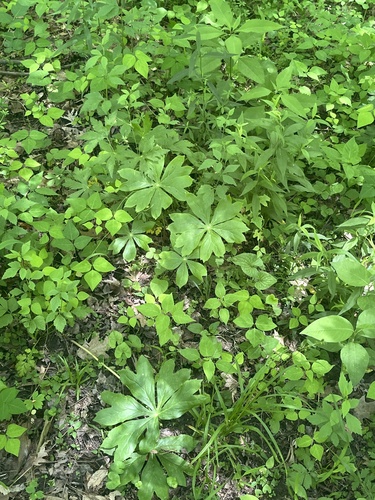
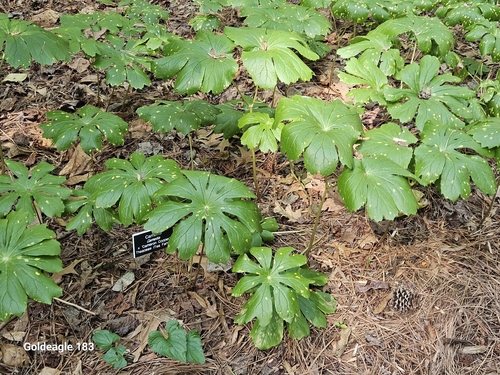
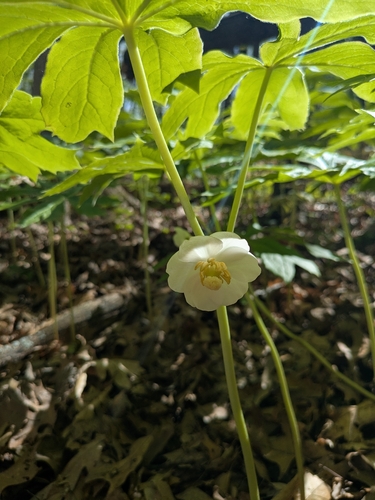
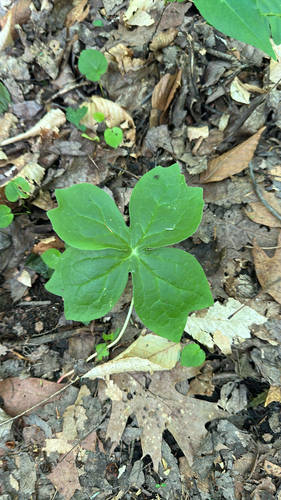
The mayapple has large, deeply lobed leaves that often look like tiny green umbrellas, usually two per flowering stem. A single white or pale yellow flower is tucked underneath these distinctive leaves, later developing into a small, lemon-yellow fruit.
Category
PlantsRarity
Common
Danger
2/5 · Low
Snaps
156
Indigenous peoples traditionally used mayapple for various medicinal purposes, especially its roots.
Its name comes from the apple-like fruit that ripens in late spring or early summer!
Mayapple leaves emerge rolled up like tiny cigars before unfurling into their signature umbrella shape.
Though most parts are toxic, some animals like box turtles safely enjoy the ripe, yellow fruits.
Mayapple has broad, umbrella-like leaves that shelter its flower and developing fruit from rain and direct sunlight.
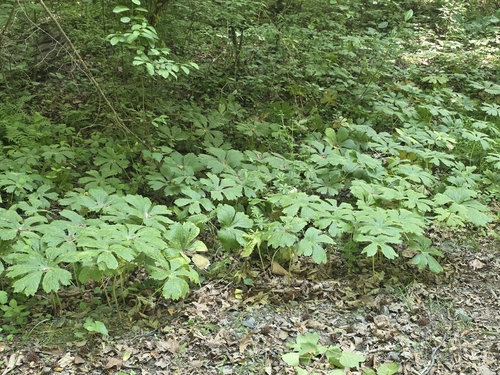
Mayapple can spread quickly using strong underground stems called rhizomes, forming large colonies across the forest floor.
Most parts of the mayapple plant are highly toxic, helping it to deter hungry herbivores from eating its leaves and roots.
Bombus impatiens
Helps fertilize the hidden flowers of mayapple.
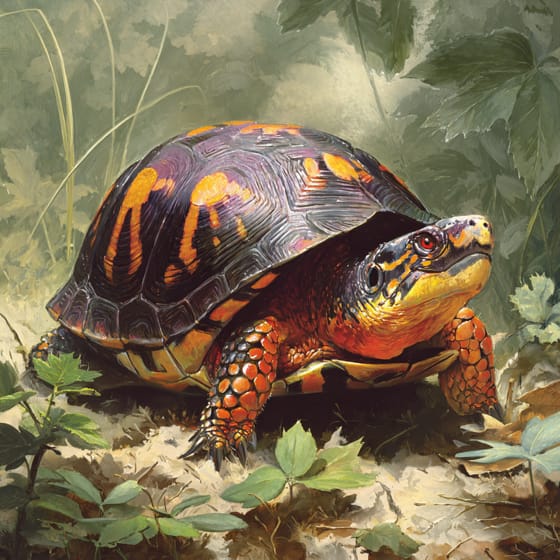
Terrapene carolina
Enjoys consuming the ripe, yellow mayapple fruits.
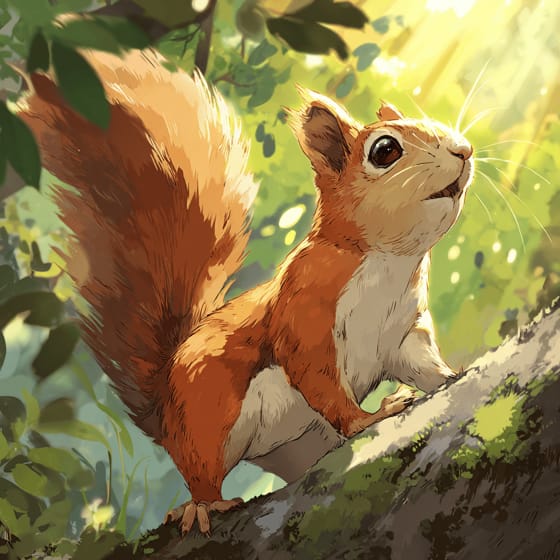
Sciurus carolinensis
May also eat the ripe, fallen fruits from the plant.
Deciduous plants periodically shed all their leaves, typically during autumn or dry seasons.
Flowering plants are any plants that produce flowers as part of their reproductive cycle.
Shade tolerant plants are adapted to grow and thrive in areas with low light levels, requiring less direct sunlight.
Spring blooming plants produce their flowers during the spring season, often signifying the end of winter and the start of new growth.

Broadleaf trees are angiosperms characterized by flat, wide leaves that are typically shed annually in temperate climates.

Fruit-bearing plants produce fruits, which are the mature ovaries of flowering plants containing seeds.

Medicinal plants possess chemical compounds that can be used for therapeutic purposes to treat illnesses or maintain health.

Edible plants are those parts of a plant that are considered safe for human consumption.

Forest habitats are terrestrial environments dominated by dense tree cover, supporting a high diversity of plant and animal life.
Danger
2/5 · Low
Do not eat any part of the plant except the ripe fruit, and always ask an adult before trying new foods.
The easiest way to identify mayapple is to use the Snappit nature identifier app.
30-45 cm
30-45 cm
3-5 cm
Spring
Yes
High
Perennial
Zoom in to split clusters and explore where this object has been snapped.
Jun 4, 2026
Ice Age TrailPhoto attribution
(c) Mike B, some rights reserved (CC BY-SA)
License: CC BY-SA 4.0 ↗
Image may be shown cropped inside the card frame.
May 17, 2026
Norfolk Botanical GardenPhoto attribution
(c) Gold eagle Kroll, some rights reserved (CC BY)
License: CC BY 4.0 ↗
Image may be shown cropped inside the card frame.
May 17, 2026
Blackbird State ForestPhoto attribution
(c) inbetweenbays, some rights reserved (CC BY)
License: CC BY 4.0 ↗
Image may be shown cropped inside the card frame.
May 16, 2026
Hidden Lake GardensPhoto attribution
no rights reserved
License: CC0 1.0 ↗
Image may be shown cropped inside the card frame.
May 8, 2026
Nuttallburg Coal Mining Complex and Town Historic DistrictPhoto attribution
(c) John Baur, some rights reserved (CC BY)
License: CC BY 4.0 ↗
Image may be shown cropped inside the card frame.

New Jersey, US
You might spot Garlic Mustard, Sensitive Fern, and Common Mugwort.
View guide →

Massachusetts, US
You might spot Maidenhair Spleenwort and Red Trillium.
View guide →

Connecticut, US
You might spot Bold Jumping Spider and American Tuliptree.
View guide →
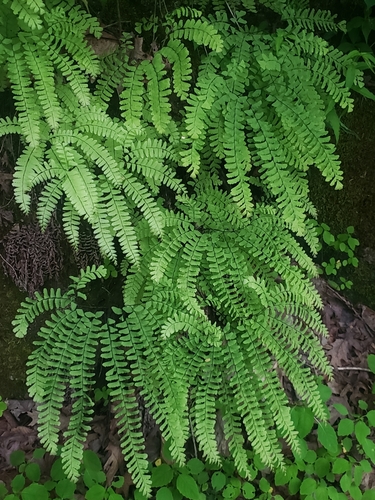
Iowa, US
You might spot Northern Maidenhair Fern and Wood Nettle.
View guide →
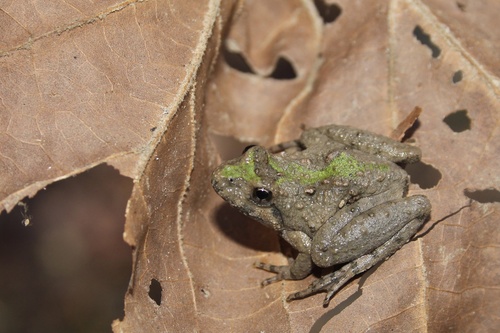
Delaware, US
You might spot Northern Cricket Frog, Fan Clubmoss, and Fowler's Toad.
View guide →

Ohio, US
You might spot Large White Trillium, Fire Pink, and Christmas Fern.
View guide →
Take the discovery with you
Snap it with Snappit to identify it, learn what makes it special, and add the discovery to your collection.






.jpg&width=800)


_001.jpg&width=800)


