_(9471470335).jpg&width=800)





Scarlet Globemallow
Sphaeralcea coccinea
The Scarlet Globemallow is a bright orange-red flower that blooms in warm weather. It grows in sunny places and attracts butterflies and bees, making gardens colorful and lively!
Habitat: Desert
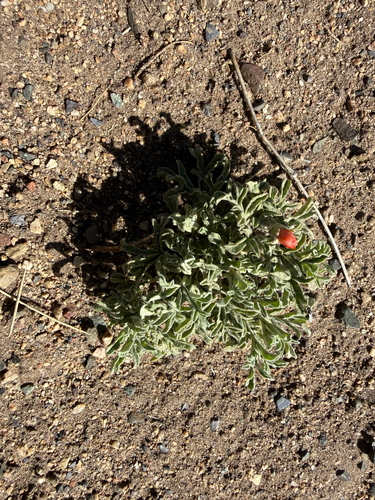
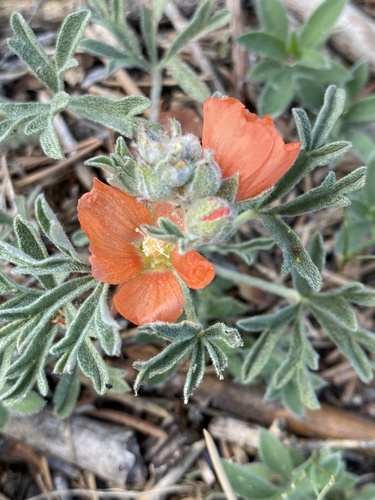
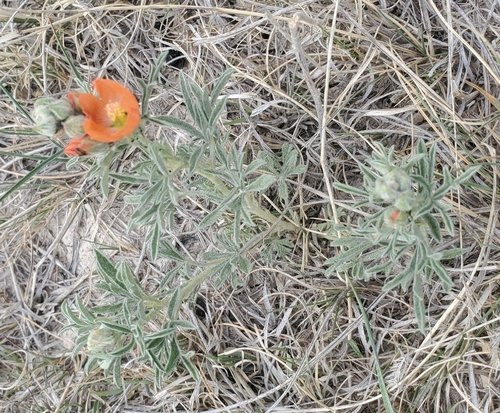
The Scarlet Globemallow has vibrant, cup-shaped flowers that bloom in fiery orange-red hues. Its grayish-green leaves are deeply lobed and covered in soft, star-shaped hairs, giving the plant a slightly fuzzy texture that makes it visually distinct.
Category
PlantsRarity
Common
Danger
1/5 · Very low
Snaps
17
Its flowers can be used to make a natural red-orange dye!
Native Americans used this plant for food and even to treat sore throats!
The unique star-shaped hairs on its leaves are amazing under a magnifying glass!
This plant is related to okra and cotton, both from the mallow family!
Scarlet Globemallow can grow a super-deep taproot that helps it find water deep underground and survive dry spells.
Scarlet Globemallow has soft, hairy leaves that help it trap moisture and protect itself from the hot sun and strong winds.
Scarlet Globemallow can produce intensely bright, orange-red flowers that help it attract pollinators from far across the open desert.
Scarlet Globemallow can thrive in poor, rocky soils that most other plants avoid, allowing it to grow where others can't.
Diadasia enavata
A specialist bee, highly dependent on mallow plants.
Bombus impatiens
Collects nectar and pollen from the bright flowers.
Vanessa cardui
Visits the vibrant flowers for nectar during migration.
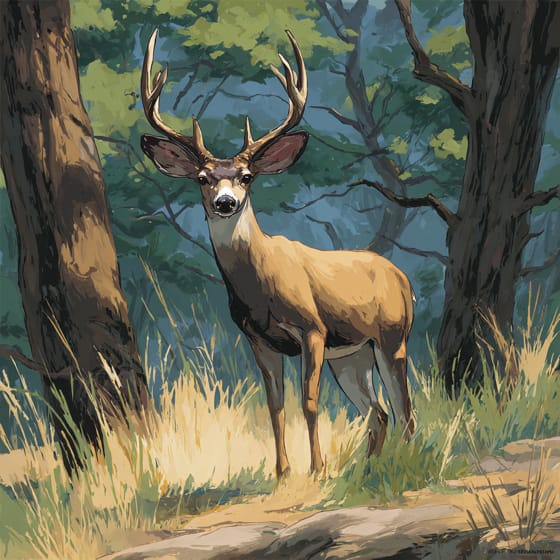
Odocoileus hemionus
May browse on the leaves and stems, especially new growth.
Flowering plants are any plants that produce flowers as part of their reproductive cycle.
A shrub is a woody plant smaller than a tree, typically with multiple stems branching from or near the ground.
Summer blooming plants produce their flowers during the summer season, often providing vibrant color when many other plants have finished.
Fragrant flowers emit a pleasant aroma, often to attract pollinators or for defense.

Drought-tolerant plants can survive and flourish in conditions with limited water availability.

Colorful describes organisms or objects displaying a wide range of bright and distinct colors.

Describes plants that are particularly attractive and beneficial to a wide range of pollinating organisms.

Desert habitats are arid regions characterized by extremely low precipitation and often extreme temperatures, supporting specialized flora and fauna.
No aliases listed yet.
Danger
1/5 · Very low
Always look but don't touch flowers without asking an adult, as some plants can be prickly.
The easiest way to identify Scarlet Globemallow is to use the Snappit nature identifier app.
15-60 cm
30-90 cm
2-4 cm
Late spring to fall
Yes
None
Perennial
Zoom in to split clusters and explore where this object has been snapped.
May 28, 2026
Great Sand Dunes National Park and PreservePhoto attribution
(c) Coryn Fox Corvus, some rights reserved (CC BY)
License: CC BY 4.0 ↗
Image may be shown cropped inside the card frame.
May 24, 2026
Cheyenne Botanic GardensPhoto attribution
(c) Harry Podschwit, some rights reserved (CC BY)
License: CC BY 4.0 ↗
Image may be shown cropped inside the card frame.
May 14, 2026
Toadstool Geologic ParkPhoto attribution
(c) hr_dragonfly, some rights reserved (CC BY)
License: CC BY 4.0 ↗
Image may be shown cropped inside the card frame.

Colorado, US
You might spot Common Side-Blotched Lizard and Eastern Collared Lizard.
View guide →

Colorado, US
You might spot Common Starlily and Wholeleaf Paintbrush.
View guide →

Nebraska, US
You might spot Lark Sparrow, Rock Wren, and Scarlet Globemallow.
View guide →

Colorado, US
You might spot African Penguin, Red Panda, and African Lion.
View guide →

North Dakota, US
You might spot African Lion, Tiger, and Reticulated Giraffe.
View guide →

Wyoming, US
You might spot Hunt's Bumble Bee and Two-Spotted Bumble Bee.
View guide →
Take the discovery with you
Snap it with Snappit to identify it, learn what makes it special, and add the discovery to your collection.








.jpg&width=800)


_001.jpg&width=800)




