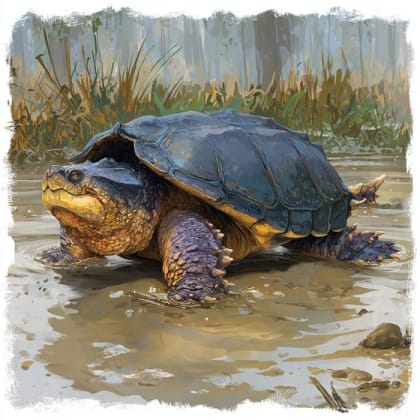
Painted Turtle

The Indian Hill Avenue Historic District offers a journey through Connecticut's rich past.
The Indian Hill Avenue Historic District offers a journey through Connecticut's rich past.
This distinctive historic district in Portland, Connecticut, encapsulates centuries of human activity, from prehistoric Native American settlements to an 18th-century colonial shipbuilding village. Listed on the National Register of Historic Places, it offers a tangible connection to the region's diverse heritage, nestled along the scenic Connecticut River. It's a special place where the echoes of early American life blend with the timeless beauty of the landscape.
Visitors can explore a remarkable collection of 18th and early 19th-century buildings, showcasing vernacular architecture alongside more defined Greek Revival and Late Victorian styles, complete with intricate Carpenter Gothic, Stick style, and Eastlake trim. Significant structures include the Thomas Stevenson House (c. 1766) and the Abiel Cheney-George Lewis, Jr., House (c. 1785), offering insights into early colonial life and craftsmanship. The district also features remnants of its shipbuilding past, such as a wrecked wooden barge from around 1900, and is underlaid by extensive archaeological evidence of Native American occupation.
A visit to Indian Hill Avenue Historic District is an immersive experience, perfect for those seeking to connect with early American history and architectural splendor. It's a place where every step reveals a story, from the ingenuity of early settlers and shipbuilders to the enduring legacy of the Wangunk people. The district’s unique blend of historical layers, set against the backdrop of the Connecticut River, makes it a memorable destination for history buffs, architecture enthusiasts, and anyone interested in the foundational narratives of the United States. Explore the grounds like a pro—download the Snappit app to instantly identify animals and plants.
The Indian Hill Avenue Historic District holds a deeply layered history, beginning with its long-standing significance as a settlement area for the Wangunk Native American people for thousands of years. The area is rich in prehistoric archaeological artifacts, including projectile points and tools, and has documented Native American burial grounds. The land in the Indian Hill area was among the last tracts sold by the Wangunks in the mid-18th century, and descendants continue to visit. Following Native American occupation, the area transformed into an 18th-century colonial shipbuilding village along the Connecticut River. The houses along Indian Hill Avenue were inhabited by some of the earliest English settlers and later by ship carpenters, reflecting the area's prosperity as a commercial and shipbuilding center. The district was officially listed on the National Register of Historic Places in 1983, recognizing its profound historical and architectural significance.
Take a self-guided walking tour, photograph the historic architecture, ponder the lives of early settlers and Native Americans, and enjoy the tranquil riverfront scenery.
Spring: Blooming trees and gardens enhance the historic streetscape.
Summer: Lush greenery, but can be warm. Good for enjoying the river.
Fall: Spectacular fall foliage adds a picturesque quality to the historic homes and river setting.
Winter: A stark beauty, with bare trees offering clearer views of architectural details.
Indian Hill Avenue is a public street, generally accessible for walking. Sidewalk conditions may vary. As a district primarily consisting of private residences, interior access is not typically available.
Admire the concentration of historic homes, particularly the vernacular architecture.
Observe specific examples with their distinctive features like pediment effects, Carpenter Gothic, Stick style, and Eastlake trim.
These are among the oldest and most notable structures.
Located partly buried in the riverbank, this object connects to the district's shipbuilding past.
Each card links to a full Explore page with photos, traits, and fun facts.
Start with the big picture, then zoom in to explore individual wildlife observations around this place.
Wear comfortable shoes
The best way to experience the district is by walking its length to appreciate the various architectural styles and river views.
Bring a camera
The historic homes, architectural details, and scenic Connecticut River provide excellent photographic opportunities.
Respect private property
Remember that the historic houses are private residences. Please be mindful of residents' privacy.
Combine with local attractions
Portland offers other historical sites and natural areas; consider pairing your visit with other nearby points of interest.
Look for historical markers
While not abundant, any markers present can offer deeper insights into specific sites.
Jun 7, 2026
Jun 7, 2026
Jun 7, 2026
Jun 7, 2026
Jun 7, 2026

Maryland, US
You might spot White-Tailed Deer and Eastern Gray Squirrel.
View guide →
.jpg)
District of Columbia, US
You might spot Eastern Gray Squirrel, Duck, and House Sparrow.
View guide →

Illinois, US
You might spot American Robin, Canada Goose, and House Sparrow.
View guide →

Virginia, US
You might spot Spotted Lanternfly and Northern Cardinal.
View guide →
Take the discovery with you
Identify the wildlife you spot, learn as you go, and keep a collection of the adventure.